


Gallbladder: Nutrition for Digestive Balance
What Does the Gallbladder Do?
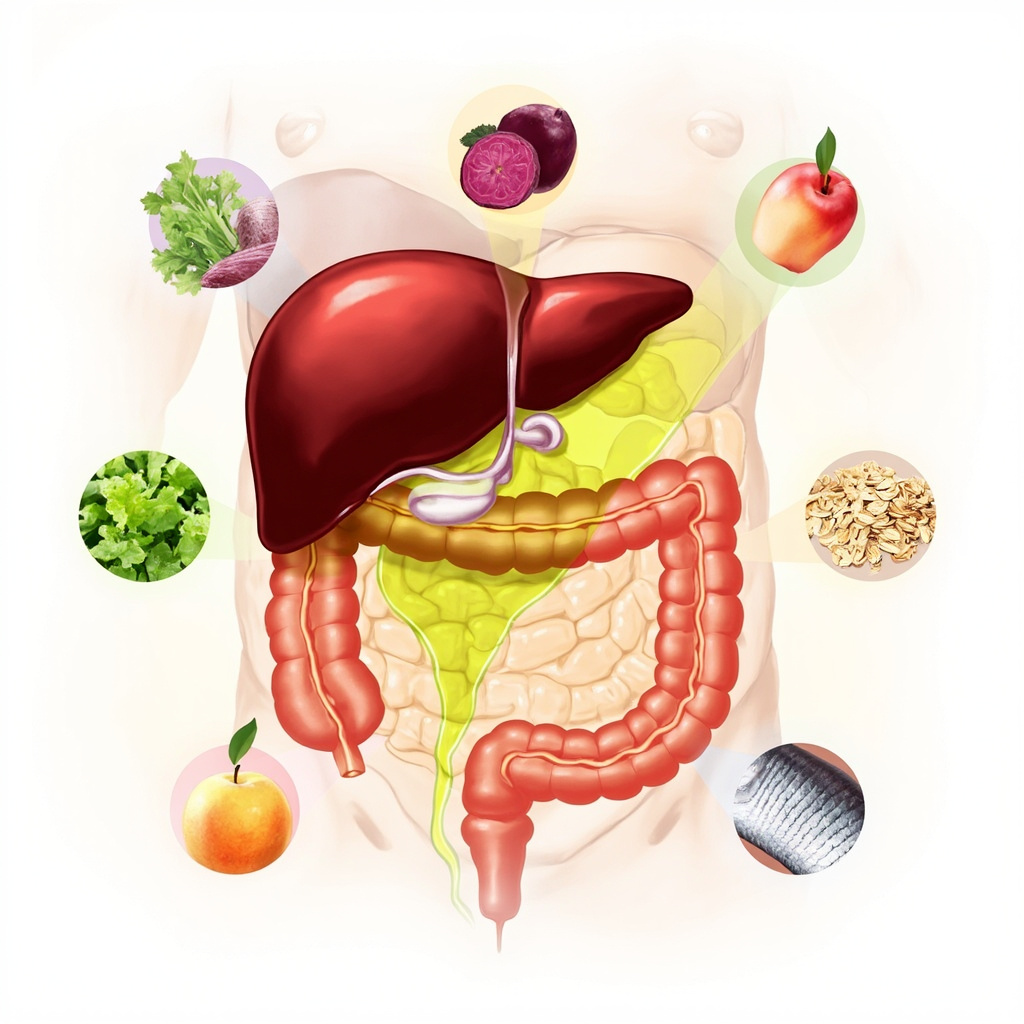
The gallbladder is a small, pear-shaped organ tucked under the liver in the upper right side of your abdomen. It acts like a storage tank for bile, a fluid made by the liver that helps digest fats in your small intestine. When you eat fatty foods, the gallbladder releases bile to break them down, allowing your body to absorb nutrients properly. For more details, check our glossary entry.
A healthy gallbladder keeps your digestion smooth and supports overall energy levels. But when it struggles, it can lead to problems like gallstones, inflammation, or poor fat processing.
Common Signs of Gallbladder Imbalance
You might notice:
- Sharp pain in the upper right abdomen, especially after meals
- Nausea or vomiting
- Bloating, indigestion, or fatty stools
- Fatigue from poor nutrient absorption
These issues often stem from diets high in processed fats or low in fiber, which make bile too thick or encourage stone formation. Recent studies show that low-fiber intake raises gallstone risk, while high-fiber diets protect the organ.
The Emotional Side of the Gallbladder
Beyond the physical, the gallbladder connects to emotions like bitterness, frustration, and suppressed anger. Feeling stuck in decisions or harboring resentment can stress this organ, leading to physical symptoms. Stress also disrupts digestion by altering bile flow and gut motility. Addressing these feelings through mindful practices can ease the load on your body.
Nutrition Strategies for Gallbladder Health
As a nutritionist, I focus on turning insights from body signals into everyday food choices. Supporting the gallbladder means easing its workload while promoting steady bile flow. Key principles:
- Reduce saturated fats: Limit fried foods, red meats, and full-fat dairy to prevent overload.
- Boost fiber: Aim for 25-30 grams daily to bind cholesterol and flush bile.
- Stay hydrated: Water keeps bile fluid and moving.
- Eat regular small meals: Skipping meals lets bile stagnate.
These align with metabolic health, reducing inflammation and improving gut function.
Best Foods to Nourish Your Gallbladder
Incorporate these regularly:
- Leafy greens (spinach, kale): Rich in magnesium and fiber for bile regulation.
- Fruits (apples, berries, citrus): Provide pectin and vitamin C to thin bile and prevent stones.
- Whole grains (oats, brown rice): Fiber lowers cholesterol in bile.
- Beets and artichokes: Stimulate bile production naturally.
- Lean proteins (fish, chicken, legumes): Easy to digest without excess fat.
- Healthy fats in moderation (avocado, olive oil, omega-3s from salmon): Keep the gallbladder active.
Sample day:
- Breakfast: Oatmeal with berries
- Lunch: Grilled fish salad with greens
- Dinner: Lentil soup with beets
- Snacks: Apple, carrot sticks
Foods to Limit or Avoid
- Fried and processed foods
- High-fat dairy and meats
- Refined sugars and white flour
- Excessive caffeine or alcohol
Gallbladder as a Body Resource
When balanced, the gallbladder aids fat digestion, boosts nutrient uptake, and supports energy. It can help other systems by improving absorption of fat-soluble vitamins like A, D, E, and K. Emotionally, nurturing it fosters release of frustration, promoting calmer decision-making.
Track and Tune Your Nutrition
Notice patterns in digestion or energy? Foods supporting the gallbladder often address gut markers, inflammation, and stress impacts. Small changes yield big results for metabolic balance and vitality. Stay consistent for lasting wellness.
- 1. pmc.ncbi.nlm.nih.gov
- 2. bmhsc.org
- 3. gemhospitals.com
- 4. cuh.nhs.uk
- 5. myhealth.alberta.ca
- 6. int.livhospital.com
- 7. sciencedirect.com
- 8. niddk.nih.gov
- 9. faynutrition.com
- 10. healthy.kaiserpermanente.org
- 11. eatingwell.com
- 12. pmc.ncbi.nlm.nih.gov
- 13. farnorthsurgery.com
- 14. satulsa.com
- 15. integrative.ca
- 16. link.springer.com
- 17. lifespa.com
- 18. everydayhealth.com
- 19. health.clevelandclinic.org
- 20. myorthrive.com
- 21. bodybio.com
- 22. medicalnewstoday.com
- 23. sciencedirect.com
- 24. mkuh.nhs.uk
- 25. aashlokhospital.com
- 26. nature.com
- 27. acaacupuncture.com
- 28. webmd.com
Related posts
Glossary
- Energy and mind Structures > magnesium
- Energy and mind Structures > Focused Coherence; Focus
- Energy and mind Structures > Regulation
- Energy and mind Structures > Water
- Energy and mind Structures > Wellness
- Body zones > gallbladder
- TCM Recipes > Liver Health: A TCM Recipe for Balance and Calm
- TCM Recipes > Gallbladder Support: Remedies for Digestive Health
- TCM Recipes > Boost Your Energy: A TCM Recipe for Fatigue Relief
- Energy and mind Structures > vitality
- Energy and mind Structures > Digestion
- Energy and mind Structures > Stress
- Stimuli > Indigestion
- Stimuli > AIDS
- Stimuli > Pain
- Binaural beats > Inflammation Relief: Heal Faster with Binaural Beats
- Stimuli > Stimulate
- Stimuli > Lead
see also...
- Energy and mind Structures > HRV
- Energy and mind Structures > Body zones > gallbladder
- Energy and mind Structures > TCM Recipes > Tension Headache Relief: A Natural Approach to Ease Stress
- Binaural beats > Stimuli > Sacral, Zinc Etc
- Binaural beats > Desensitizer: Boost Your Energy and Focus Effectively
- Testimonials > 61% Drop in Nausea and 58% in Headaches from Sound Therapy