


Stomach Muscles: Nutrition for Digestion
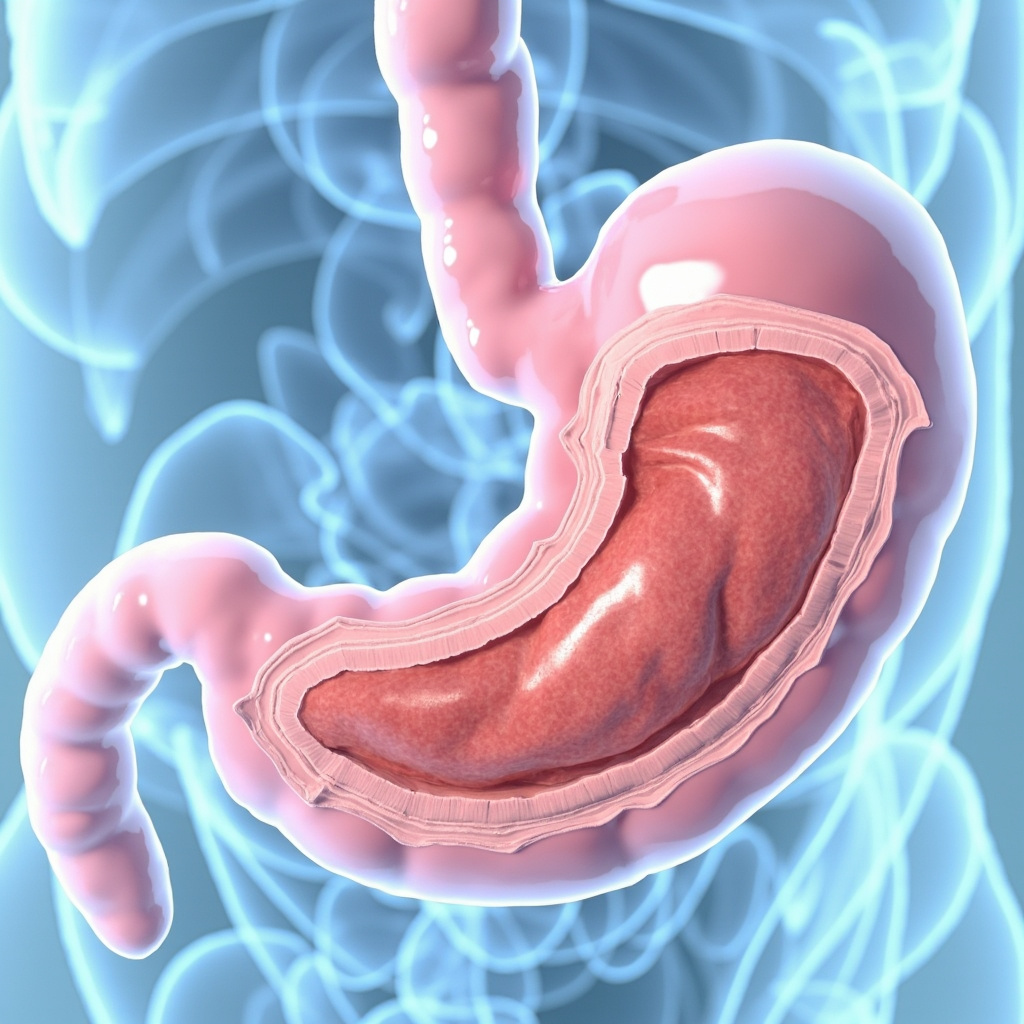
Stomach Muscles: Key Players in Digestion
The stomach muscles, particularly those lining the digestive.stomach.muscles, form layers that contract and relax rhythmically. These smooth muscles churn food into a semi-liquid called chyme, mixing it with digestive juices. This process helps break down nutrients and pushes contents toward the small intestine. When working well, they ensure efficient nutrient absorption and steady energy release. For more details, see the muscles glossary.
In BioCoherence assessments, biomarkers reveal the energy, agitation, and balance of these muscles from electrical activity recordings. Healthy markers indicate smooth operation, while imbalances signal potential issues.
What Happens When They Falter?
If stomach muscles weaken or spasm, digestion slows. Common problems include:
- Bloating and fullness after small meals
- Abdominal pain or cramps
- Nausea and vomiting
- Poor nutrient uptake leading to fatigue
A key condition is gastroparesis, where muscles fail to propel food properly, often from nerve damage, diabetes, or medications. Symptoms worsen with large or fatty meals, causing discomfort and weight loss.
The Emotional Connection
Stress and anxiety tighten stomach muscles via the gut-brain axis. Tense emotions can mimic indigestion, slowing motility. Unprocessed feelings-like holding onto grudges-may manifest as physical tension, cramps, or knots in the gut. Relaxing the mind eases these muscles, improving flow.
Nutrition to Strengthen Stomach Muscles
Diet plays a vital role in supporting stomach muscle function. Focus on electrolytes like potassium, magnesium, and calcium, which aid contractions and relaxation. These nutrients fuel peristalsis-the wave-like motion of digestion.
Key Nutrients
- Potassium: Regulates muscle contractions. Found in bananas, potatoes, and spinach.
- Magnesium: Relaxes muscles and reduces spasms. Sources include leafy greens, nuts, and seeds.
- Calcium: Supports muscle signaling. Get it from low-fat dairy or fortified plant milks.
- B vitamins: Boost energy metabolism for muscle health. Enriched grains and eggs help.
Foods to Include
Prioritize small, frequent meals that are low-fat and low-fiber for easier passage:
- Smoothies with banana, yogurt, and protein powder
- Pureed soups from carrots, potatoes, or squash
- White rice, pasta, or low-fiber cereals
- Lean proteins like eggs, fish, or pureed chicken
- Canned fruits without skins (applesauce, peaches)
- Ginger tea to soothe and promote motility
Foods to Limit or Avoid
High-fat, fibrous, or raw items slow emptying:
- Fried foods and fatty meats
- Raw vegetables, whole grains, nuts
- Dried fruits, oranges with membranes
- Carbonated drinks and alcohol
Chew thoroughly or blend foods to reduce muscle workload. Stay hydrated with 6-10 cups of fluids daily.
Stomach Muscles as a Resource
Balanced stomach muscles optimize digestion, delivering vital nutrients to the body. They enhance energy for other organs, reduce stress symptoms, and support overall vitality. Tuning into them promotes better absorption and emotional ease.
By choosing nutrient-dense, motility-friendly foods, you empower these muscles for smoother digestion and well-being.
- 1. forbes.com
- 2. stvincents.org
- 3. pmc.ncbi.nlm.nih.gov
- 4. arizonadigestivehealth.com
- 5. uniteddigestive.com
- 6. uniteddigestive.com
- 7. gastrojournal.org
- 8. franciscanhealth.org
- 9. iffgd.org
- 10. centerwellprimarycare.com
- 11. gipartnersofil.com
- 12. pmc.ncbi.nlm.nih.gov
- 13. uhc.com
- 14. uclahealth.org
- 15. health.clevelandclinic.org
- 16. researchgate.net
- 17. indygastro.com
- 18. patient.gastro.org
- 19. nhs.uk
- 20. wellbeingnutrition.com
- 21. austingastro.com
- 22. health.harvard.edu
- 23. bgapc.com
- 24. amazon.com
- 25. stellishealth.com
- 26. my.clevelandclinic.org
- 27. leighmerotto.com
- 28. cdhf.ca
- 29. pmc.ncbi.nlm.nih.gov
- 30. sunresearch.com
- 31. webmd.com
- 32. chop.edu
- 33. grandoaksdc.org
- 34. webmd.com
- 35. nhs.uk
- 36. healthline.com
- 37. my.clevelandclinic.org
- 38. mayoclinic.org
- 39. thelancet.com
- 40. hartfordhealthcare.org
- 41. adaa.org
- 42. spirehealthcare.com
- 43. cghjournal.org
- 44. healthline.com
- 45. summithealth.com
- 46. ccjm.org
- 47. eatingwell.com
- 48. conehealth.com
- 49. rockymountaingastro.com
- 50. albanygi.com
- 51. pmc.ncbi.nlm.nih.gov
Related posts
Glossary
- Energy and mind Structures > magnesium
- Energy and mind Structures > calcium
- Energy and mind Structures > potassium
- Energy and mind Structures > Focused Coherence; Focus
- Energy and mind Structures > Relax
- Body zones > muscles
- Body zones > muscles
- Energy and mind Structures > Organs
- TCM Recipes > Boost Energy: A Simple Remedy for Low Energy and Fatigue
- TCM Recipes > Digestive Relief: A Simple Guide to Ease Bloating & Indigestion
- TCM Recipes > Stomach Health: Natural Remedies for Digestive Issues
- Energy and mind Structures > vitality
- Energy and mind Structures > fluids
- Energy and mind Structures > Digestion
- Stimuli > Ginger
- Stimuli > Indigestion
- Stimuli > Spasm
- Stimuli > GAPDH, Metabolism