


Colon Muscles: Nutrition for Flow and Release
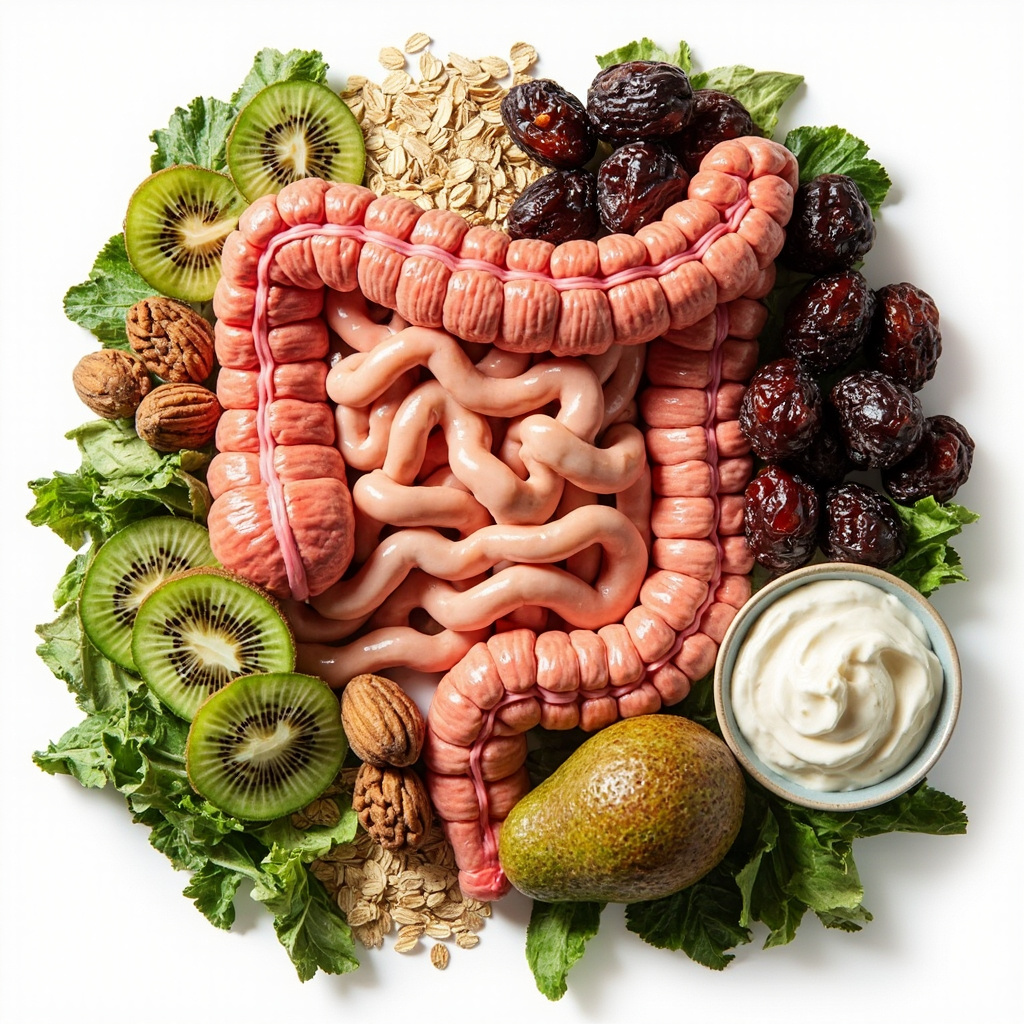
Understanding Colon Muscles
The colon muscles, found in the walls of the large intestine, play a vital role in digestion. They contract in a rhythmic wave called peristalsis to push waste through the colon and out of the body. For more details, see the glossary entry on muscles.
When healthy, these muscles ensure regular bowel movements and prevent buildup of toxins. But imbalances can disrupt this process, leading to common issues.
Signs of Imbalance
Weak or tense colon muscles often show up as:
- Constipation: Hard stools and infrequent movements due to slow contractions.
- Diarrhea: Overactive muscles rushing waste too quickly.
- Irritable bowel syndrome (IBS): Alternating patterns with pain and bloating.
These physical symptoms can link to emotions like feeling stuck, resistance to change, or holding onto past hurts. Fear or anxiety may tighten muscles, while unresolved stress slows motility. Addressing both body and mind supports better flow.
Nutrition for Strong Colon Muscles
Diet directly influences muscle function through key nutrients like magnesium for relaxation, potassium for contractions, and fiber for stimulation. Recent research highlights simple foods to enhance motility.
Fiber Powerhouses
Fiber bulks stool and triggers muscle waves:
- Soluble fiber (oats, apples, pears, kiwifruit): Forms a gel to soften stool and feed gut bacteria producing short-chain fatty acids that boost peristalsis.
- Insoluble fiber (whole grains, leafy greens like spinach, broccoli): Adds bulk to speed transit.
- Aim for 20-35 grams daily: Two kiwis or 50g prunes can increase bowel frequency.
Mineral Boosters
Electrolytes keep muscles contracting smoothly:
- Magnesium-rich foods (nuts, seeds, leafy greens, avocados): Relaxes tense muscles and draws water into the colon for easier passage.
- Potassium sources (bananas, beans, potatoes): Balances contractions to prevent spasms.
- Mineral waters high in magnesium and sulfate promote propulsion.
Gut-Friendly Supports
- Probiotics (yogurt, kefir, sauerkraut, kimchi): Balance microbiome to enhance serotonin release, aiding muscle reflexes.
- Healthy fats (olive oil, nuts): Reduce inflammation and stimulate bile for better motility.
- Prebiotics (onions, garlic, bananas): Fuel beneficial bacteria for sustained movement.
Using Colon Muscles as a Resource
Strong colon muscles benefit the whole body by clearing waste efficiently. This prevents toxin overload, boosts energy levels, and eases discomfort that fuels stress. Emotionally, they symbolize letting go, fostering calm and adaptability.
In practice, rely on them during detox or recovery by eating fiber steadily and staying hydrated (1.5-2 liters water daily).
Practical Meal Ideas
Breakfast: Oatmeal with chia seeds, banana, and yogurt. Lunch: Lentil soup with spinach salad, olive oil dressing, and apple. Snack: Handful of almonds and kiwi. Dinner: Brown rice, broccoli, beans, and avocado.
Start small to avoid gas: Increase fiber gradually, chew well, and pair with movement like walking to activate the gastrocolic reflex.
Emotional and Lifestyle Ties
Notice if digestive slowdowns align with holding patterns in life. Mindful eating-savoring meals without rush-supports both gut and mind. Combine nutrition with relaxation techniques to release tension in colon muscles.
By nourishing these muscles, you promote digestive balance, vitality, and inner freedom. Small dietary shifts yield lasting flow.
- 1. hartfordhospital.org
- 2. miagiommi.com
- 3. traceminerals.com
- 4. mdpi.com
- 5. stvincents.org
- 6. journals.lww.com
- 7. niddk.nih.gov
- 8. bswhealth.com
- 9. pmc.ncbi.nlm.nih.gov
- 10. uniteddigestive.com
- 11. goodrx.com
- 12. healthline.com
- 13. eleanorstrangnutrition.co.uk
- 14. baptisthealth.com
- 15. pmc.ncbi.nlm.nih.gov
- 16. healthline.com
- 17. renown.org
- 18. colorectalcancer.org
- 19. connect.mayoclinic.org
- 20. youtube.com
- 21. drugtodayonline.com
- 22. bannerhealth.com
- 23. peirsoncenter.com
- 24. gi-doctor.medium.com
- 25. guthealthydietitian.com
- 26. webmd.com
- 27. youtube.com
- 28. granitepeaksgi.com
- 29. healthline.com
- 30. youtube.com
- 31. instagram.com
- 32. denverhealthmedicalplan.org
- 33. pmc.ncbi.nlm.nih.gov
- 34. hartfordhealthcare.org
- 35. rupahealth.com
- 36. healthline.com
- 37. int.livhospital.com
- 38. chop.edu
- 39. link.springer.com
- 40. conehealth.com
- 41. hopkinsmedicine.org
- 42. mayoclinic.org
- 43. topnutritioncoaching.com
- 44. guttogetherprogram.com
- 45. healthline.com
- 46. gastrojournal.org
- 47. healthpartners.com
- 48. sciencedirect.com
- 49. lacolorectalsurgery.com
- 50. pmc.ncbi.nlm.nih.gov
- 51. rush.edu
- 52. verywellhealth.com
Related posts
Glossary
- Energy and mind Structures > magnesium
- Energy and mind Structures > Water
- Body zones > muscles
- Body zones > muscles
- TCM Recipes > Digestive Relief: A Simple Guide to Ease Bloating & Indigestion
- Energy and mind Structures > vitality
- Energy and mind Structures > toxins
- Energy and mind Structures > movement
- Energy and mind Structures > Digestion
- Energy and mind Structures > Panchaka; Large intestine
- Energy and mind Structures > Stress
- Stimuli > DMD, Muscle Function
- Stimuli > Serotonin
- Stimuli > Pain
- Binaural beats > Inflammation Relief: Heal Faster with Binaural Beats
- Binaural beats > Bowel Harmony: Enhancing Digestive Health and Balance
- Stimuli > Stimulate
see also...
- Energy and mind Structures > HRV
- Energy and mind Structures > Body zones > muscles
- Energy and mind Structures > TCM Recipes > Migraine Relief: Soothing Herbal Blend for Headaches
- Binaural beats > Stimuli > Chakra Throat
- Binaural beats > Bowel Harmony: Enhancing Digestive Health and Balance
- Testimonials > 61% Drop in Nausea and 58% in Headaches from Sound Therapy