


Amino Acids: The Essential Building Blocks for Your Body's Strength and Balance
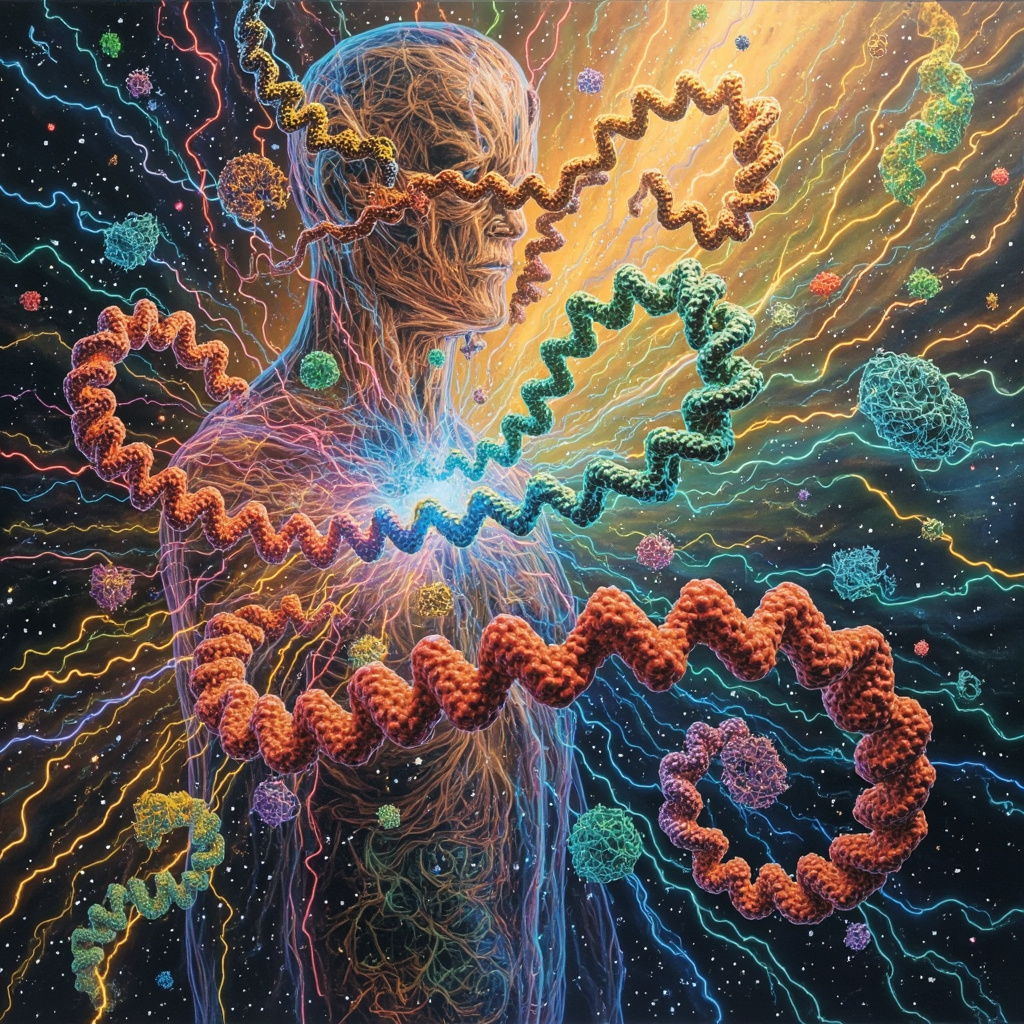
What Are Amino Acids?
Amino acids are small organic molecules that act as the building blocks of proteins. Your body uses them to build and repair muscles, organs, skin, and more. They are present everywhere in your tissues and play key roles in everyday functions like healing wounds, absorbing nutrients, and even producing brain chemicals that affect your mood.
There are many types of amino acids. Some your body makes on its own, while others, called essential amino acids, must come from food. Without a steady supply, your body struggles to maintain strength and vitality.
In BioCoherence, amino acids appear as a key structure. A quick recording of your body's electrical activity with an ECG sensor computes over 1,500 biomarkers. These show the energy levels, activity, qualities, and connections of amino acids in your system.
The Vital Roles of Amino Acids in Health
Healthy amino acids support:
- Protein synthesis: Creating new proteins for muscle growth and tissue repair after exercise or injury.
- Nutrient uptake: Helping your intestines absorb vitamins and minerals efficiently.
- Neurotransmitter balance: Producing chemicals like serotonin and dopamine for steady mood and clear thinking.
- Energy production: Fueling metabolic processes to keep you energized throughout the day.
When everything works well, you feel strong, recover quickly, and handle daily stress with ease.
What Happens When Amino Acids Are Out of Balance?
If amino acid metabolism falters, problems arise. You might notice:
- Muscle weakness or wasting, making physical tasks harder.
- Slow healing from cuts or strains.
- Weakened immunity, leading to frequent colds.
- Brain fog, irritability, or low energy.
These issues often link to broader metabolic challenges, poor digestion, or inflammation. As a nutritionist, I see this in biomarkers showing sluggish gut health or nutrient gaps, which disrupt amino acid use.
The Emotional Connection to Amino Acids
Amino acids go beyond the physical. Stress and unresolved emotions can throw them off balance. Feelings of inadequacy or constant worry may slow protein building, leading to fatigue, mood swings, or a weakened immune system.
On the flip side, nurturing emotional well-being helps amino acids function better. Practices that reduce stress improve their utilization, creating a cycle of better mood and physical resilience.
Using Amino Acids as a Resource
Amino acids shine as a support for other body parts. They aid:
- Tissue repair in muscles and organs.
- Better nutrient flow to cells.
- Smoother brain signaling for focus and happiness.
- Steady energy from metabolism.
In BioCoherence's Personal Guide, guided meditations use specific words to call on amino acids as a resource or focus on them as a priority. This inner journey highlights their role, paired with targeted audio frequencies in Harmonic Boost or micro-currents in Harmonizer to encourage balance using their natural resonance.
Nutrition Tips to Nourish Amino Acids
Diet is your first line of support. Focus on whole foods rich in amino acids:
Protein sources for complete amino acids:
- Eggs and dairy for easy absorption.
- Meat, fish, and poultry for essential types.
- Plant options like quinoa, soy, or combinations of beans and rice.
Gut-friendly additions:
- Fermented foods (yogurt, kimchi) to aid digestion and uptake.
- Fiber-rich veggies to support microbiome balance.
Stress-reducing choices:
- Omega-3s from salmon or walnuts to calm inflammation.
- Magnesium-packed spinach or nuts for relaxation.
Track your intake: Aim for 1.2-2 grams of protein per kilogram of body weight daily, adjusted for activity. If biomarkers show gaps, consider timed meals or gentle supplements like branched-chain amino acids (BCAAs) for recovery.
Watch for sensitivities. Inflammatory markers might point to dairy or gluten issues-swap them for alternatives and monitor energy shifts.
BioCoherence Insights for Personalized Care
BioCoherence reveals amino acid status precisely. Low energy biomarkers might suggest more protein-focused meals. High agitation could tie to stress, calling for calming foods and mindfulness.
Pair this with Harmonic Boost programs: Select ones targeting amino acids from explorations or basic libraries. They use structures and stimuli to guide balance toward goals like vitality or repair.
For deeper work, Harmonizer applies real-time micro-currents based on your priorities, enhancing dietary efforts.
Steps to Get Started
- Record a BioCoherence exploration to check your amino acids.
- Review nutrition: Log meals for a week, noting energy and mood.
- Build a Personal Guide prioritizing amino acids for daily support.
- Choose protein-rich recipes aligned with your biomarkers.
Small changes yield big results. Balanced amino acids build a stronger, calmer you.
For more: Amino acids glossary
Related posts
Glossary
- Energy and mind Structures > Focused Coherence; Focus
- Energy and mind Structures > Structure
- Energy and mind Structures > Courage
- Energy and mind Structures > Immunity
- Energy and mind Structures > Relax
- Body zones > amino acids
- Body zones > hand
- Body zones > dopamine
- Body zones > tissue
- Body zones > inner
- Body zones > tissues
- Body zones > muscles
- Energy and mind Structures > Organs
- TCM Recipes > Skin Health: Remedies for Acne and Eczema
- TCM Recipes > Brain Boost: Clear Fog, Improve Focus & Memory
- TCM Recipes > Boost Your Energy: A TCM Recipe for Fatigue Relief
- Energy and mind Structures > vitality
- Energy and mind Structures > Digestion
- Energy and mind Structures > Stress
- Stimuli > IGF1, Growth
- Stimuli > Serotonin
- Stimuli > Lead
- Stimuli > HLA-DRB1, Immune System
- Stimuli > GAPDH, Metabolism