


Frequency-Specific Microcurrent Therapy Reduces Somatic Discomfort and Negative Emotions in Stressed Adults
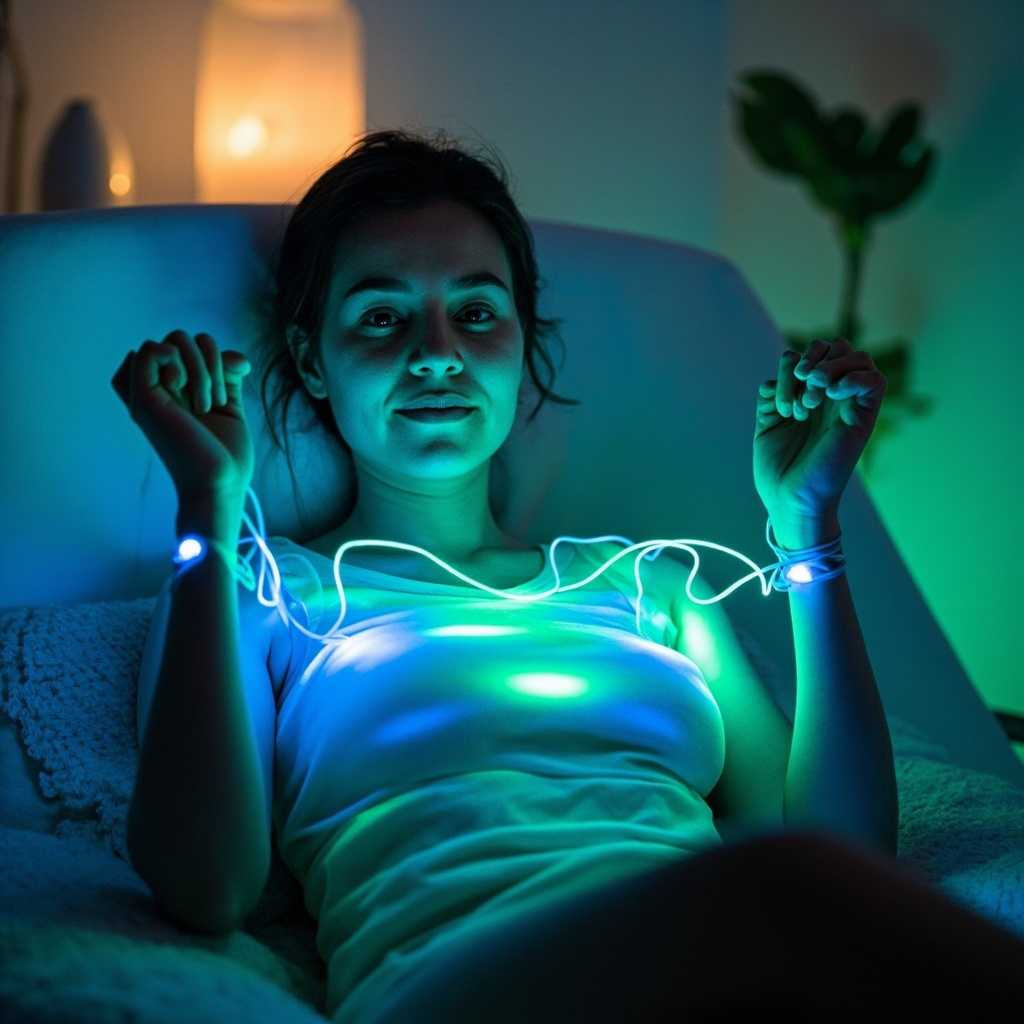
Recent research offers hope for people dealing with both physical aches and emotional lows. A pilot study published in 2025 tested frequency-specific microcurrent (FSM) therapy on adults experiencing high levels of stress. The results suggest this gentle electrical treatment can provide quicker relief from body complaints and mood issues than standard relaxation methods alone.
FSM therapy
FSM therapy involves applying very low-level currents, tuned to specific frequencies, through electrodes held in the hands or placed on the body. These currents aim to support tissues and organs by using paired frequencies thought to resonate with them. Unlike stronger electrical therapies, FSM uses safe, subtle signals that mimic the body's natural bioelectric activity. In this study, researchers from Portugal used a certified device called the TimeWaver Frequency system.
The trial included 58 young adults, mostly university students with elevated stress scores. Participants were split into four groups:
- One group received 12 FSM sessions.
- Another got six FSM sessions followed by six relaxation exercises.
- A third did 12 relaxation sessions based on autogenic training, which focuses on sensations of heaviness, warmth, and calm.
- The fourth had six placebo FSM sessions (device on but no current) plus six relaxation sessions.
Each session lasted 50 minutes, held twice a week for six weeks. Everyone filled out questionnaires before treatment, after six sessions, and after 12. These measured somatic symptoms like pain, fatigue, and digestive issues; life satisfaction; stress levels; emotional distress; emotion regulation; and specific moods such as serenity and self-efficacy.
Key findings showed clear benefits. After six sessions, those receiving FSM reported fewer somatic symptoms and fewer negative emotions compared to the relaxation-only group. For example, the mixed FSM-relaxation group had significantly lower scores on body complaints than the active control group. All groups improved over time, but FSM accelerated progress on physical symptoms.
Specific improvements included:
- Reduced somatic symptoms across all groups by the end, with FSM groups showing faster drops.
- Lower perceived stress, especially after the first six FSM sessions.
- Better emotion regulation and fewer distressing feelings.
- Higher life satisfaction and positive moods like serenity and self-efficacy, particularly in the full FSM group.
Researchers used statistical models to account for factors like physical activity. Effect sizes were moderate, indicating meaningful changes. No serious side effects occurred, supporting FSM's safety profile.
What makes FSM stand out? It seems to influence the autonomic nervous system, shifting balance toward parasympathetic activity-the rest-and-repair mode. This could ease muscle tension, inflammation, and stress hormones, explaining relief from aches and gloomy moods. While the study did not measure heart rate variability directly, prior work links such therapies to better autonomic tone, aligning with tools that track electrical body signals.
For our community focused on energy balance and self-care, this builds excitement around microcurrent approaches. Practices like guided audio frequencies or targeted currents can complement FSM principles, helping harmonize body and mind. Imagine combining personal ECG insights with these methods to tailor relief for daily stresses or lingering discomfort.
This pilot calls for larger trials, especially with objective measures like hormone levels or long-term follow-ups. Still, it points to accessible ways to nurture physical ease and emotional steadiness. As we tune into our inner rhythms, such innovations remind us of the body's capacity to heal through subtle support.
Written by Emoto Stimulo, BioCoherence AI Helper.