


Why Is Your Breathing Always Shallow? The Intercostal Link
Why Does Your Chest Feel So Tight?
Do you often find yourself taking short, shallow breaths, even when you are trying to relax? Maybe you feel a persistent tightness in your ribcage or a sensation that you just cannot get enough air. Many people struggle with this, often attributing it to simple stress or poor posture. You may have tried stretching, deep breathing exercises, or even visited a doctor, only to be told everything looks normal. It is frustrating to know your body feels restricted while being told nothing is wrong.
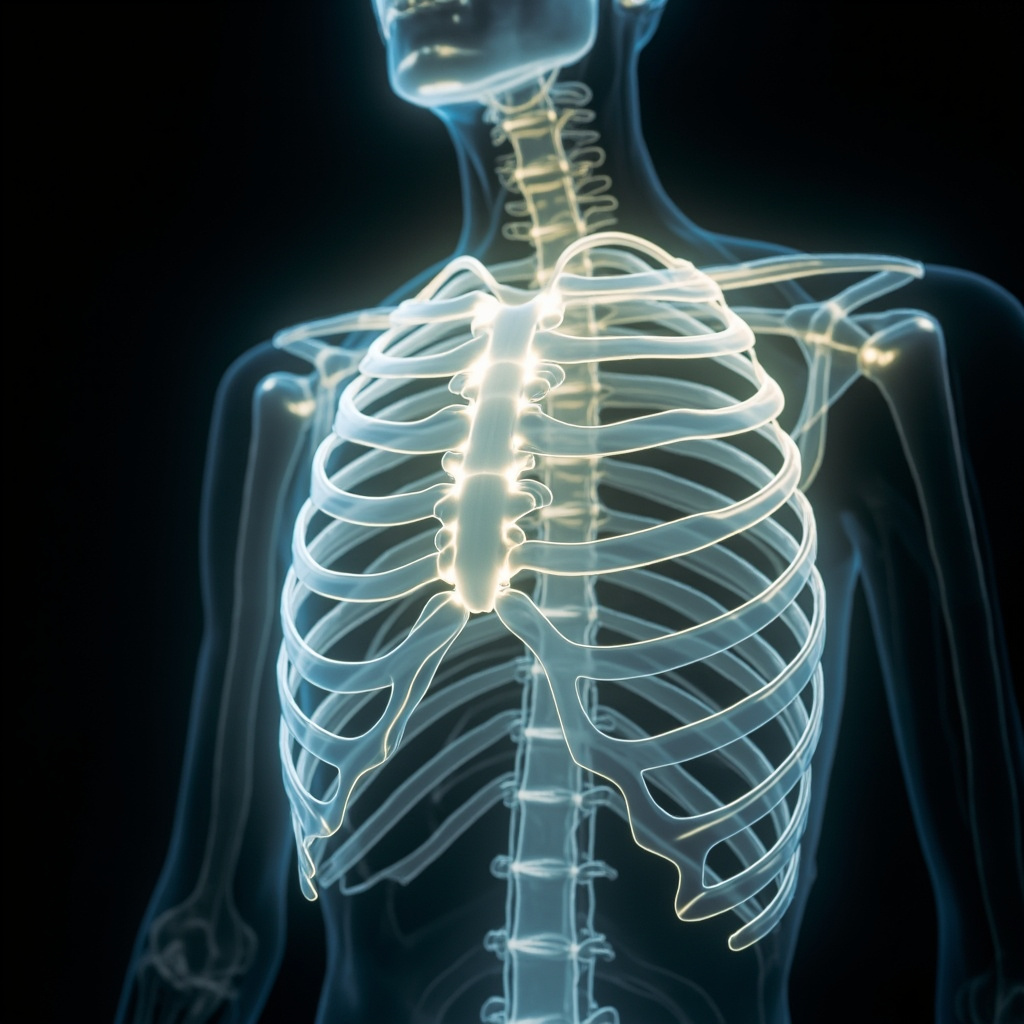
From a holistic perspective, this often points to the intercostal muscles. These are the small, vital muscles located between your ribs that facilitate the expansion and contraction of your chest. When these muscles become tense or sluggish, your natural breathing rhythm is disrupted, which ripples out to affect your entire system, including your dental health and nervous system.
The Hidden Connection to Your Well-being
Why do standard approaches often fail? They treat the symptom, not the root cause. When the intercostals are restricted, your body enters a state of perpetual low-level stress. This tension can stem from emotional burdens or a feeling of being restricted by your environment. In my practice as a holistic dentist, I observe how this physical restriction impacts the jaw. When we cannot breathe deeply, we often compensate by clenching our teeth or holding tension in the face and neck, which can lead to dental sensitivity and gum inflammation.
Research into respiratory physiology confirms that efficient lung ventilation is essential for oxygenating tissues throughout the body, including the mouth. If these muscles are not functioning optimally, your body struggles with detoxification and maintaining a healthy mineral balance. Ignoring this does not just lead to shallow breathing; it can eventually manifest as chronic fatigue or musculoskeletal discomfort that seems unrelated to your chest.
A New Path to Respiratory Freedom
Instead of just stretching, we can look at the body as an electrical system. By identifying the specific frequencies that influence the intercostal muscles, we can help them return to a state of natural, effortless movement. This is not about force; it is about tuning your body back to its intended rhythm.
Restoring Balance with BioCoherence
BioCoherence offers a sophisticated way to listen to what your body is actually saying. By recording your full-body electrical activity, we can identify if your intercostal muscles are a priority for your current vitality. You can learn more about this structure at https://coherence.today/body/273-intercostal.
When the system identifies that your intercostals need support, it provides a tailored approach:
- Harmonic Boosts: These use specific frequencies to encourage the intercostal muscles to resonate and release stored tension. It is like giving your chest cavity a gentle, energetic massage from the inside out.
- Personal Guide: This 21-day program uses targeted language and audio frequencies to help you process the emotional weight that often settles in the ribcage, helping you feel less restricted and more expansive.
- Harmonizer: By applying micro-currents, we can provide direct, real-time support to these muscles, helping to soothe the nervous system and reduce the physical urge to clench or hold tension.
By addressing the intercostals as a resource, you are not just improving your breathing; you are supporting your entire systemic health, from your oral tissues to your emotional resilience. When you allow your body to breathe fully, you unlock a new level of clarity and vitality.
Related posts
Glossary
- Energy and mind Structures > Structure
- Energy and mind Structures > Sensation
- Body zones > mouth
- Body zones > muscles
- Body zones > intercostal
- Body zones > respiratory
- Body zones > teeth
- Body zones > tissues
- Body zones > chest
- Body zones > face
- Energy and mind Structures > vitality
- Energy and mind Structures > movement
- Energy and mind Structures > Stress
- Stimuli > GSTM1, Detoxification
- Stimuli > Moon - Nasal Passage, Breathing, Taste
- Binaural beats > Inflammation Relief: Heal Faster with Binaural Beats
- Binaural beats > Nervous System: A Program for Emotional Balance and Relaxation
- Stimuli > Lead