


Why Is Your Breathing Shallow? The Hidden Diaphragm Link
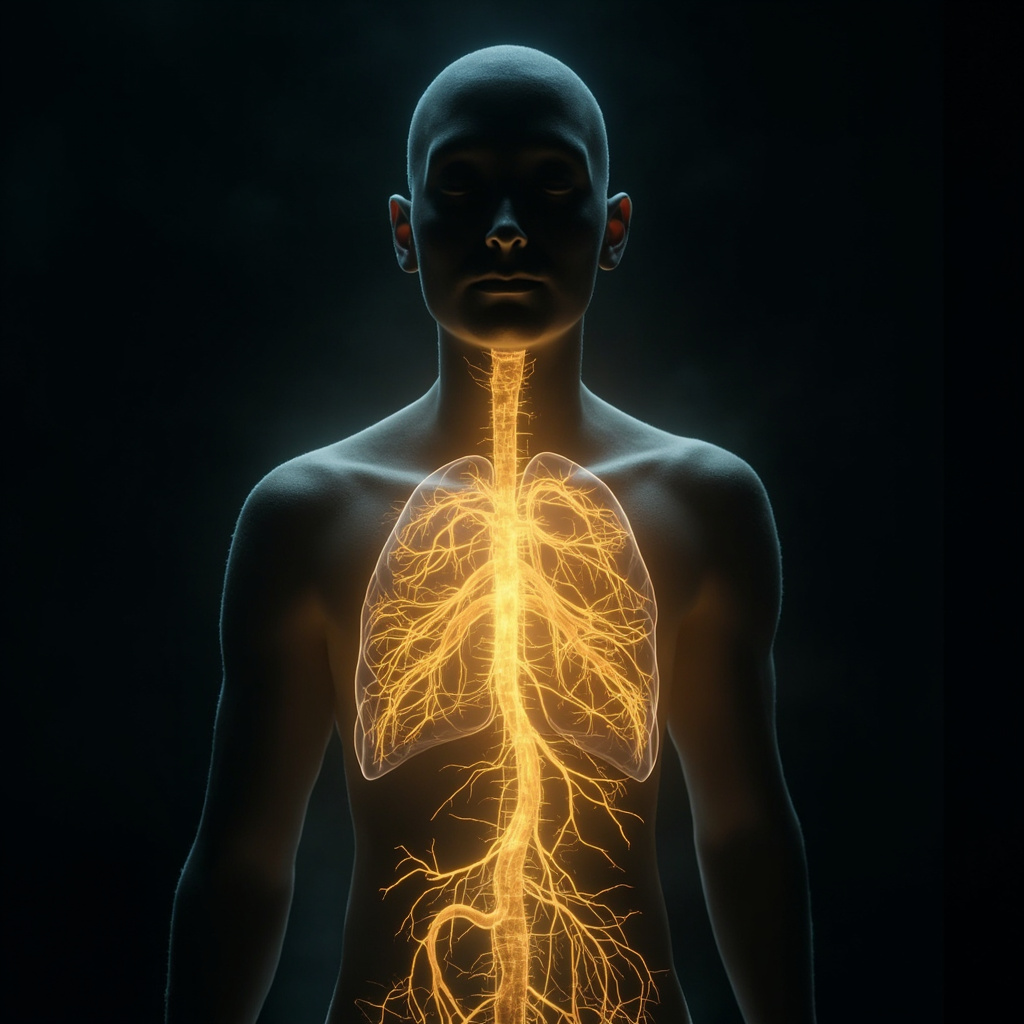
The Invisible Burden You Carry Every Day
Do you often feel like you cannot take a full, satisfying breath? Perhaps you notice your shoulders rising toward your ears when you are stressed, or you feel a persistent tightness in your upper abdomen that no amount of stretching seems to fix. Many people live in a state of chronic, shallow breathing without ever realizing its impact on their systemic health. As a holistic dentist, I frequently see patients who suffer from jaw tension, poor sleep, and unexplained fatigue, only to find that the root cause lies in their primary respiratory muscle: the diaphragm.
Why Standard Approaches Often Fall Short
Most traditional health advice focuses on symptoms. If you have digestive issues, you take supplements. If you have jaw pain, you get a mouthguard. If you are tired, you drink more coffee. While these methods may offer temporary relief, they rarely address the root cause of why your body feels stuck. The diaphragm is not just a muscle for breathing; it is the physical bridge between your chest and your abdomen. When it becomes rigid or locked due to chronic stress, it affects your circulation, your digestion, and even your nervous system's ability to switch from 'fight or flight' to rest and recovery.
The Science of Your Breath
Research has shown that the way we breathe directly influences our autonomic nervous system. When the diaphragm functions correctly, it moves rhythmically, acting as a pump for your lymphatic system and a stabilizer for your core. However, when it is restricted, your body compensates by using smaller muscles in your neck and chest. This creates a cascade of inflammation and tension that can manifest as systemic health issues, including dental problems like bruxism or gum irritation, because your body is in a constant state of low-grade stress.
Restoring Your Natural Rhythm
Understanding your body's electrical activity is the first step toward true healing. Through advanced analysis, we can now observe how your diaphragm interacts with your overall energy field. By using specific frequencies that resonate with this structure, we can help the muscle release chronic tension and return to its natural, fluid movement.
BioCoherence offers a unique way to support this process. By recording your body's electrical activity, the software identifies if your diaphragm is a priority for your current state. You can then use Harmonic Boosts to guide the structure toward balance, or engage with a Personal Guide-a 21-day program that uses targeted audio frequencies and reflective text to help you reconnect with your breath and release emotional patterns associated with feeling trapped or overwhelmed.
For those seeking a more physical intervention, the Harmonizer device uses micro-currents to provide real-time support, helping to ease the tension that accumulates in the abdominal and thoracic regions. By aligning your body's electrical environment, you allow your natural capacity for rejuvenation to take over, supporting everything from better sleep to improved digestive flow. You can learn more about the anatomy and function of this vital structure at https://coherence.today/body/245-diaphragm.
Related posts
Glossary
- Energy and mind Structures > Structure
- Body zones > lymphatic
- Body zones > diaphragm
- Body zones > muscles
- Body zones > respiratory
- Body zones > chest
- Body zones > digestive
- Body zones > ears
- Energy and mind Structures > sleep
- Energy and mind Structures > movement
- Energy and mind Structures > Digestion
- Energy and mind Structures > Stress
- Stimuli > Hepatitis G virus, Primary
- Stimuli > Moon - Nasal Passage, Breathing, Taste
- Stimuli > Pain
- Stimuli > Bruxism
- Binaural beats > Nervous System: A Program for Emotional Balance and Relaxation