


Why Do I Feel So Stressed? The Hidden Cortisol Link
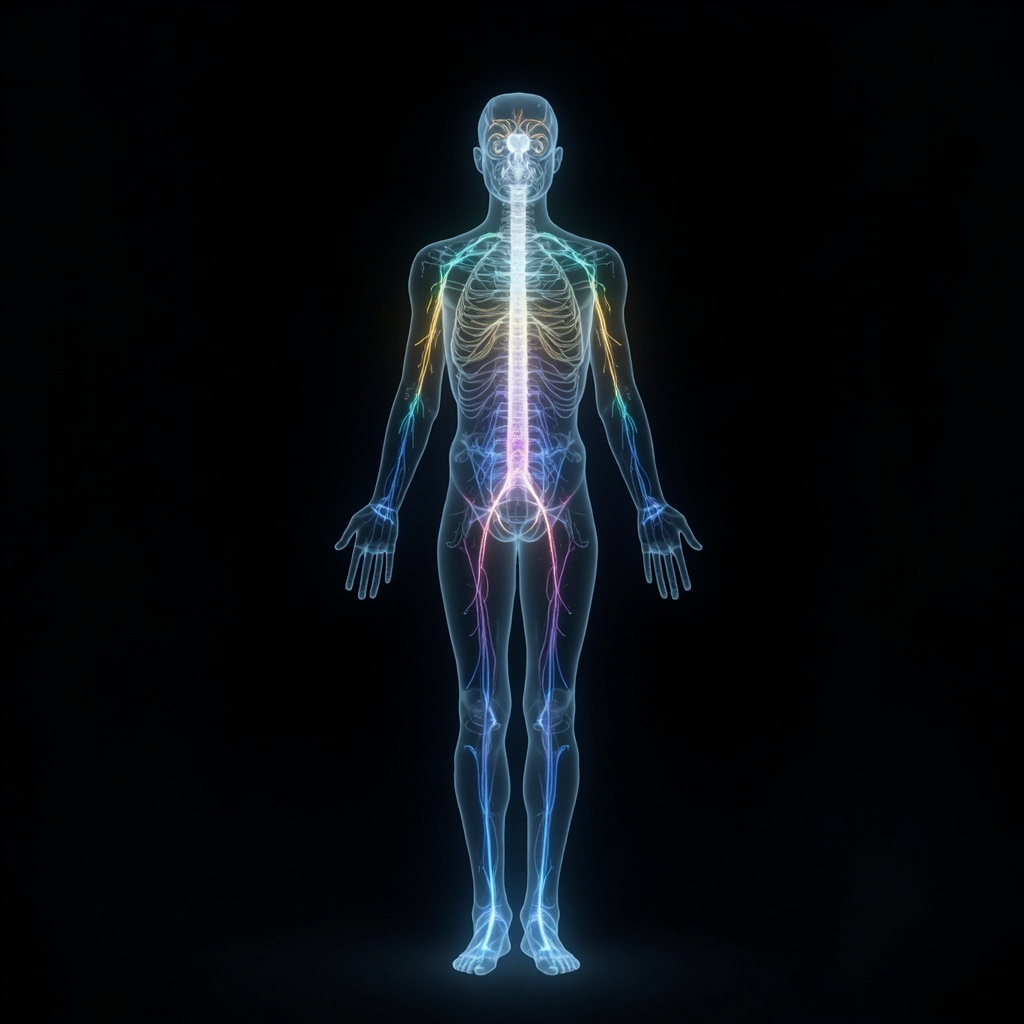
Understanding Your Body's Stress Response
Do you find yourself waking up exhausted despite a full night of sleep? Do you feel like your stomach is constantly tied in knots, or perhaps you struggle to handle even minor daily pressures? You are not alone. Many people navigate their lives feeling perpetually drained, yet traditional checkups often return normal results. This leads to frustration, as you know something is off, but you cannot seem to find the answer.
Many have tried changing diets, increasing exercise, or taking various supplements, only to find temporary relief or no improvement at all. The reason these attempts often fail is that they treat the symptoms rather than the root cause. Your body operates through complex electrical and chemical signals. When these signals fall out of sync, your internal systems struggle to maintain balance.
The Hidden Role of Cortisol
At the center of this struggle is cortisol, often called the stress hormone. Produced by your adrenal glands, cortisol is designed to help you navigate challenges by regulating your metabolism, blood sugar, and immune response. However, when you face chronic stress-whether from work, emotional conflict, or environmental factors-your body stays in a state of high alert. This constant demand for cortisol can leave your system depleted, leading to what many describe as feeling "wired but tired."
Scientific research indicates that prolonged stress affects more than just your mood; it disrupts the gut-brain axis. When cortisol levels are chronically imbalanced, your digestive health, energy levels, and even your ability to recover from illness are compromised. If this is not addressed, the body remains in a cycle of stress that becomes increasingly difficult to break.
A New Way to Restore Harmony
Instead of guessing what your body needs, imagine being able to read its actual electrical signals. This is where modern advancements in bio-analysis change the landscape. By recording your body's electrical activity, we can identify exactly how your biomarkers-including cortisol-are functioning in real-time. This allows for a personalized, data-driven approach to self-development.
How BioCoherence Helps You Reclaim Balance
BioCoherence offers a sophisticated way to listen to what your body is truly saying. By analyzing over 1,500 biomarkers, the software identifies your specific imbalances Learn more about cortisol. Once the priority is identified, you can use these tools to restore your natural state:
- Harmonic Boosts: These create personalized audio frequencies that help specific parts of your body resonate back to a state of balance.
- Personal Guide: A 21-day program that adapts to your needs, providing guided meditations and resources to help you process the emotional and physical aspects of stress.
- Harmonizer: A device that uses gentle micro-currents to support your body physically, helping to soothe the nervous system and reduce the feeling of being "stuck."
By moving away from trial and error and toward a system that understands your unique electrical signature, you can finally support your body in the way it actually requires. Many users report feeling a sense of clarity and renewed vitality within just a few weeks of consistent use, as their systems finally find the space to heal and recover.
Related posts
Glossary
- Body zones > glands
- Body zones > cortisol
- Body zones > digestive
- Body zones > face
- Energy and mind Structures > vitality
- Energy and mind Structures > Stress
- Stimuli > Cortisol
- Binaural beats > Nervous System: A Program for Emotional Balance and Relaxation
- Stimuli > Blood
- Stimuli > GAPDH, Metabolism
- Stimuli > TNF, Immune Response