


Why Does Your Upper Back Ache? The Hidden Th2 Vertebra Link
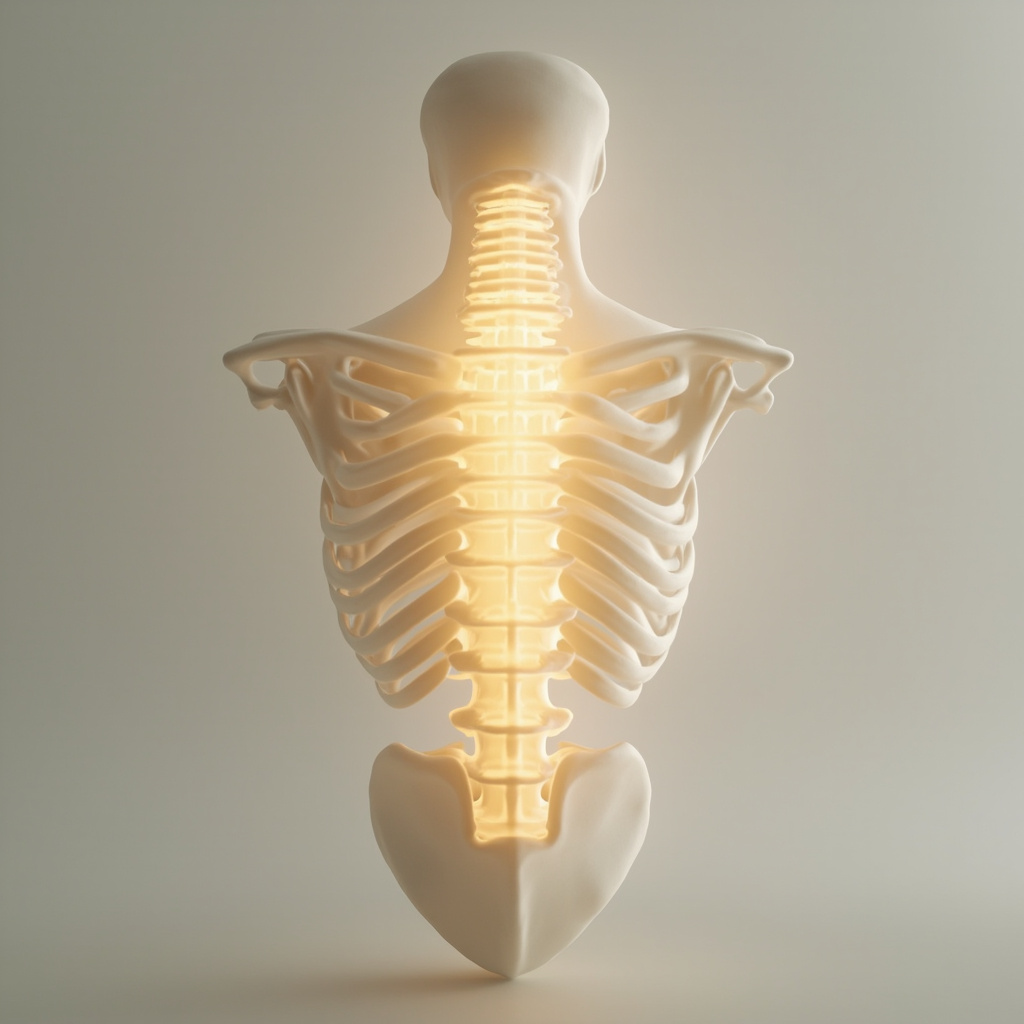
Understanding Upper Back Tension and Heart Health
Many of us have experienced that persistent, nagging tightness between our shoulder blades. You might have tried stretching, foam rolling, or even professional massage, only to find the relief is temporary. What if the source of this tension is not just about your posture or your chair, but a deeper link between your nervous system and your emotional health?
In the realm of body mechanics, the second thoracic vertebra, known as Th2, serves as a critical junction. Located in the upper back, this area is not just a structural support; it is deeply connected to the nerve pathways that influence your heart, coronary arteries, and upper chest organs. When this area is under stress, it often signals an underlying imbalance that affects your physical mobility and your emotional state.
The Hidden Connection Between Emotions and Your Spine
Research into the mind-body connection suggests that our physical structure often mirrors our internal state. The Th2 vertebra is frequently associated with feelings of emotional isolation or the weight of unachieved goals. When you carry stress, your body may subconsciously tighten the muscles around this vertebra, restricting movement and impacting how you breathe and how your heart functions.
Previous attempts to fix this pain often fail because they treat the symptom, not the root cause. If you only address the muscle tension, you are ignoring the nervous system's signal that something deeper needs attention. Understanding that your upper back pain could be a manifestation of emotional stress or nerve-related fatigue is the first step toward true relief.
Your Path to Restoration with BioCoherence
When we look at the body's electrical activity, we can identify exactly where tension is held. The BioCoherence software allows us to map these patterns through an in-depth analysis of your biomarkers. By recording the electrical activity of your body, we can pinpoint if the Th2 area is a priority for your nervous system.
How We Address the Root Cause
Once we understand your body's unique data, we can implement targeted strategies to restore balance:
- Harmonic Boosts: We use specific resonant frequencies to help the Th2 area return to a state of equilibrium, encouraging better energy flow to the heart and chest.
- Personal Guide: You receive a 21-day program of guided meditations that focus on the emotional and physical aspects of this region, helping you release stored tension.
- Harmonizer: Through the use of micro-currents, we provide real-time support to the tissues, helping to ease stiffness and promote recovery at a cellular level.
By integrating these tools, you are not just treating a sore back; you are supporting your body's innate ability to self-tune and maintain vitality. Whether you are looking to improve your athletic performance or simply find relief from daily stress, addressing the Th2 link is a powerful way to enhance your overall well-being. For more information on how the spine influences your systemic health, you can explore the Th2 glossary entry.
Related posts
Glossary
- Energy and mind Structures > Focused Coherence; Focus
- Energy and mind Structures > Structure
- Energy and mind Structures > Performance
- Body zones > muscles
- Body zones > Th2
- Body zones > Arteries
- Body zones > tissues
- Body zones > cellular
- Body zones > chest
- Energy and mind Structures > Organs
- Energy and mind Structures > equilibrium
- Energy and mind Structures > movement
- Energy and mind Structures > Stress
- Stimuli > Pain
- Binaural beats > Nervous System: A Program for Emotional Balance and Relaxation
- Stimuli > Heart