


Why Is Your Breathing Shallow? The Hidden Intercostal Link
Do you feel like you cannot take a full breath?
Many people walk through life feeling slightly restricted, as if their chest cannot fully expand. You might notice that when you try to take a deep breath, it feels forced or incomplete. Often, this is dismissed as simple stress or poor posture. You have likely tried stretching, deep breathing exercises, or even visiting a chiropractor, yet the feeling of tightness remains. If you feel constantly drained or unable to find your center, you are not alone.
The hidden role of your chest muscles
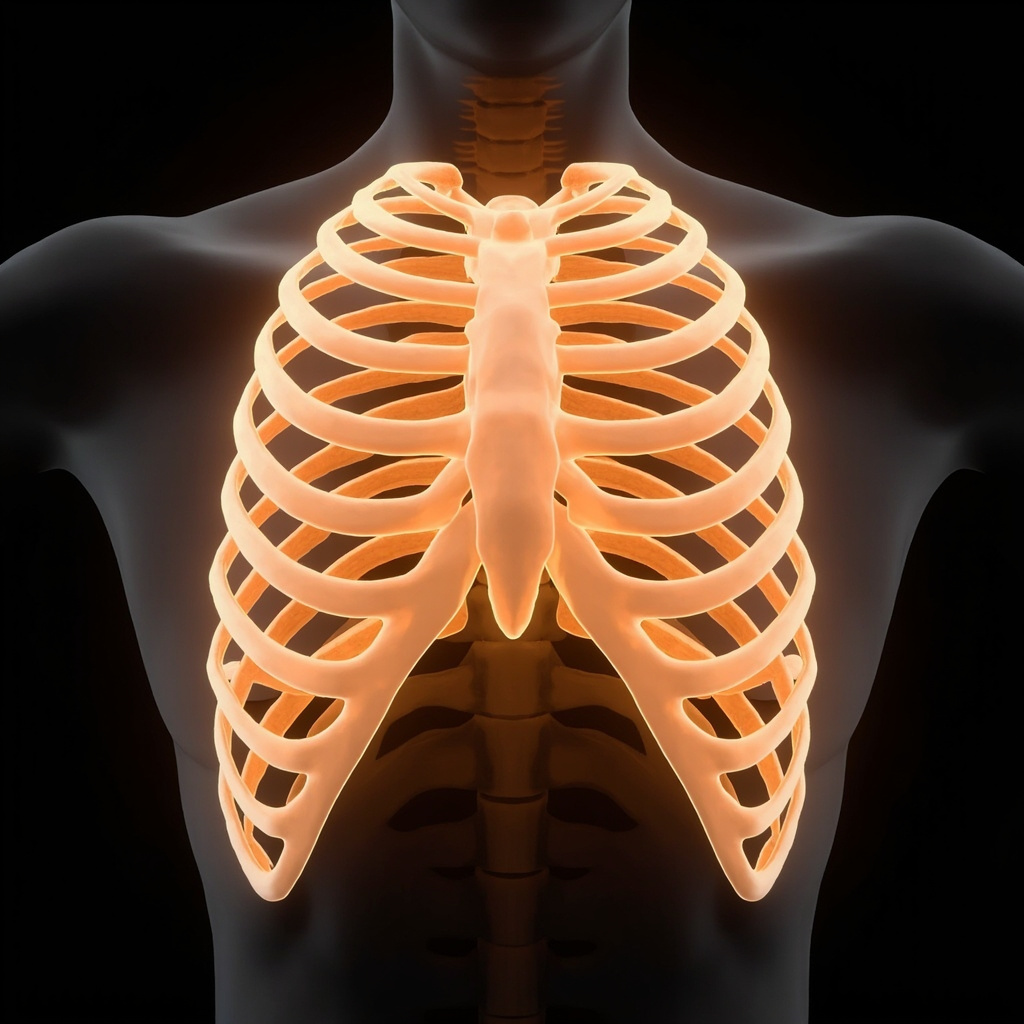
Most people focus on the lungs when they think about breathing, but the intercostal muscles-the small muscles located between your ribs-are the true engines of your respiratory process. These muscles are responsible for expanding and contracting your rib cage. When they become tense or restricted, your body cannot achieve effective ventilation. This leads to reduced oxygen intake, which impacts your metabolism, recovery, and overall vitality.
Beyond the physical, there is an emotional component. These muscles often hold onto tension related to feeling trapped or burdened by responsibility. When you struggle with personal space or fear conflict, your body physically guards your heart and lungs by tightening these areas.
Why traditional approaches often fall short
Standard fitness or wellness routines often ignore the subtle, electrical language of these muscle groups. If you treat only the symptoms-such as back pain or fatigue-without addressing the electrical and structural patterns of the intercostals, the tension will simply return. Scientific research into respiratory physiology shows that efficient breathing is foundational to nervous system regulation and stress management. Without addressing the root cause, you remain stuck in a cycle of shallow breathing and low energy.
Unlocking your breath with BioCoherence
BioCoherence offers a new way to understand your body by analyzing the electrical activity of your intercostal muscles. By recording thousands of data points, our system identifies if these muscles are a priority for your health.
How we help you breathe and feel better
Once we identify the specific needs of your intercostal structure, we provide targeted solutions:
- Harmonic Boosts: These use specific frequencies to help your intercostal muscles resonate, releasing deep-seated tension and promoting better expansion.
- Personal Guide: A 21-day program that combines guided meditations with audio frequencies to help you process the emotional weight often stored in your chest.
- Harmonizer: By applying gentle micro-currents in real time, the device helps balance the electrical activity of your rib area, promoting immediate relief and improved respiratory function.
By integrating these tools into your routine, you move beyond temporary fixes and begin to support your body at a fundamental level. You can learn more about your intercostal muscles and how they support your overall well-being. Whether you are seeking better performance or simply want to feel less restricted, understanding this hidden link is the first step toward true balance.
Related posts
Glossary
- Energy and mind Structures > oxygen
- Energy and mind Structures > Focused Coherence; Focus
- Energy and mind Structures > Structure
- Energy and mind Structures > Wellness
- Body zones > lungs
- Body zones > muscles
- Body zones > intercostal
- Body zones > respiratory
- Body zones > chest
- Energy and mind Structures > Stress
- Stimuli > Moon - Nasal Passage, Breathing, Taste
- Stimuli > Pain
- Stimuli > Heart