


Why Is Your Breathing Shallow? The Hidden Diaphragm Link
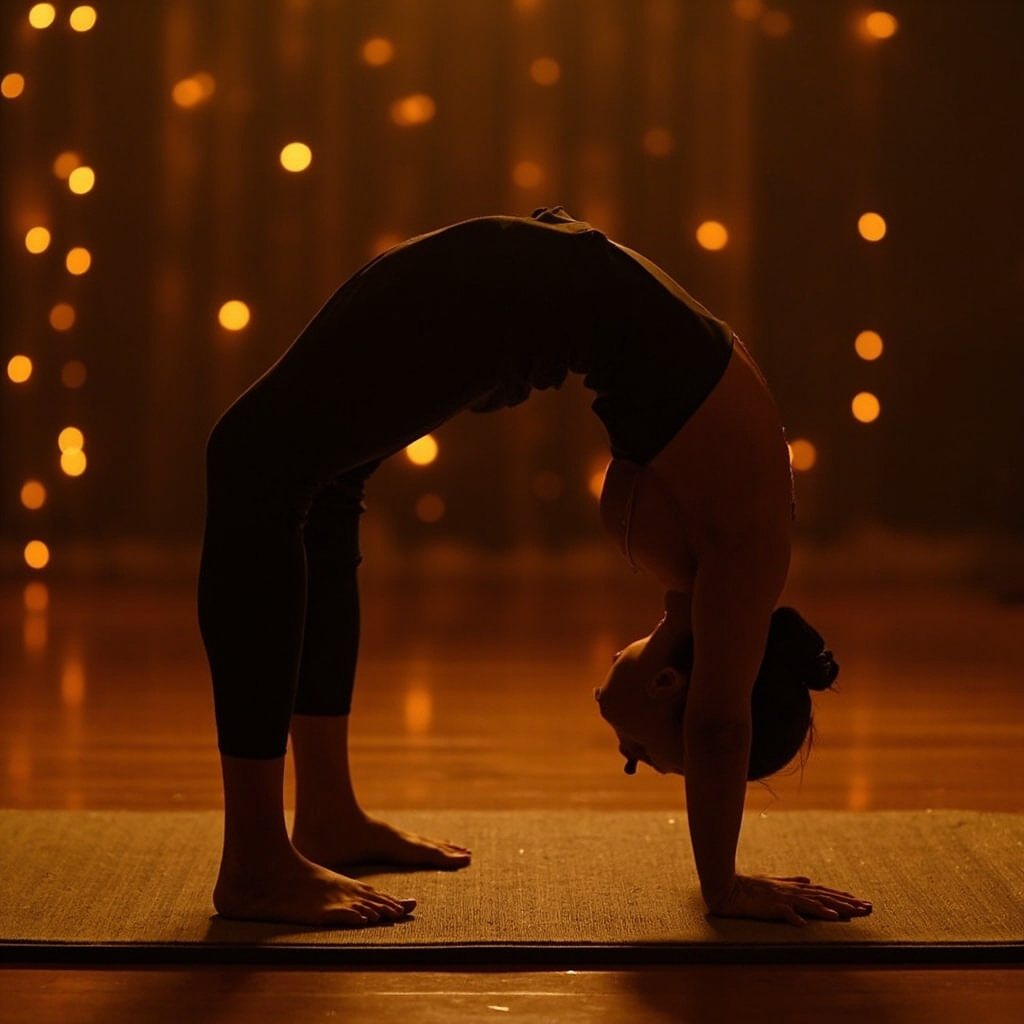
Do You Feel Like You Can Never Catch Your Full Breath?
Have you ever noticed that even when you are resting, your breathing feels shallow or trapped in your upper chest? Many people I work with as a fitness coach describe a persistent feeling of tightness, as if they are wearing an invisible corset that prevents them from taking a deep, satisfying breath. You might have tried deep breathing exercises, yoga, or even posture correction, yet the sensation of being stuck remains.
It is common to blame this on stress, lack of fitness, or just a busy lifestyle. You may have been told to simply relax more or work on your core strength. While these suggestions are well-intentioned, they often fail because they address the symptoms rather than the root cause hidden deep within your body's mechanics.
The Hidden Engine of Your Vitality
The diaphragm is the primary muscle responsible for your breathing. Located at the base of your lungs and heart, it is a dome-shaped structure that acts as the bridge between your thoracic cavity and your abdominal area. When it functions optimally, it moves rhythmically, allowing your lungs to expand fully.
However, the diaphragm is not just a pump for air; it is deeply connected to your nervous system. Research published in journals like Frontiers in Physiology indicates that respiratory patterns are intrinsically linked to our emotional state. When you experience chronic stress, fear, or anxiety, the diaphragm often enters a state of persistent tension. It becomes rigid, limiting your oxygen intake and locking your body into a constant state of alertness. This is why you cannot just force yourself to relax; the muscle itself has developed a pattern of restriction that requires a more precise approach to release.
Why Traditional Methods Often Fall Short
Most conventional approaches focus on the mechanical aspect of breathing, such as stretching or conscious breathing. While helpful, these methods often ignore the electrical activity and the subtle energetic imbalances that keep the diaphragm in a state of chronic contraction. If your nervous system is stuck in a loop of tension, your muscles will simply return to their restricted state regardless of how much you stretch.
This is where understanding your body's internal data becomes revolutionary. By looking at specific biomarkers, we can identify exactly why your diaphragm is holding onto tension. Is it a lack of structural support, or is it an emotional response to stress? When you identify the specific root cause, you can stop guessing and start applying the right stimulus to guide your body back to its natural, fluid state.
Restoring Your Natural Rhythm
To truly unlock your breathing, you need to go beyond standard exercise. Through the diaphragm analysis in our system, we can observe the electrical activity of this essential muscle. By recording your body's data, we can determine if your diaphragm needs more energy to function, or if it requires specific frequencies to release stored tension.
How We Help You Breathe Again
Once we understand the unique state of your diaphragm, we use three primary tools to restore balance:
- Harmonic Boosts: We apply targeted audio frequencies that resonate with the structure of the diaphragm. This helps the muscle 'remember' its natural, relaxed state, encouraging it to soften and expand.
- Personal Guide: These guided meditations are built specifically from your biomarker data. They provide the internal cues needed to shift your focus away from the sensation of restriction and toward the feeling of openness.
- Harmonizer: This device delivers gentle micro-currents driven by your real-time needs. It works on a physical level to support the muscle fibers, helping to break the cycle of rigidity that has been holding you back.
By integrating these tools, you are not just trying to breathe better; you are retraining your body to support your vitality from the inside out. Many users report that within a few weeks of consistent use, the feeling of tightness fades, replaced by a sense of ease and increased energy that carries over into their workouts and daily life.
Related posts
Glossary
- Energy and mind Structures > oxygen
- Energy and mind Structures > Focused Coherence; Focus
- Energy and mind Structures > Structure
- Energy and mind Structures > Sensation
- Energy and mind Structures > Rigidity
- Energy and mind Structures > Relax
- Body zones > lungs
- Body zones > diaphragm
- Body zones > muscles
- Body zones > respiratory
- Energy and mind Structures > vitality
- Energy and mind Structures > Stress
- Stimuli > Hepatitis G virus, Primary
- Stimuli > Moon - Nasal Passage, Breathing, Taste
- Binaural beats > Nervous System: A Program for Emotional Balance and Relaxation
- Stimuli > Heart