


Why Is Your Balance Off? The Hidden Cerebellum Link
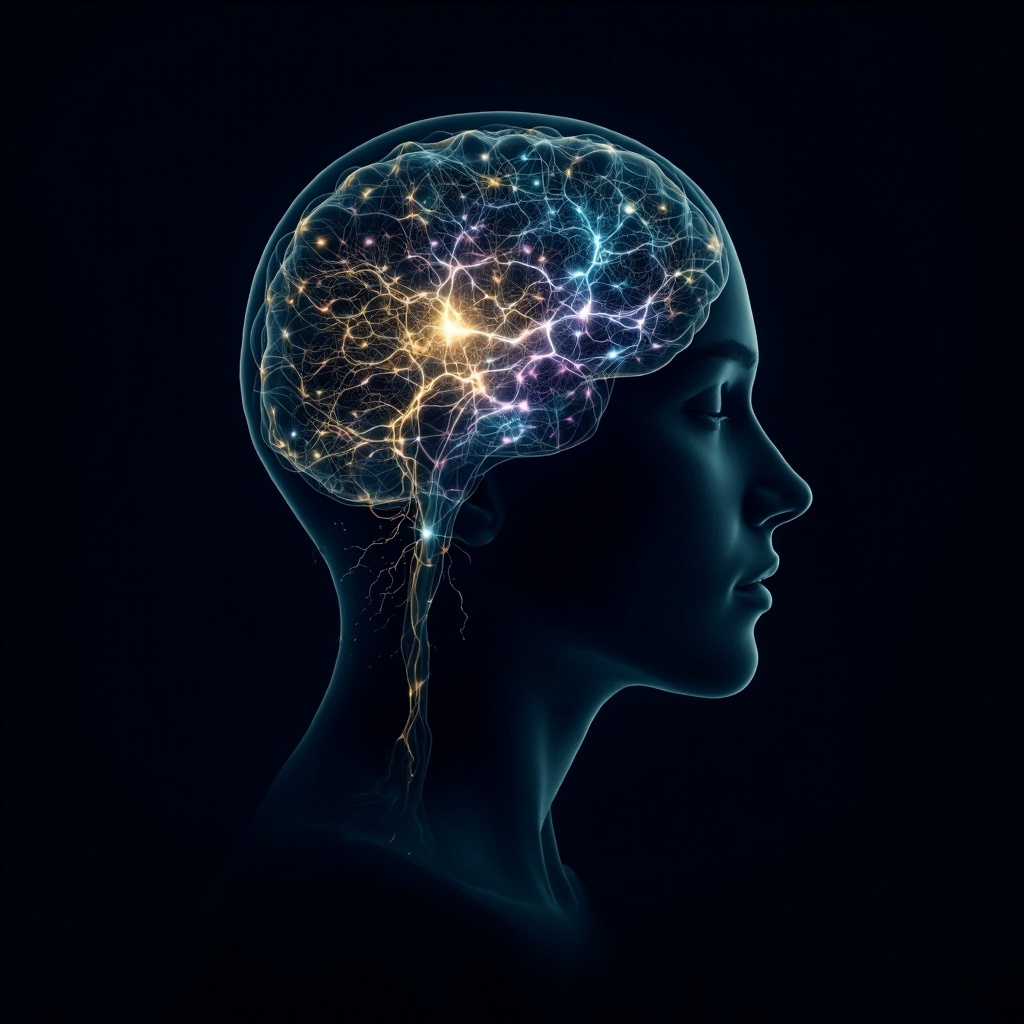
Why You Feel Unsteady and Scattered
Have you ever felt like you are physically or mentally off-kilter? Perhaps you find yourself stumbling over your own feet, struggling to focus on simple tasks, or feeling an unexplained sense of inner instability. You might have tried physical therapy, extra gym sessions, or even stress management techniques, yet that nagging feeling of being uncoordinated or "out of sync" remains. It is frustrating when your body does not seem to listen to your mind, and you are left wondering why your coordination and clarity are fading.
The Hidden Control Center
Most people focus on their muscles or their willpower when they feel weak or unsteady. However, the root cause often lies deeper, in a small but powerful structure at the back of your brain called the cerebellum. While famous for managing balance and voluntary movement, this area acts as a master coordinator for your entire system. When it is under stress, it does not just affect your gait; it impacts your emotional regulation and your ability to manage life's demands. Scientific research increasingly highlights how this area processes sensory information and helps maintain both physical posture and mental composure.
Why Conventional Approaches Often Fall Short
Standard fitness or wellness routines often treat the body as a collection of separate parts. They focus on strengthening a muscle or calming the breath in isolation. If your cerebellum is the source of the imbalance, these approaches often fail because they do not address the neurological "coordination signal" itself. Ignoring this underlying mechanism can lead to persistent fatigue and a feeling of being overwhelmed, as your brain works overtime to compensate for a lack of internal harmony.
Restoring Your Internal Coordination
To truly regain your balance, you must address the body's electrical activity at its source. This is where modern technology offers a new path. By analyzing the unique electrical signatures of your cerebellum, you can identify precisely where the coordination signals are breaking down. This is not about guessing; it is about visualizing the data points that govern your movement and stability.
How Personalized Frequencies Restore Harmony
Once the specific needs of your cerebellum are identified, you can use targeted audio frequencies and micro-currents to guide it back to its optimal state.
- Harmonic Boosts: These use specific frequencies to help the cerebellum resonate at its natural, healthy state, effectively tuning your brain like an instrument.
- Personal Guide: These daily meditations use language designed to direct your attention to your cerebellum, helping you consciously integrate your physical and emotional balance.
- Harmonizer: By applying gentle, real-time micro-currents, you can provide the physical support your system needs to stabilize movement and reduce the feeling of being scattered.
Many individuals who incorporate these methods report feeling a sense of groundedness they have not experienced in years. By treating the cerebellum as a primary resource rather than just a part of the brain, you unlock a hidden capacity for grace, efficiency, and calm. This is the future of self-development: moving beyond muscle and mindset to the very electrical foundation of who you are.
Related posts
Glossary
- Energy and mind Structures > Focused Coherence; Focus
- Energy and mind Structures > Regulation
- Energy and mind Structures > Structure
- Energy and mind Structures > Mental
- Energy and mind Structures > Wellness
- Energy and mind Structures > Willpower
- Body zones > muscles
- Body zones > cerebellum
- Energy and mind Structures > emotional balance
- Energy and mind Structures > movement
- Energy and mind Structures > Stress
- Stimuli > Hepatitis G virus, Primary
- Stimuli > Lead
- Stimuli > Harmony
- Stimuli > Brain