


Why Emotions Trigger Chronic Hives?
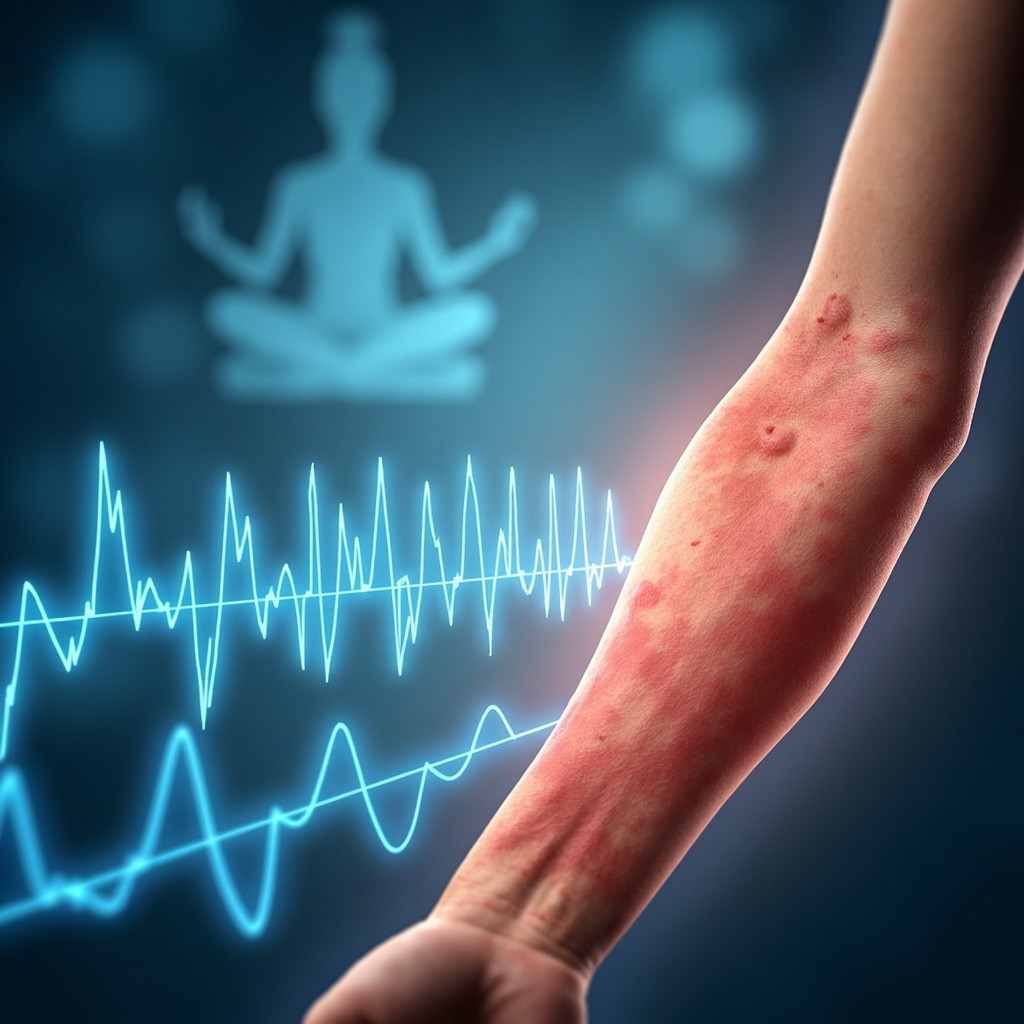
The Hidden Emotional Side of Chronic Hives
You know the frustration all too well. One moment your skin feels fine, the next it's covered in red, itchy welts that burn and swell. These chronic hives – also called urticaria – appear without warning, ruin your outfits, keep you up at night scratching, and make simple outings a nightmare. You've tried everything: antihistamines that work for a day or two, creams that sting more than soothe, even diets cutting out every possible allergen. But they keep coming back, especially when life gets tough.
You're Not Alone – This Is More Common Than You Think
Up to 1 in 5 people deal with hives at some point, and for many, they last over six weeks, turning into a chronic issue. The itching disrupts sleep, work, and relationships. Social events? You skip them to hide the bumps. Confidence takes a hit as you worry about what others think. And the worst part? Doctors often shrug, saying 'idiopathic' – meaning no clear cause. But deep down, you sense it's tied to your stress and emotions. That big argument, work deadline, or quiet anxiety bubbling under the surface – suddenly, the hives explode.
Why Your Usual Fixes Fall Short
Antihistamines block histamine, the chemical behind the itch, but they don't touch the root. Steroid creams calm inflammation temporarily, yet flares return stronger. Allergy tests come back negative for most chronic cases. You've changed soaps, fabrics, foods – nothing sticks. These band-aids fail because they ignore the deeper trigger: your body's stress response. When emotions run high, your nervous system signals mast cells to release more histamine, sparking hives. It's a vicious cycle – hives stress you out more, worsening the next outbreak.
A Surprising Connection: Mind Meets Skin
Recent research reveals the truth. Stress and anxiety don't just feel bad – they physically alter your skin. Studies show 40-80% of chronic hives patients pinpoint emotional upset as a major trigger. One 2025 study found psychological stress worsens symptoms and delays healing. Brain scans link chronic worriers to higher inflammation markers. Your gut-brain-skin axis is real: emotional turmoil disrupts hormones like cortisol, ramps up immune overreactions, and weakens skin barriers. Ever notice hives after grief, anger, or overwhelm? That's no coincidence.
The Real Cause You've Been Missing
It's not just 'stress' vaguely. Specific emotional patterns – suppressed anger, chronic worry, unresolved trauma – show up as biomarkers in your body's electrical signals. Heart rate variability (HRV), a measure of nervous system balance, drops low in hive sufferers. Poor HRV means poor emotional regulation, leading to flare-ups. Ignore this, and hives spread, itch intensifies, and mental fog sets in.
Why Past Efforts Haven't Worked – And What Happens If You Wait
Medications treat symptoms, not the emotional wiring. They fail because hives stem from autonomic imbalance – your fight-or-flight mode stuck on. A 2023 review tied low HRV to more frequent relapses. Without addressing emotions, hives persist for years, raising risks for anxiety disorders, sleep loss, and even depression.
Delaying action creates urgency: untreated chronic hives impair quality of life scores by 50%. Skin scars from scratching, self-esteem plummets, and the stress-hives loop tightens. But breakthroughs in mind-body science offer hope.
Beyond Pills: The Rise of Frequency and Biofeedback Healing
Enter non-drug options like biofeedback and vagal stimulation. HRV training – breathing to sync heart and breath – cuts stress by 30% in studies. Sound frequencies mimic healing vibrations, calming mast cells. Micro-currents gently nudge nerves, like acupuncture without needles. These beat pricey therapies ($200/session) or lifelong meds.
Introducing BioCoherence: Science-Backed Balance for Your Body and Mind
BioCoherence scans your body's electrical activity with a simple ECG sensor, revealing 1500+ biomarkers like Chronic Urticaria Emotional 20. This marker flags emotional imbalances driving hives, using Traditional Chinese Medicine points like TH17 for Qi flow, ST32 for thigh relief, and GV21 to clear the head (TCM Recipe).
How It Works – Simple Steps to Clear Skin
-
Exploration: Record 5 minutes of heart signals. App computes energy, agitation, and links in structures like skin and emotions.
-
Harmonic Boost: Personalized audio frequencies resonate with affected areas, reducing itch like tuning a radio to harmony. Play anytime for quick relief.
-
Personal Guide: 21-day daily meditation with words guiding you to emotional resources or priorities. E.g., 'Feel the calm in your skin as stress fades.' Changes daily for progress (Tutorials).
-
Harmonizer: Wearable applies micro-currents in real-time, targeting nerves for deep balance. Choose from 10,000+ programs.
This implements TCM and modern HRV science – frequencies match resonance, micro-currents stimulate points safely. Psychologists use it to track emotional shifts via biomarkers.
Real Results from Users
'Listening to frequencies unlocked 20-year-old emotions matching my scan. Hives faded as I processed them.' – AB, Croatia (Testimonials).
'Deep emotional release; crying during sessions healed without effort.' – Leon, UK.
Compared to $5,000 acupuncture courses, BioCoherence is accessible daily. 30-day risk-free trial.
Users Share Their Journeys
Sarah, 42: 'Hives plagued me for years, worse with work stress. After two weeks of Personal Guide, itching dropped 80%. HRV improved – I sleep better.'
Mark, 35: 'Emotional scans hit home. Harmonic Boost calmed flares in days; no more embarrassment.'
Break the cycle – scan, balance, thrive.
- 1. healthcmi.com
- 2. hmieducation.com
- 3. pmc.ncbi.nlm.nih.gov
- 4. youtube.com
- 5. mysaallergist.com
- 6. bmhsc.org
- 7. researchgate.net
- 8. pubmed.ncbi.nlm.nih.gov
- 9. sciencedirect.com
- 10. link.springer.com
- 11. youtube.com
- 12. heartmath.com
- 13. catstcmnotes.com
- 14. pmc.ncbi.nlm.nih.gov
- 15. clearhealthpsychology.com.au
- 16. goodrx.com
- 17. millcreekderm.com
- 18. pubmed.ncbi.nlm.nih.gov
- 19. allergyclinic.co.uk
- 20. pmc.ncbi.nlm.nih.gov
- 21. mdpi.com
- 22. pmc.ncbi.nlm.nih.gov
- 23. clame.nyu.edu
- 24. ncbi.nlm.nih.gov
- 25. eurekalert.org
- 26. shakticreativewellnesscenter.com
- 27. my.clevelandclinic.org
- 28. pmc.ncbi.nlm.nih.gov
- 29. pubmed.ncbi.nlm.nih.gov
- 30. connect.mayoclinic.org
- 31. pubmed.ncbi.nlm.nih.gov
- 32. medicalnewstoday.com
- 33. healthline.com
- 34. pubmed.ncbi.nlm.nih.gov
- 35. myartofwellness.com
- 36. youtube.com
- 37. pmc.ncbi.nlm.nih.gov
- 38. addermatology.com
- 39. eastential.com.au
- 40. metroacupuncture.com
- 41. biocoherence.net
- 42. pmc.ncbi.nlm.nih.gov
- 43. medium.com
- 44. jscimedcentral.com
Related posts
Glossary
- Energy and mind Structures > Regulation
- Energy and mind Structures > Mental
- Energy and mind Structures > Truth
- Energy and mind Structures > Grief
- Energy and mind Structures > Confidence
- Body zones > head
- Body zones > hormones
- Body zones > nerves
- Energy and mind Structures > ST32
- Energy and mind Structures > TH17
- Energy and mind Structures > GV21
- TCM Recipes > Allergy Relief: Natural Solutions for Respiratory Comfort
- TCM Recipes > Skin Health: Remedies for Acne and Eczema
- TCM Recipes > Chronic Urticaria Relief: Managing Stress and Itching
- TCM Recipes > Heart Health: Remedies for Anxiety and Palpitations
- TCM Recipes > Brain Boost: Clear Fog, Improve Focus & Memory
- TCM Recipes > Herbal Relief: A TCM Approach to Lift Your Mood
- Energy and mind Structures > sleep
- Energy and mind Structures > Theta; 4.31-6.97 Hz. Light sleep, meditation.
- Energy and mind Structures > Stress
- Stimuli > Cortisol
- Stimuli > Anxiety Disorders
- Stimuli > Moon - Nasal Passage, Breathing, Taste
- Binaural beats > Allergy Relief: Binaural Beats for Immune Balance
- Binaural beats > Inflammation Relief: Heal Faster with Binaural Beats
- Binaural beats > Trauma Healing: Binaural Beats for Emotional Balance
- Binaural beats > Nervous System: A Program for Emotional Balance and Relaxation
- Stimuli > Stimulate
- Stimuli > Hives
- Stimuli > Harmony
see also...
- Energy and mind Structures > HRV
- Energy and mind Structures > Body zones > plasma
- Energy and mind Structures > TCM Recipes > Spleen Health: A Simple Recipe for Digestive Strength
- Testimonials > 61% Drop in Nausea and 58% in Headaches from Sound Therapy
- Binaural beats > Stimuli > Sacral, Zinc Etc
- Binaural beats > Transmutation: A Sound Journey for Personal Change