


Tight Chest Anxiety: Intercostal Muscles?
Ever Feel a Band Around Your Chest?
You take a breath, but it feels shallow and stuck. Your chest tightens, especially when worry creeps in. Anxiety surges, and suddenly, even simple tasks feel overwhelming. If this sounds familiar, you're not alone. Many people describe it as a vice grip on their ribs, making them feel suffocated or trapped.
This isn't just 'in your head.' It's a physical sensation tied to your body's response to everyday pressures. Work deadlines, family tensions, or lingering fears can trigger it without warning. You've probably noticed it worsens at night or during quiet moments when thoughts race.
You've Tried Fixing It, But It Keeps Coming Back
Deep breathing exercises from apps or yoga classes promise relief. Maybe you've seen a doctor who checked for asthma or heart issues-nothing major shows up. Massages help temporarily, but the tightness returns. Therapy touches on emotions, yet the physical squeeze persists.
These approaches validate your struggle but often miss the root. Standard fixes target symptoms, not the intertwined body-mind loop keeping the tension alive. No wonder it feels frustrating, like pushing against a wall.
The Hidden Role of Intercostal Muscles
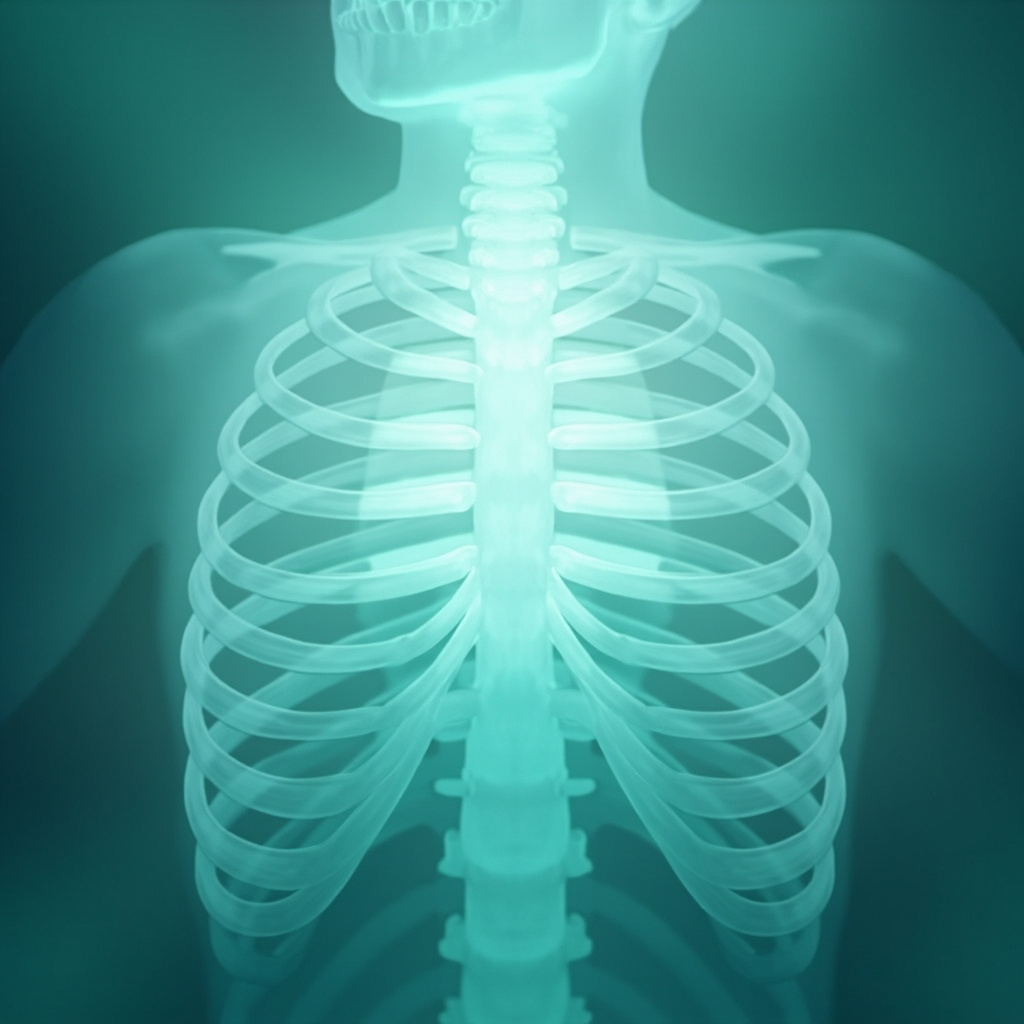
Meet your intercostal muscles-the thin bands between your ribs that expand your chest for full breaths. Learn more about them here. When stressed, these muscles clench, restricting air flow. This leads to shallow breathing, which starves your brain of oxygen and amps up anxiety.
What sparks this? Emotional loads like feeling overwhelmed by responsibilities or avoiding tough talks. It's as if your body holds onto 'unspoken burdens,' mirroring inner conflict with physical restriction. Curious how a simple breath turns into this cycle?
How Stress Locks Muscles in Tension
Stress floods your system with hormones, signaling 'danger.' Muscles brace: intercostals tighten first since breathing shifts to survival mode-quick, upper-chest puffs instead of deep belly breaths. This reduces lung capacity, drops oxygen levels, and signals more stress to your brain.
Heart rate variability (HRV) drops too-a key sign of poor stress resilience. Low HRV means your nervous system struggles to calm down, perpetuating agitation and foggy focus.
Why did past efforts fail? They relaxed muscles briefly but ignored emotional triggers and energy imbalances sustaining the tension. Surface fixes can't break the loop.
Studies Confirm the Mind-Body Link
Research shows respiratory muscle tension generates panic-like symptoms. One study found heightened activity in intercostal muscles among those prone to anxiety, contributing to breathlessness sensations (PubMed study).
Anxiety sites note rib tightness from hyperventilation and muscle guarding during stress (Anxiety Centre). Shallow breathing worsens fatigue, mood dips, and even cardiovascular strain over time.
Ignore it, and chronic tension leads to persistent fatigue, weakened immunity, sleep issues, and escalating emotional strain. Early patterns hint at deeper imbalances-act now to prevent worsening.
A New Path: Targeted Body Resonance Therapies
Traditional options like endless therapy sessions or meds cost thousands yearly and may not address muscle specifics. Physical therapy runs $100+ per visit, with hit-or-miss results.
Enter biofeedback tools using your body's electrical signals for precise balancing. These scan biomarkers to pinpoint issues like intercostal agitation, then apply gentle frequencies to restore harmony-far more efficient than generic exercises.
Imagine tech revealing your unique stress patterns, guiding relaxation where it counts. This builds anticipation for measurable shifts in breathing ease and calm.
BioCoherence: Science-Backed Implementation
BioCoherence software fits this perfectly. Record your full-body electrical activity with a simple ECG sensor-an exploration computes 1500+ biomarkers, spotlighting intercostal energy, agitation, and emotional links.
Harmonic Boosts use personalized audio frequencies to make intercostals resonate smoothly, easing tension. Structures target breathing expansion; stimuli guide toward calm goals.
Personal Guide offers daily 21-day programs with guided words: 'Feel your intercostal muscles as a resource, opening space for free breath and emotional release.' Frequencies enhance the inner journey.
Harmonizer delivers real-time micro-currents via a device, balancing priorities on demand from vast libraries.
Experts endorse: Psychologists use it to track HRV gains alongside emotional progress. Compared to $5K/year therapy, a sensor and app subscription is accessible. 30-day trials remove risk.
Real Stories from Users Like You
"My chest band eased after two explorations-breathing deepened, anxiety faded in weeks." – A. M., office worker struggling with deadlines.
"HRV improved noticeably; no more trapped feeling during stress." – J. L., after menopause mood shifts.
"Guided sessions addressed my fear of speaking up-ribs relaxed, clarity returned." – S. K., 3 months in.
These aren't miracles; they're consistent biomarker-driven changes, mirroring your struggles.
Balancing Intercostal Muscles with BioCoherence
New to frequency healing? It's like tuning a radio to your body's natural vibes. Micro-currents are tiny electrical nudges, safe as TENS units. Guided meditations pair words with sounds for deeper impact.
Start at BioCoherence tutorials for exploration guides and program tips. Testimonials share journeys like yours.
When intercostals are a priority, Personal Guide directs: 'Release burdens held in your chest.' As a resource, it supports oxygenation for whole-body calm.
Track progress: Rising HRV, freer breaths, less agitation. Join thousands optimizing emotional health this way.
- 1. integratedsportsandspinalclinic.com
- 2. pubmed.ncbi.nlm.nih.gov
- 3. healthpartners.com
- 4. buteykoclinic.com
- 5. osmosis.org
- 6. thefasciahub.com
- 7. pubmed.ncbi.nlm.nih.gov
- 8. journals.physiology.org
- 9. researchgate.net
- 10. anxietycentre.com
- 11. headspace.com
- 12. schoolofanxiety.com
- 13. frontiersin.org
- 14. pubmed.ncbi.nlm.nih.gov
- 15. pubmed.ncbi.nlm.nih.gov
- 16. expresserwaco.com
- 17. medlineplus.gov
- 18. my.clevelandclinic.org
- 19. pubmed.ncbi.nlm.nih.gov
- 20. mdpi.com
- 21. pmc.ncbi.nlm.nih.gov
- 22. pubmed.ncbi.nlm.nih.gov
- 23. myofascialmississauga.com
- 24. pmc.ncbi.nlm.nih.gov
- 25. mdpi.com
- 26. medicalnewstoday.com
- 27. physio-pedia.com
- 28. pubmed.ncbi.nlm.nih.gov
- 29. int.livhospital.com
- 30. humanfactors.jmir.org
- 31. massagematters.clinic
- 32. pubmed.ncbi.nlm.nih.gov
- 33. calmclinic.com
- 34. pmc.ncbi.nlm.nih.gov
- 35. betterhealth.vic.gov.au
- 36. pmc.ncbi.nlm.nih.gov
- 37. pubmed.ncbi.nlm.nih.gov
- 38. biomedpharmajournal.org
- 39. va.gov
- 40. lightfully.com
- 41. pubmed.ncbi.nlm.nih.gov
- 42. blairwellnessgroup.com
Related posts
Glossary
- Energy and mind Structures > oxygen
- Energy and mind Structures > Focused Coherence; Focus
- Energy and mind Structures > Sensation
- Energy and mind Structures > Immunity
- Body zones > head
- Body zones > hormones
- Body zones > muscles
- Body zones > intercostal
- Body zones > respiratory
- Body zones > chest
- TCM Recipes > Breathe Easy: Relief for Asthma Symptoms
- TCM Recipes > Heart Health: Remedies for Anxiety and Palpitations
- TCM Recipes > Lung Support: A TCM Recipe for Respiratory Health
- TCM Recipes > Brain Boost: Clear Fog, Improve Focus & Memory
- TCM Recipes > Muscle Relief: A Simple Guide to Alleviating Tension
- TCM Recipes > Boost Your Energy: A TCM Recipe for Fatigue Relief
- Energy and mind Structures > sleep
- Energy and mind Structures > Stress
- Stimuli > Moon - Nasal Passage, Breathing, Taste
- Binaural beats > Nervous System: A Program for Emotional Balance and Relaxation
see also...
- Energy and mind Structures > HRV
- Energy and mind Structures > Body zones > substantia nigra
- Energy and mind Structures > TCM Recipes > Tension Headache Relief: A Natural Approach to Ease Stress
- Testimonials > 61% Drop in Nausea and 58% in Headaches from Sound Therapy
- Binaural beats > Stimuli > Moon - Nasal Passage, Breathing, Taste
- Binaural beats > Transmutation: A Sound Journey for Personal Change