


Is Stress Dysregulating My Blood Pressure?
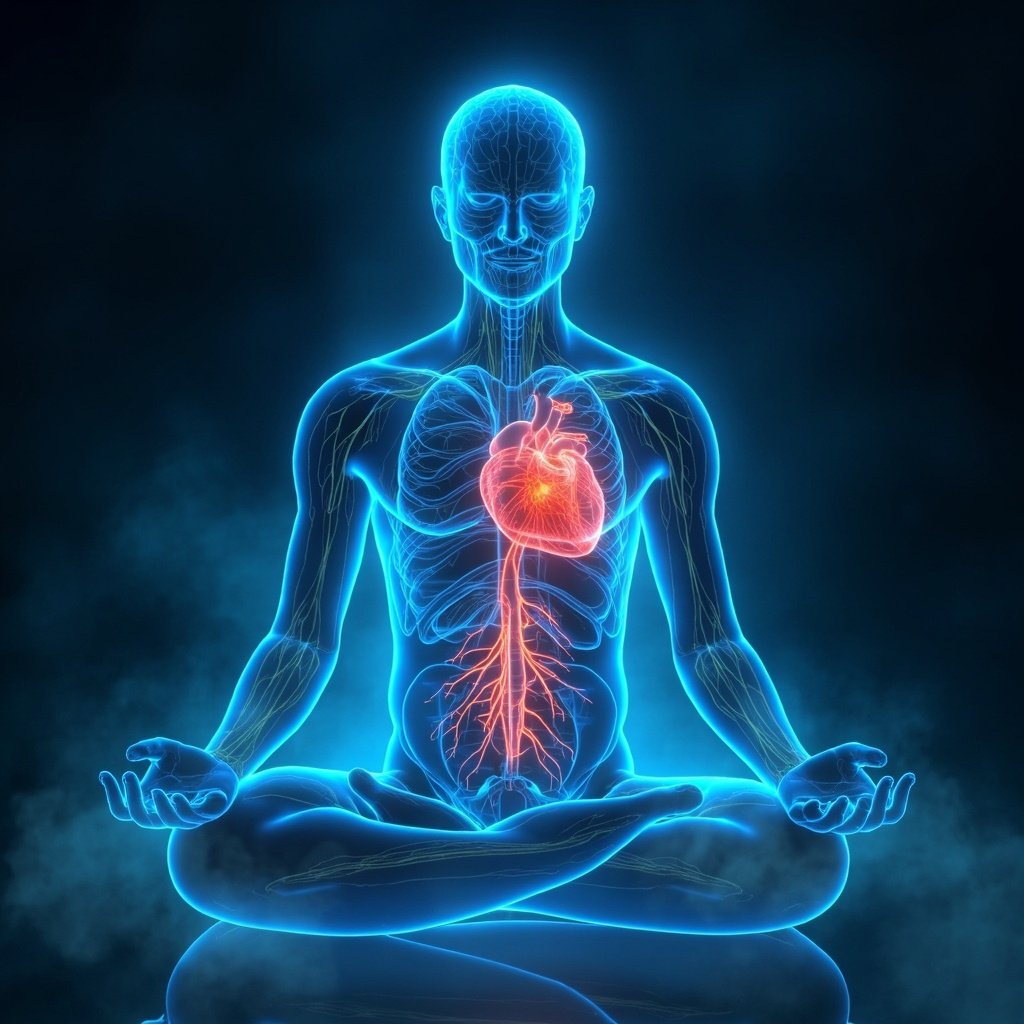
Do You Feel Constantly on Edge, Even at Rest?
You sit down after a long day, but your heart races. Your blood pressure reading at the doctor's office is higher than last time, or your home monitor shows spikes without warning. Maybe you wake up tired, feeling tense, like your body is always preparing for danger. Fear, subtle worries, or that nagging sense of threat lingers, making relaxation feel impossible.
This is more common than you think. Many people describe it as 'always being wired,' with headaches, chest tightness, or fluctuating energy. If this sounds like you, you're not alone. It's your body's sympathetic control of blood pressure signaling distress.[/body/15-Bloodpressuresympatheticcontrol.html]
You've Tried Everything, But It Keeps Coming Back
Diet changes, exercise routines, even medications or breathing apps provide short-term relief. You cut salt, walk daily, try yoga. Yet, your blood pressure yo-yos. Stress management books gather dust, and therapy sessions help the mind but not the stubborn readings.
Why? These approaches often miss the deeper regulator in your autonomic nervous system. You've built trust in quick fixes, but they fail because the root isn't addressed. This creates frustration and self-doubt: 'Am I not trying hard enough?'
The Real Culprit: Overactive Sympathetic Control
Hidden in your brainstem and spinal cord lies the blood pressure sympathetic control center. It constricts blood vessels and adjusts heart rate to keep pressure stable during activity or stress. Perfectly tuned, it protects you.
But under chronic stress, it overactivates. Emotions like fear or perceived threats trigger prolonged 'fight-or-flight.' Your vessels stay tight, heart pumps harder, pressure rises. This isn't just physical-it's tied to emotional states where your body senses constant danger.
Curiosity builds: What keeps it stuck? Unresolved conflicts or daily pressures reprogram this control, ignoring rest signals.
How It Works: The Stress-Blood Pressure Loop
Your sympathetic nerves signal vessels to narrow (vasoconstriction) and heart to speed up. In balance, the parasympathetic calms it. But stress tips the scale.
Studies show this link clearly. Research in Hypertension journal explains the sympathetic system's role in blood pressure regulation, especially under stress. Another from Mayo Clinic notes stress spikes blood pressure short-term, but chronic activation leads to lasting hypertension. A PMC study ties trait anxiety to higher sympathetic nerve activity and elevated pressure.
Heart rate variability (HRV) drops as a key sign-low HRV means poor stress resilience, confirming overcontrol.
Previous fixes failed because they treat symptoms: meds relax vessels temporarily, exercise burns stress but doesn't rewire nerves. No blame-you didn't know the neural root.
Urgency matters: Untreated, it raises heart disease, stroke risk, fatigue worsens. Early signs like poor sleep or mood dips snowball.
Beyond Traditional Fixes: Targeted Nervous System Balance
Enter autonomic retraining tools like biofeedback and frequency-based therapies. These directly influence sympathetic pathways, unlike general relaxation.
Compare to alternatives: Cardiologist visits ($200+ per), long-term meds with side effects (thousands yearly), or intensive therapy ($150/hour). Expensive, time-heavy.
Newer methods use your body's electrical signals for precise tuning-safe, home-based.
BioCoherence: Grounded in Physiology for Real Change
BioCoherence applies this science via simple tools. Record your body's electrical activity with an ECG sensor for an exploration-over 1500 biomarkers emerge, spotlighting sympathetic control issues.
Harmonic Boosts resonate structures with frequencies, calming overactivity. Personal Guide offers daily guided meditations with targeted audio, using words to engage this control as a resource for blood flow balance or address as a priority. Harmonizer delivers micro-currents real-time.
Experts endorse: Psychologists use biomarkers like HRV for emotional tracking, mirroring my approach. Price? Affordable vs. specialists, with progress measurable.
Risk-free: Trends show improvements.
Real Stories: Progress in Weeks
'After scans, frequencies unlocked repressed stress; emotions matched exactly, blood pressure stabilized.' - AB, coach.
'I played a balance program; unexpected tears brought release, energy evened out.' - Leon, UK.
Hip pain gone, balance improved-subtle shifts like easier movement. - Laura Kuhl.
These aren't perfect; one noted initial adjustment, but in 2-3 weeks, calmer state, better readings. Relatable: Racing mind to restful nights.
Balancing Blood Pressure Sympathetic Control with BioCoherence
New to BioCoherence? It's software analyzing your electrical activity for personalized balance. No tech jargon: Record via sensor (easy as ECG), get biomarkers like blood pressure sympathetic control-energy, agitation, links shown clearly.[/body/15-Bloodpressuresympatheticcontrol.html]
If low energy or high agitation, it's a priority; build programs. As resource, it aids organs with steady flow.
Harmonic Boost: Post-exploration or Basic Programs, structures resonate, stimuli guide goals like calm pressure.
Personal Guide: 21-day evolving audio, texts invoke: 'Feel your sympathetic control steadying blood flow, easing threat.' Changes daily per your data.
Harmonizer: Micro-currents from app, on-demand or catalog.
Tutorials guide: [biocoherence.net/tutorials]. Testimonials prove shifts.
Track HRV, agitation-measurable emotional gains. Start simple, see resilience build.
- 1. link.springer.com
- 2. blog.ultrahuman.com
- 3. ubiehealth.com
- 4. onlinelibrary.wiley.com
- 5. pmc.ncbi.nlm.nih.gov
- 6. mayoclinic.org
- 7. sciencedaily.com
- 8. hmlfunctionalcare.com
- 9. ouraring.com
- 10. en.wikipedia.org
- 11. justintimemedicine.com
- 12. pmc.ncbi.nlm.nih.gov
- 13. biocoherence.net
- 14. whoop.com
- 15. physio-pedia.com
- 16. youtube.com
- 17. journals.physiology.org
- 18. pmc.ncbi.nlm.nih.gov
- 19. pmc.ncbi.nlm.nih.gov
- 20. ahajournals.org
- 21. firststepschiropractic.com
- 22. my.clevelandclinic.org
- 23. healthcare-bulletin.co.uk
- 24. insightcla.com
- 25. pmc.ncbi.nlm.nih.gov
- 26. nba.uth.tmc.edu
- 27. drakeinstitute.com
- 28. sciencedirect.com
- 29. mdanderson.org
- 30. academic.oup.com
- 31. biocoherence.net
- 32. seslhd.health.nsw.gov.au
- 33. nature.com
- 34. pmc.ncbi.nlm.nih.gov
- 35. pmc.ncbi.nlm.nih.gov
- 36. pmc.ncbi.nlm.nih.gov
- 37. researchgate.net
- 38. ahajournals.org
- 39. my.clevelandclinic.org
- 40. frontiersin.org
- 41. sciencedirect.com
- 42. tandfonline.com
- 43. ahajournals.org
- 44. pmc.ncbi.nlm.nih.gov
- 45. digitalcommons.library.uab.edu
Related posts
Glossary
- Energy and mind Structures > Regulation
- Energy and mind Structures > Scale
- Energy and mind Structures > Relax
- Body zones > Blood pressure sympathetic control
- Body zones > nerves
- Body zones > parasympathetic
- Body zones > senses
- Body zones > tears
- Body zones > chest
- Energy and mind Structures > Organs
- TCM Recipes > Hypertension: Remedies for High Blood Pressure Relief
- TCM Recipes > Heart Health: Remedies for Anxiety and Palpitations
- TCM Recipes > Blood Pressure Balance: Remedies for Dizziness & Headache
- TCM Recipes > Boost Your Energy: A TCM Recipe for Fatigue Relief
- Energy and mind Structures > sleep
- Energy and mind Structures > blood pressure
- Energy and mind Structures > movement
- Energy and mind Structures > Stress
- Stimuli > Moon - Nasal Passage, Breathing, Taste
- Stimuli > AIDS
- Stimuli > Pain
- Stimuli > Burns
- Binaural beats > Spinal Cord Support: Enhance Wellness and Emotional Balance
- Binaural beats > Nervous System: A Program for Emotional Balance and Relaxation
- Binaural beats > Blood Vessels & Arteries: Boost Circulation & Well-Being
- Stimuli > Stroke
- Stimuli > Heart Disease
- Stimuli > Blood
see also...
- Energy and mind Structures > HRV
- Energy and mind Structures > Body zones > substantia nigra
- Energy and mind Structures > TCM Recipes > Tension Headache Relief: A Natural Approach to Ease Stress
- Testimonials > 61% Drop in Nausea and 58% in Headaches from Sound Therapy
- Binaural beats > Stimuli > Variolinum
- Binaural beats > Blood Vessels & Arteries: Boost Circulation & Well-Being