


Why Winter Depression Causes Lethargy
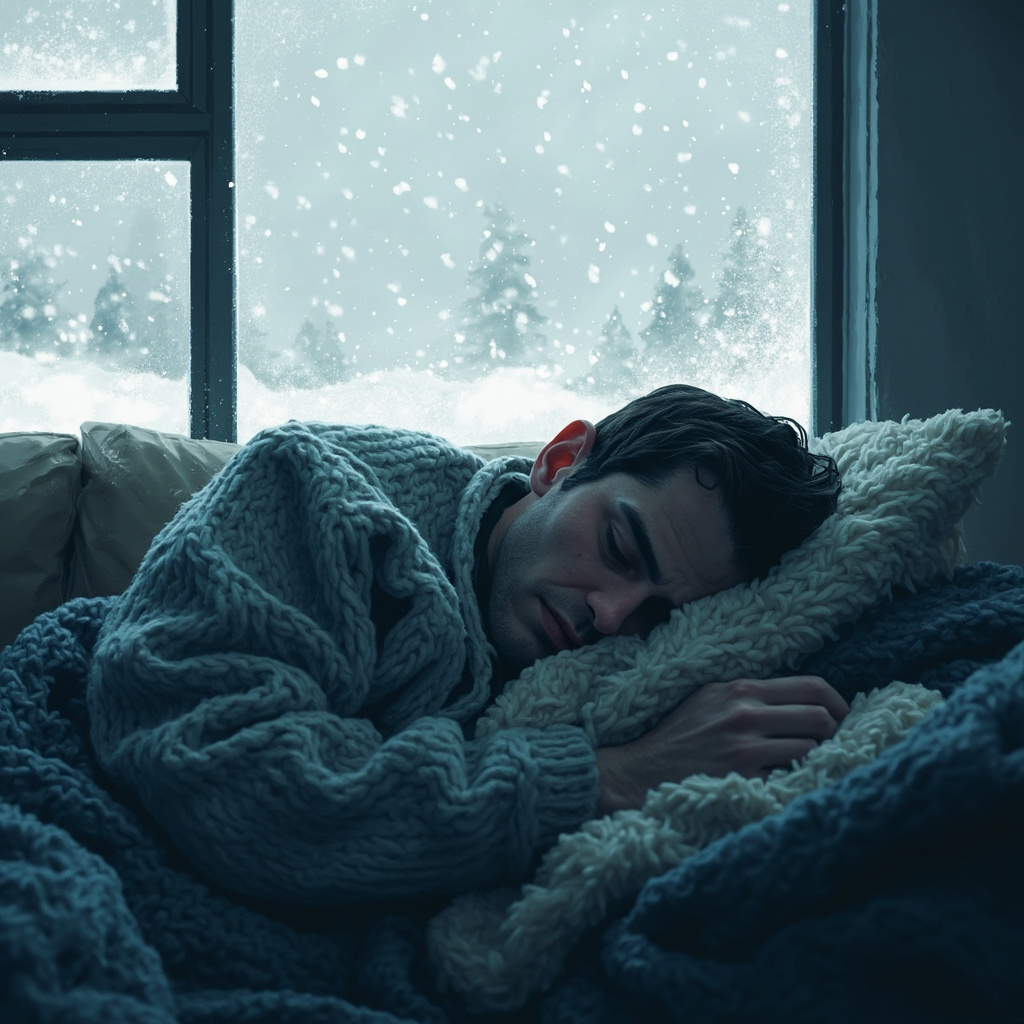
Why Do I Feel So Lethargic in Winter?
Winter arrives, and suddenly your energy vanishes. You drag yourself out of bed, but the day feels endless. Low mood settles in like fog, and even simple tasks seem impossible. This is more than cabin fever-it's a common struggle called winter depression, or seasonal affective disorder (SAD). About 5% of adults face it each year, with symptoms like lethargy, lack of motivation, and constant fatigue.
You know the signs: Oversleeping yet never rested, craving carbs, withdrawing from friends, and a persistent sense of gloom. These hit hardest in darker months when sunlight fades. Research from the National Institute of Mental Health shows it affects mood-regulating chemicals in the brain, starting in fall and lasting through winter.
You've Tried the Usual Fixes-Why Don't They Stick?
Light therapy boxes? Check. More exercise? Tried it. Vitamin D supplements or talking to a friend? Done that too. Yet the winter blues return stronger each year. You're not alone-many feel seen in this cycle, validating that it's real, not just "laziness."
Failed attempts build frustration. Gym memberships gather dust because motivation won't spark. Light lamps help briefly, but the drain persists. This builds trust in seeking deeper answers.
The Real Culprit: Hidden Body Signals
New research reveals it's not just less sun. Your body's electrical rhythms-subtle signals from heart, nerves, and organs-get disrupted. In winter, patterns emerge showing stuck energy in key areas: the chest (holding emotions), liver (regulating flow), and lower abdomen (vitality source).
Think of it like a traffic jam in your body's wiring. Traditional Chinese medicine identifies spots like the chest-rib area (for emotional release), liver channels (to smooth anger or stagnation), and nurturing points (to rebuild drive). Recent studies, like those on serotonin drops from Mayo Clinic, confirm reduced sunlight lowers mood chemicals, amplifying these blocks.
Curiosity sparks: What if these signals explain your exact struggle?
How These Signals Work-and Why Others Fail
Your body runs on electrical pulses, measurable like an ECG. Winter shortens days, boosting melatonin (sleep hormone) and dropping serotonin (mood lifter). This imbalances heart rate variability (HRV)-a key sign of stress resilience-and traps energy.
Previous tries fail because they treat surface: light boosts serotonin temporarily, but ignores electrical blocks. A 2025 Guardian study tracked cohorts, finding sleep and light help, but root biology needs addressing. Without it, symptoms worsen: fatigue turns chronic, motivation vanishes long-term.
Urgency: Ignore it, and spring brings no relief-SAD can linger, per a 2026 New York Times report on March slumps.
Beyond Pills: A Smarter Path
Expensive therapy or meds? They work for some, but cost thousands yearly with side effects. Alternatives like acupuncture target points but need experts.
Enter frequency-based balancing: using sound waves matching your body's rhythms. Cheaper than ongoing therapy, it resonates blocks directly.
Anticipation builds-what tool implements this science?
BioCoherence: Your Body's Electrical Map to Balance
BioCoherence reads your body's electrical activity with a simple sensor, like a heart monitor. It computes over 1,500 biomarkers-personal data points revealing imbalances like Winter Depression 6.
This specific pattern flags winter low mood: blocked chest emotions (GB24 point), liver soothing (LR2, LR8), abdomen support (Ly8), and chest opening (CV19). It uplifts energy naturally. Learn more about this recipe.
Three Ways It Restores You
-
Harmonic Boost: Personalized audio frequencies make stuck areas resonate. Play tracks targeting liver flow or chest release-listen while relaxing.
-
Personal Guide: Daily 21-day program with guided meditations. Words direct you to priorities (e.g., "Feel your chest open") paired with frequencies for emotional journeys.
-
Harmonizer: Wearable applies gentle micro-currents in real-time, driven by your scan. Like acupuncture, but app-controlled from 10,000+ programs.
As a meditation coach, I love how it tracks HRV and stress biomarkers. Low HRV? Suggest breathwork. High agitation? Tailored mindfulness. Explore tutorials for modules like these.
Science Meets Practice
Frequencies work by matching natural resonances-proven in sound therapy studies for mood. Micro-currents mimic acupuncture, boosting circulation without needles. Backed by TCM wisdom on points like LR2 for liver calm.
Expert nod: Pioneers like Dan Winter link heart coherence to emotional balance via electrical harmony.
Price? Affordable vs. therapy-sensor and app subscription beat yearly costs.
Risk-free: Try explorations, see biomarkers shift.
Real Stories from Users
"The frequencies unlocked repressed emotions from years ago." - AB, life coach client.
"Playing balance programs led to deep emotional release-I cried and healed without trying." - Leon, Ireland.
"Detected my emotional state accurately; meditations shifted my mood positively." - Laura K., USA.
Tie it to your practice: Scan, balance, meditate. Winter energy returns.
- 1. biocoherence.net
- 2. news.uams.edu
- 3. facebook.com
- 4. youtube.com
- 5. takingcharge.csh.umn.edu
- 6. bodyactivehealth.com.au
- 7. biocoherence.net
- 8. medichecks.com
- 9. biocoherence.net
- 10. morningsideacupuncturenyc.com
- 11. acaacupuncture.com
- 12. psychologytoday.com
- 13. instagram.com
- 14. instagram.com
- 15. instagram.com
- 16. biocoherence.net
- 17. ama-assn.org
- 18. instagram.com
- 19. scribd.com
- 20. blogs.und.edu
- 21. pmc.ncbi.nlm.nih.gov
- 22. clinicaltrials.gov
- 23. pmc.ncbi.nlm.nih.gov
- 24. itmonline.org
- 25. mind.org.uk
- 26. biocoherence.net
- 27. biocoherence.net
- 28. medicine.yale.edu
- 29. nimh.nih.gov
- 30. biocoherence.net
- 31. heraldopenaccess.us
- 32. hopkinsmedicine.org
- 33. purespadirect.com
- 34. facebook.com
- 35. instagram.com
- 36. cerebral.com
- 37. acupuncturetoday.com
- 38. biocoherence.net
- 39. theguardian.com
- 40. yinyanghouse.com
- 41. frontiersin.org
- 42. alibaba.com
- 43. nytimes.com
- 44. nhpr.org
- 45. instagram.com
- 46. mayoclinic.org
- 47. uchicagomedicine.org
Related posts
Glossary
- Energy and mind Structures > Mental
- Energy and mind Structures > Love
- Body zones > nerves
- Body zones > chest
- Body zones > face
- TCM Recipes > Emotional Balance: A TCM Guide to Calm Anxiety & Insomnia
- TCM Recipes > Winter Mood Boost: Remedies for Low Energy & Motivation
- TCM Recipes > Circulation: Boost Energy and Warm Your Extremities
- TCM Recipes > Liver Health: A TCM Recipe for Balance and Calm
- TCM Recipes > Heart Health: Remedies for Anxiety and Palpitations
- TCM Recipes > Brain Boost: Clear Fog, Improve Focus & Memory
- TCM Recipes > Herbal Relief: A TCM Approach to Lift Your Mood
- TCM Recipes > Boost Your Energy: A TCM Recipe for Fatigue Relief
- Energy and mind Structures > sleep
- Energy and mind Structures > Theta; 4.31-6.97 Hz. Light sleep, meditation.
- Energy and mind Structures > Stress
- Stimuli > Serotonin
- Stimuli > Harmony
- Stimuli > Melatonin
- Stimuli > Vitamin D