


Why Hindbrain Stress Causes Dizziness?
Do You Feel Dizzy, Unsteady, or Gripped by Fear?
Imagine standing up and the room spins. Or walking and suddenly feeling off-balance, like the ground might vanish. Add a constant undercurrent of fear-not for any clear reason, but a deep sense of insecurity about safety or survival. These symptoms disrupt daily life: driving becomes scary, exercise feels risky, even simple tasks like cooking stir worry.
Many people live with this. Dizziness hits without warning, balance problems make stairs a challenge, and coordination slips turn sports or chores into struggles. Emotional ties run deep-feelings of vulnerability or unsupported survival instincts amplify it all. If this sounds familiar, you are not alone. These are signs your body sends when something core is out of sync.
You've Tried Fixes, But Nothing Lasts
You might have seen doctors for vertigo meds, tried physical therapy for balance exercises, or even vestibular rehab. Friends suggest ginger tea or ear crystals fixes. Yet symptoms return, worse after stress. Why? Common approaches target symptoms-spinning sensations or wobbles-but miss the root. Diets, supplements, or quick yoga sessions help briefly, then fade. You wonder if it's aging, inner ear issues, or just 'how it is.' Trust builds when past efforts are validated: you've done the work, but surface fixes can't touch deeper causes.
Meet Your Hindbrain: The Unsung Survival Center
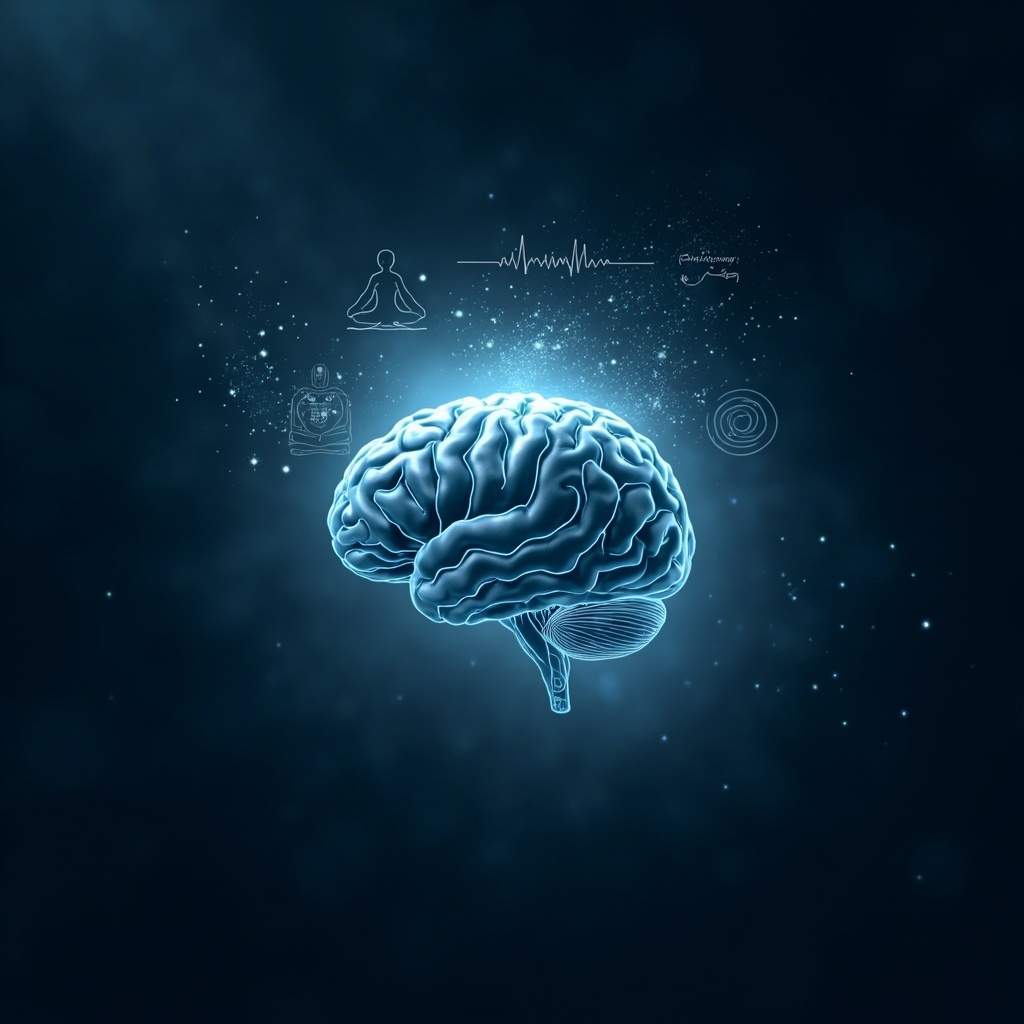
At the base of your brain, tucked in the lower back, sits the hindbrain. It includes the medulla (controls heartbeat and breathing), pons (bridges signals for movement), and cerebellum (fine-tunes balance and coordination). This ancient part keeps you alive: steady breath in panic, heart pumping under load, smooth steps on uneven ground.
But stress hits hard here. Everyday pressures-job loss fears, family strains, global uncertainties-trigger survival instincts. The hindbrain senses threat, ramps up alerts. Result? Dizziness from ragged breathing, imbalance from tense coordination, fear from overactive instincts. Learn more about the hindbrain.
How Emotional Stress Overloads the Hindbrain
Stress floods your system with signals. The hindbrain, wired for quick survival, mistakes emotional insecurity for physical danger. Heart rate spikes unevenly (low HRV, a measure of nervous system flexibility), breathing shallows, muscles misfire. Studies show chronic stress links to vestibular issues-dizziness and imbalance-via brain-body loops. One review notes emotional distress worsens balance disorders, creating a cycle: fear tightens muscles, poor coordination feeds more fear.
Research backs this. Heart rate variability (HRV) drops in stressed states, harming hindbrain functions like rhythm regulation. Meditation studies confirm: low HRV ties to anxiety and poor emotional control, often rooted in brainstem areas like the hindbrain.
Why Your Past Efforts Didn't Stick
Therapies fix mechanics but ignore emotions. Pills calm symptoms temporarily; exercises build strength without easing fear. Without addressing survival stress-that gnawing 'am I safe?'-the hindbrain stays vigilant. Blame shifts from you to the mismatch: surface tools versus deep wiring.
The Risk of Ignoring It: Why Act Now
Unchecked, hindbrain strain escalates. Dizziness leads to falls, isolation from activities, depression from lost freedom. Cardiovascular risks rise with erratic heart signals; coordination loss hints at bigger nerve issues. Early intervention prevents this-restoring balance literally and emotionally.
Restore Hindbrain Harmony with BioCoherence
BioCoherence offers a fresh path: analyze your body's electrical activity to pinpoint hindbrain imbalances, then balance them precisely. New to this? It's simple science meets ancient wisdom.
Step 1: Uncover Your Unique Signals
Using an ECG sensor (like a smartwatch or clip-on device), record a short full-body scan. BioCoherence computes 1500+ biomarkers, including hindbrain energy, agitation, and emotional links. Is your hindbrain a drained resource or stressed priority? Results show clearly, tying dizziness to low HRV or fear patterns.
Explore tutorials on scans and biomarkers.
Step 2: Personalized Balancing Tools
Harmonic Boosts: Audio frequencies match your hindbrain's resonance. Play them to realign-stimuli guide toward calm coordination. Build from your scan or basic programs.
Personal Guide: 21-day daily audios evolve with your needs. Hindbrain as resource? Invokes its stability: 'Feel your hindbrain anchor breath and step.' As priority? Guides inner focus: 'Release survival fears, reclaim balance.' Paired with frequencies for deep calm.
Harmonizer: Micro-currents (tiny safe pulses) via a device, driven by app. Targets hindbrain in real-time for motor steadiness.
As a meditation coach, I love how this refines practices. Track HRV gains post-session-proof of parasympathetic shift (rest-and-digest mode). Breathing rhythms smooth, emotional regulation strengthens.
Real People, Real Shifts
Users share stories:
- Laura (USA): 'Recurring hip pain affected balance. Frequencies eased it-I dress without holding on, feel younger.'
- Leon (UK): 'Balance program triggered deep healing tears-emotional release without force.'
- AB's client (Croatia): 'Meditations unlocked 20-year emotions matching the scan.'
Why This Works: Science Meets Practice
Frequencies mimic healthy resonances, micro-currents nudge nerves, guided words rewire emotions. Unlike generic apps, personalization via biomarkers ensures fit. Compared to pricey neurofeedback ($200+/session), BioCoherence is accessible. 30-day trial removes risk-scan, balance, feel the difference.
Start with hindbrain focus: better HRV, steady steps, fear fade. Your survival center thrives, supporting whole-body calm.
Meditation Tips to Support
- Breathwork: 4-7-8 breathing boosts hindbrain rhythm, raises HRV.
- Mindfulness: Visualize hindbrain glowing stable-5 mins daily.
- Body Scan: Note tension in base skull, release with exhales.
Track progress: calmer dizziness, fluid movement, secure feelings.
- 1. vestibular.org
- 2. qbi.uq.edu.au
- 3. journals.plos.org
- 4. pubmed.ncbi.nlm.nih.gov
- 5. pubmed.ncbi.nlm.nih.gov
- 6. pubmed.ncbi.nlm.nih.gov
- 7. cnsomd.com
- 8. sciencedirect.com
- 9. genengnews.com
- 10. about.illinoisstate.edu
- 11. facebook.com
- 12. en.wikipedia.org
- 13. health.harvard.edu
- 14. pubmed.ncbi.nlm.nih.gov
- 15. frontiersin.org
- 16. facebook.com
- 17. facebook.com
- 18. youtube.com
- 19. pmc.ncbi.nlm.nih.gov
- 20. plasticitycenters.com
- 21. mayoclinichealthsystem.org
- 22. therapyinanutshell.com
- 23. biocoherence.net
- 24. pubmed.ncbi.nlm.nih.gov
- 25. pubmed.ncbi.nlm.nih.gov
- 26. biocoherence.net
- 27. iowemenow.com
- 28. mentalhealthcenterkids.com
- 29. pubmed.ncbi.nlm.nih.gov
- 30. pmc.ncbi.nlm.nih.gov
- 31. sciencedirect.com
- 32. meandve.org.uk
- 33. brainandspine.org.uk
- 34. bbc.com
- 35. nctneurofeedback.com
- 36. my.clevelandclinic.org
- 37. pmc.ncbi.nlm.nih.gov
- 38. mi-psych.com.au
- 39. my.clevelandclinic.org
- 40. mi-psych.com.au
- 41. mayoclinic.org
- 42. pmc.ncbi.nlm.nih.gov
- 43. facebook.com
- 44. researchgate.net
- 45. touroscholar.touro.edu
- 46. youtube.com
- 47. youtube.com
- 48. integratedneurologyservices.com
- 49. neurohealthservices.com
- 50. biorxiv.org
- 51. pubmed.ncbi.nlm.nih.gov
- 52. facebook.com
- 53. pubmed.ncbi.nlm.nih.gov
- 54. medium.com
- 55. nature.com
- 56. mindmachines.com
- 57. sciencedirect.com
- 58. yogajala.com
- 59. annualreviews.org
- 60. nidcd.nih.gov
- 61. pmc.ncbi.nlm.nih.gov
- 62. pubmed.ncbi.nlm.nih.gov
- 63. pmc.ncbi.nlm.nih.gov
- 64. ptsolutions.com
- 65. swantoolkit.org
- 66. neuro.wharton.upenn.edu
- 67. thevertigoco.com.au
Related posts
Glossary
- Energy and mind Structures > Focused Coherence; Focus
- Energy and mind Structures > Regulation
- Energy and mind Structures > Love
- Body zones > muscles
- Body zones > nerves
- Body zones > parasympathetic
- Body zones > senses
- Body zones > hindbrain
- TCM Recipes > Vertigo Relief: A TCM Approach for Balance and Nausea
- TCM Recipes > Heart Health: Remedies for Anxiety and Palpitations
- TCM Recipes > Brain Boost: Clear Fog, Improve Focus & Memory
- TCM Recipes > Herbal Relief: A TCM Approach to Lift Your Mood
- Energy and mind Structures > movement
- Energy and mind Structures > Theta; 4.31-6.97 Hz. Light sleep, meditation.
- Energy and mind Structures > Stress
- Stimuli > Ginger
- Stimuli > Moon - Nasal Passage, Breathing, Taste
- Stimuli > Pain
- Binaural beats > Nervous System: A Program for Emotional Balance and Relaxation
- Stimuli > Harmony
see also...
- Energy and mind Structures > HRV
- Energy and mind Structures > Body zones > hindbrain
- Energy and mind Structures > TCM Recipes > Spleen Health: A Simple Recipe for Digestive Strength
- Testimonials > 61% Drop in Nausea and 58% in Headaches from Sound Therapy
- Binaural beats > Stimuli > Sacral, Zinc Etc
- Binaural beats > Transmutation: A Sound Journey for Personal Change