


Body zones
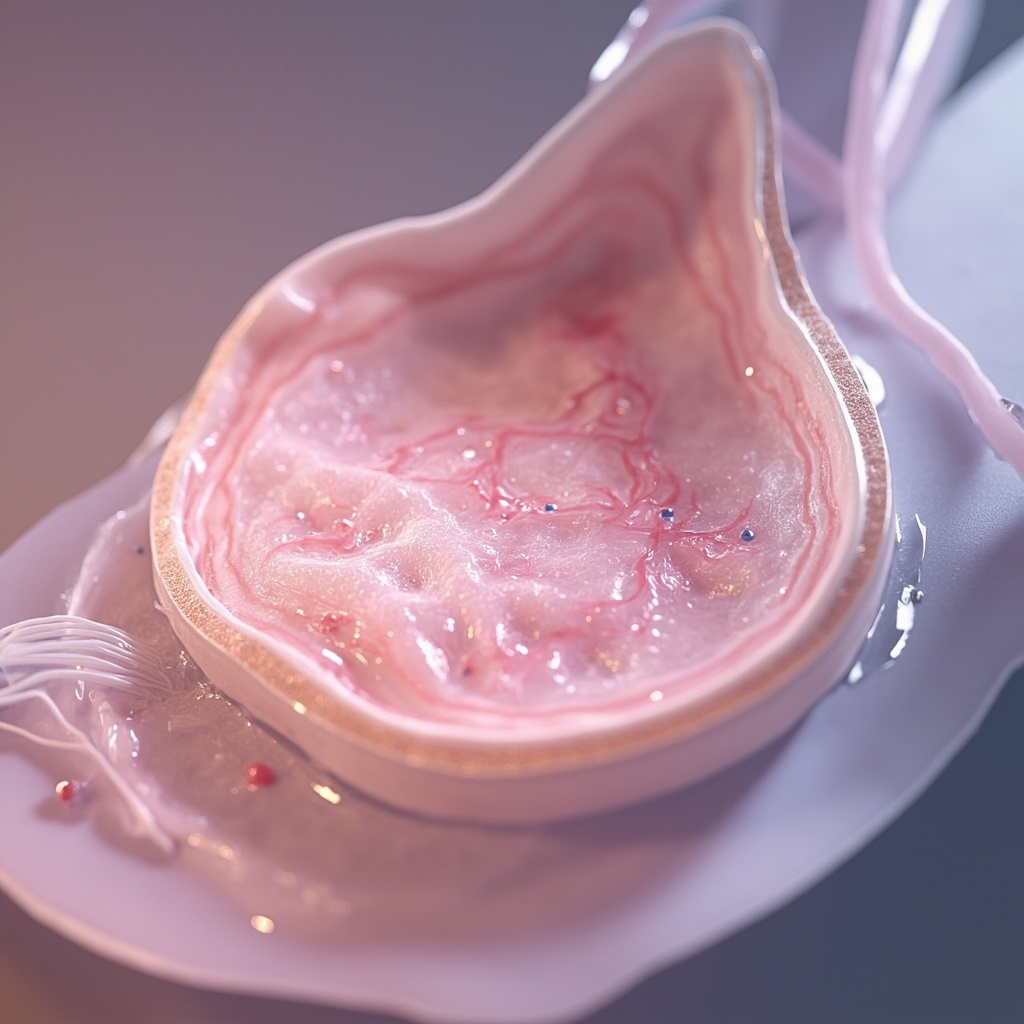
Bladder Mucosa: The Inner Lining of the Bladder
(bladder.mucosae)Mucosae are moist tissue layers lining various body cavities and internal organs, including the bladder. When functioning properly, they protect underlying tissues, produce mucus to trap pathogens, and assist in absorption and secretion processes. Malfunctioning mucosae can lead to infections, inflammation, ulcers, and impaired organ function.
The bladder mucosae can help other priority organs by enhancing their protective functions, facilitating effective communication and energy transfer, and promoting emotional balance by addressing unresolved feelings related to personal boundaries and stress.
The mucosae of the bladder are linked to feelings of irritation, invasion, or boundary violation. Malfunctioning can be caused by unresolved emotions related to fear of being attacked or invaded, or a perceived threat to personal boundaries. This can manifest as a response to stressful events where one feels their personal space or integrity is compromised.
The bladder mucosa is a specialized epithelial lining that plays a crucial role in protecting the bladder's underlying tissues while facilitating the storage and expulsion of urine. This mucosal layer produces mucus, which acts as a barrier against pathogens and irritants, contributing significantly to urinary tract health. Its proper function is interconnected with the kidneys and urethra, ensuring effective waste elimination and maintaining fluid balance in the body. Beyond its physiological roles, the bladder mucosa is associated with emotional well-being, particularly concerning issues of personal boundaries and feelings of security. Disruptions in mucosal health can lead to conditions like cystitis, which not only affects physical health but can also provoke anxiety and stress. By maintaining the integrity of the bladder mucosa through hydration and emotional balance, individuals enhance their overall energy, vitality, and resilience. This interconnectedness underscores the importance of addressing both physical and emotional health to support the body's systemic harmony, ultimately contributing to a sense of well-being and energetic stability.
In BioCoherence, find the organ biomarkers and structures in Analyze > Body > Organs maps.
To comment, subscribe to the newsletter and get exclusive BioCoherence offers, please create a free account
Legal page
Website (c) 2026 Coherence Labs; contents (c) their respective authors.
Disclaimer BioCoherence provides both an academic analysis and an energetic and experimental analysis.
The information displayed may or may not be correlated with the physical state of the systems.
Calculations are based on individual measurements and experimental algorithms.
All computed results like energy levels, entropy levels and coherent systems are designed to provide useful information for personal development, not for medical purposes. The usage of all results are under the sole responsibility or the user. In case of doubt, it is important to consult a medical doctor. Please check our EULA before deciding your use of the software.