


Body zones
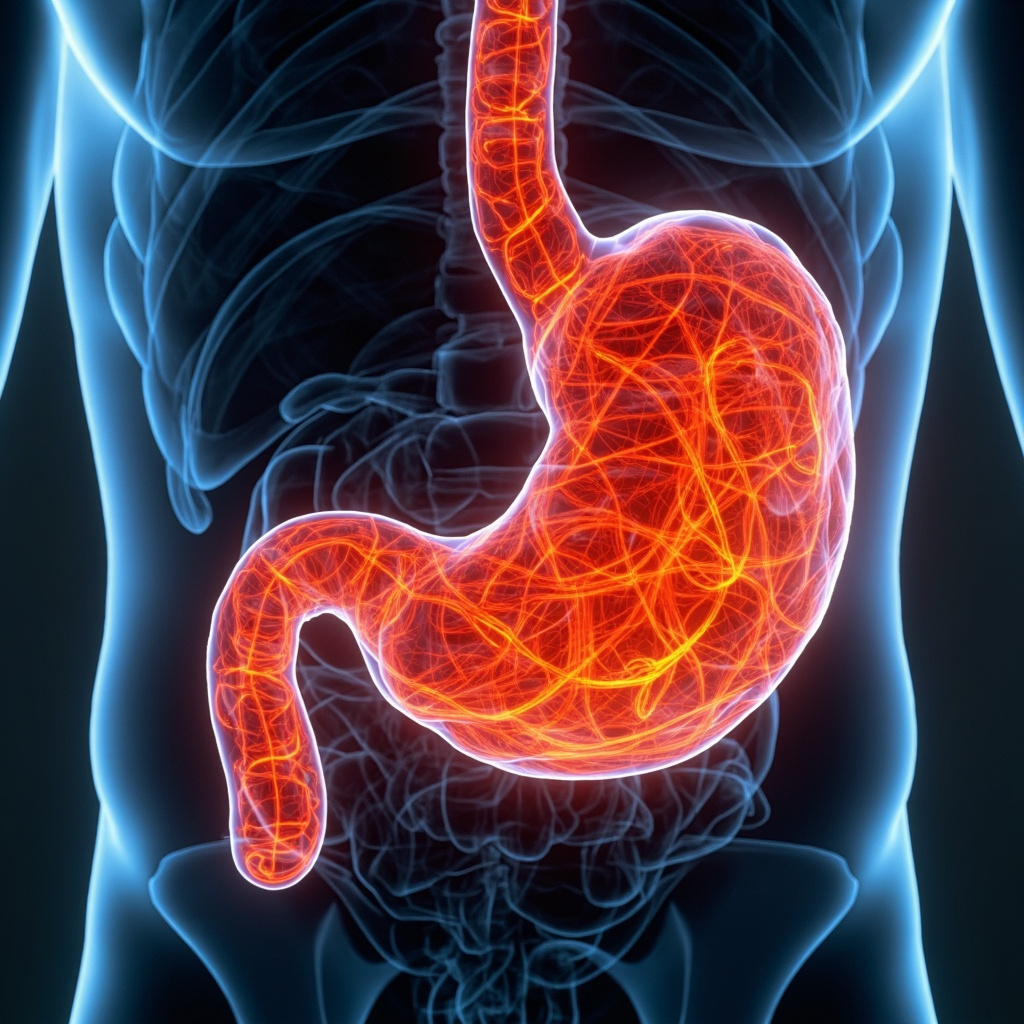
Stomach: Organ for food digestion and nutrient absorption
(digestive.stomach)The stomach is a muscular organ located in the upper abdomen, just below the ribs. It plays a key role in digestion by breaking down food using stomach acids and enzymes. When functioning properly, it processes food into a semi-liquid form called chyme, which is then gradually released into the small intestine for further digestion and nutrient absorption. If the stomach malfunctions, it can lead to issues such as acid reflux, ulcers, gastritis, or impaired digestion, potentially resulting in pain, discomfort, and nutritional deficiencies.
The stomach can help other organs by providing essential nutrients through the digestion process, delivering energy in the form of glucose to support metabolic activities, and sending signals related to hunger and satiety that influence overall energy balance and emotional well-being.
The stomach is often linked to emotions such as anxiety, stress, and fear. Feelings of being unable to "digest" a situation or experience can manifest as stomach issues. Emotional conflicts related to one's territory or environment may also affect stomach health. These emotions can lead to malfunctions like ulcers, gastritis, or indigestion. Addressing and resolving these emotional conflicts may help in alleviating stomach problems.
The stomach is a vital organ in the digestive system, responsible for breaking down food into a semi-liquid substance called chyme through the action of gastric acids and enzymes. This process is crucial for the subsequent absorption of nutrients in the small intestine, directly influencing overall physical health and energy levels. The stomach interacts closely with other organs such as the liver, which produces bile for fat digestion, and the pancreas, which secretes enzymes that further aid in nutrient breakdown. These systemic connections ensure efficient digestion and nutrient assimilation, enhancing metabolic health and energy production. Moreover, the stomach is intricately linked to emotional well-being; its operation can be influenced by stress and anxiety, which may lead to digestive disorders and affect appetite regulation. By maintaining a healthy stomach, individuals can support their vitality, resilience, and overall well-being, as effective digestion fosters not only physical health but also mental clarity and energetic balance. Thus, understanding and caring for the stomach is essential for promoting a harmonious state of health and energy in the body.
In BioCoherence, find the organ biomarkers and structures in Analyze > Body > Organs maps.
To comment, subscribe to the newsletter and get exclusive BioCoherence offers, please create a free account
Legal page
Website (c) 2026 Coherence Labs; contents (c) their respective authors.
Disclaimer BioCoherence provides both an academic analysis and an energetic and experimental analysis.
The information displayed may or may not be correlated with the physical state of the systems.
Calculations are based on individual measurements and experimental algorithms.
All computed results like energy levels, entropy levels and coherent systems are designed to provide useful information for personal development, not for medical purposes. The usage of all results are under the sole responsibility or the user. In case of doubt, it is important to consult a medical doctor. Please check our EULA before deciding your use of the software.