


Body zones
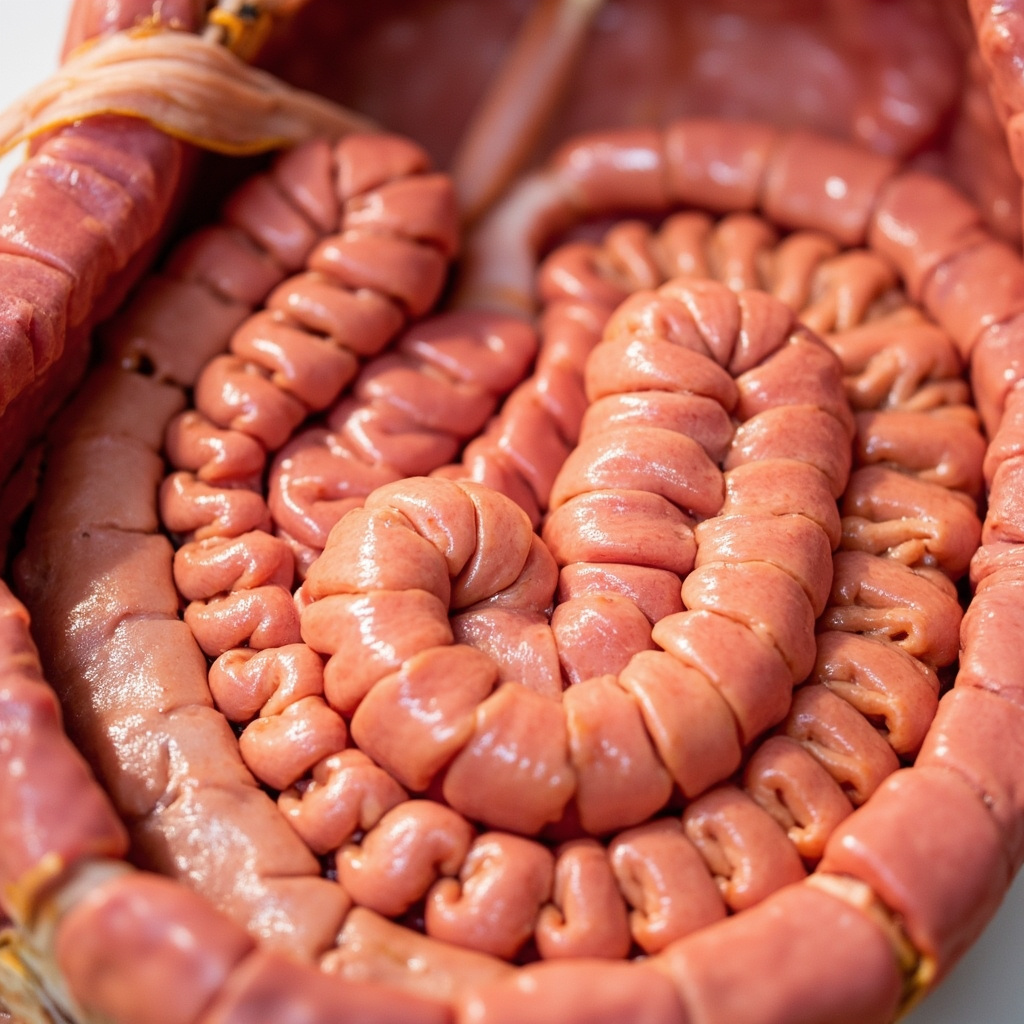
Small Intestine: The Organ for Nutrient Absorption
(digestive.smallintestine)The small intestine is located between the stomach and the large intestine within the abdominal cavity. When functioning properly, it is responsible for digesting food and absorbing nutrients into the bloodstream. If malfunctioning, it can lead to malabsorption, nutrient deficiencies, digestive issues, and conditions like celiac disease or Crohn's disease.
The small intestine can support other organs by ensuring effective nutrient absorption, which provides essential energy and building blocks for their optimal functioning, while also promoting emotional balance by facilitating better decision-making and processing of experiences, thus alleviating stress-related impacts on overall health.
The small intestine is associated with emotions and feelings related to discernment, decision-making, and assimilation of experiences. Issues with this organ may indicate difficulties in processing and integrating life's events, indecisiveness, or an inability to separate the useful from the non-useful. Emotional stress, feelings of being overwhelmed, or an inability to let go of certain thoughts or experiences can manifest as malfunctions in the small intestine.
The small intestine is a crucial organ in the digestive system, responsible for the absorption of nutrients from digested food into the bloodstream. It comprises three segments: the duodenum, jejunum, and ileum, each playing a specific role in digestion and nutrient uptake. By facilitating the breakdown and absorption of carbohydrates, proteins, and fats, the small intestine significantly contributes to overall physical health, providing essential energy and nutrients required for cellular function and repair. Its interactions with the pancreas and liver are vital; the pancreas secretes digestive enzymes, while the liver produces bile, both of which enhance nutrient absorption. Furthermore, the small intestine is linked to mental health through the gut-brain axis, influencing mood and cognitive function. Emotional well-being can be affected by gut health, as imbalances may lead to stress and anxiety. As an organ associated with resilience and vitality, a well-functioning small intestine supports not only robust physical health but also enhances emotional stability and decision-making capabilities, fostering a balanced and energetic lifestyle.
In BioCoherence, find the organ biomarkers and structures in Analyze > Body > Organs maps.
To comment, subscribe to the newsletter and get exclusive BioCoherence offers, please create a free account
Legal page
Website (c) 2026 Coherence Labs; contents (c) their respective authors.
Disclaimer BioCoherence provides both an academic analysis and an energetic and experimental analysis.
The information displayed may or may not be correlated with the physical state of the systems.
Calculations are based on individual measurements and experimental algorithms.
All computed results like energy levels, entropy levels and coherent systems are designed to provide useful information for personal development, not for medical purposes. The usage of all results are under the sole responsibility or the user. In case of doubt, it is important to consult a medical doctor. Please check our EULA before deciding your use of the software.