


Body zones
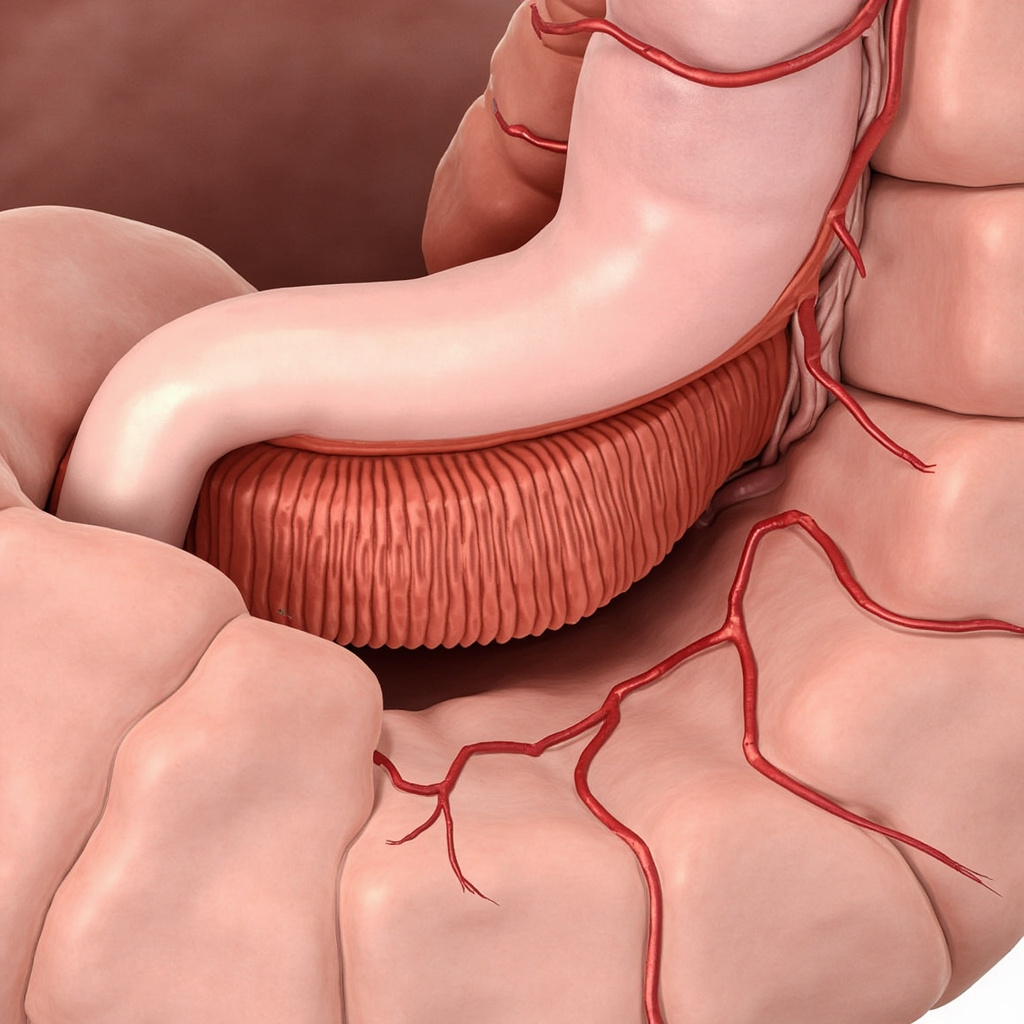
Ileocecal Valve: Junction of Small and Large Intestines
(digestive.ileocecalvalve)The ileocecal valve is located between the small intestine (ileum) and the large intestine (cecum). When functioning properly, it regulates the flow of digested material from the small intestine to the large intestine and prevents backflow of colonic contents. If malfunctioning, it can lead to issues such as bacterial overgrowth, nutrient malabsorption, and gastrointestinal symptoms like diarrhea, constipation, or abdominal pain.
The ileocecal valve can help other organs by ensuring proper digestion and nutrient absorption, preventing backflow of harmful bacteria, and addressing emotional stress related to boundaries, thereby promoting overall digestive health and stability.
The ileocecal valve is linked to feelings of fear and anxiety related to survival and territory. Malfunctioning may indicate unresolved stress regarding personal boundaries or feeling invaded. This emotional conflict can manifest physically, disrupting digestive function.
The ileocecal valve is a crucial anatomical structure located at the junction of the small intestine (ileum) and the large intestine (cecum). Its primary function is to regulate the passage of digested material from the small intestine to the large intestine, ensuring that nutrients are absorbed efficiently while preventing the backflow of colonic contents, which can lead to bacterial overgrowth and gastrointestinal disturbances. This valve interacts intimately with the gastrointestinal tract, the liver, and the pancreas, contributing to a harmonious digestive process that supports overall health. Furthermore, the ileocecal valve is associated with emotional well-being, particularly in relation to feelings of safety and personal boundaries; dysfunction may mirror unresolved fears or anxieties that disrupt mental clarity and resilience. By maintaining proper function, the ileocecal valve supports not only physical vitality through optimal nutrient absorption but also enhances emotional stability and energetic balance, thereby contributing to a holistic sense of well-being and resilience in daily life.
In BioCoherence, find the organ biomarkers and structures in Analyze > Body > Organs maps.
To comment, subscribe to the newsletter and get exclusive BioCoherence offers, please create a free account
Legal page
Website (c) 2026 Coherence Labs; contents (c) their respective authors.
Disclaimer BioCoherence provides both an academic analysis and an energetic and experimental analysis.
The information displayed may or may not be correlated with the physical state of the systems.
Calculations are based on individual measurements and experimental algorithms.
All computed results like energy levels, entropy levels and coherent systems are designed to provide useful information for personal development, not for medical purposes. The usage of all results are under the sole responsibility or the user. In case of doubt, it is important to consult a medical doctor. Please check our EULA before deciding your use of the software.