


Body zones
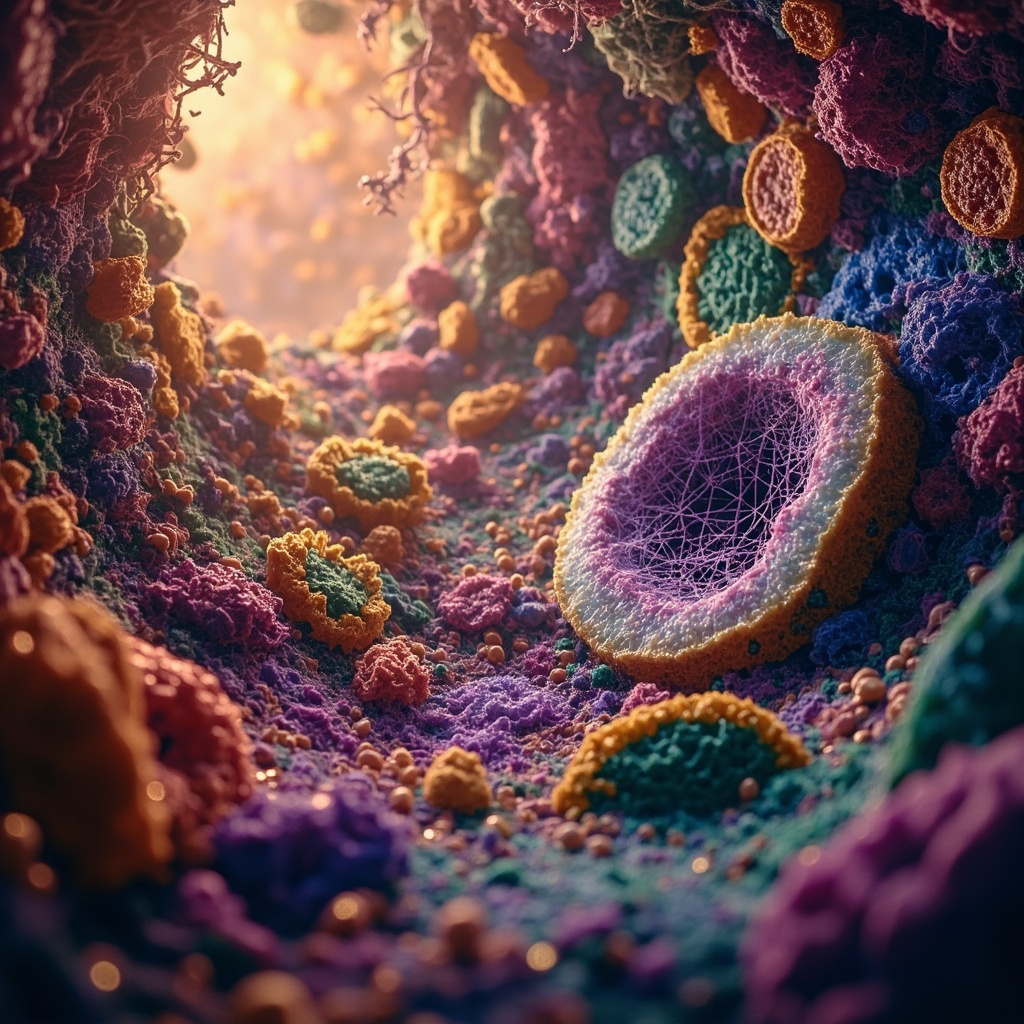
Cellular: The Basic Unit of Life
(cellular)Cellular localization refers to the specific location or environment within a cell where certain processes occur or where particular molecules are found. Proper cellular localization ensures that cellular processes, such as protein synthesis, signaling, and metabolic pathways, occur efficiently and accurately. When cellular localization functions properly, it maintains cellular organization, facilitates communication, and supports overall cell health. Malfunctioning cellular localization can lead to disrupted cellular processes, contributing to diseases such as cancer, neurodegenerative disorders, and metabolic syndromes.
Cellular localization can help prioritize organ functions by ensuring efficient communication and resource distribution, promoting overall cellular health, and addressing emotional and physical imbalances that may lead to disease.
The biological decoding of cellular issues often links to feelings of isolation, disconnection, and lack of communication. Cellular malfunctions can reflect a deeper emotional state of feeling separated from one's environment or community. Emotions such as loneliness, rejection, and a lack of support may manifest physically in the cells, leading to various health issues. These feelings can disrupt the body's natural balance, causing cellular stress and potential dysfunctions.
Cellular health is foundational to overall physical, mental, and energetic well-being. The cell is the basic unit of life, responsible for critical functions such as energy production, nutrient uptake, and waste elimination. Each cell's ability to maintain homeostasis is crucial for vitality, resilience, and optimal functioning. Key interactions occur among various organ systems; for instance, cells in the musculoskeletal system work closely with the nervous system to coordinate movement and respond to environmental stimuli, while immune cells communicate with endocrine glands to regulate stress responses. Proper cellular function also supports emotional balance, as healthy cells can better adapt to stressors, reducing feelings of anxiety and depression. This interplay emphasizes the importance of bioenergetics; when cells are nourished and functioning optimally, they contribute significantly to enhanced energy levels, mental clarity, and emotional stability. Disruptions in cellular processes can lead to systemic imbalances, manifesting as fatigue, chronic stress, and emotional distress. Therefore, prioritizing cellular health through nutrition, exercise, and mindfulness practices can profoundly enhance overall well-being and life quality.
In BioCoherence, find the organ biomarkers and structures in Analyze > Body > Organs maps.
To comment, subscribe to the newsletter and get exclusive BioCoherence offers, please create a free account
Legal page
Website (c) 2026 Coherence Labs; contents (c) their respective authors.
Disclaimer BioCoherence provides both an academic analysis and an energetic and experimental analysis.
The information displayed may or may not be correlated with the physical state of the systems.
Calculations are based on individual measurements and experimental algorithms.
All computed results like energy levels, entropy levels and coherent systems are designed to provide useful information for personal development, not for medical purposes. The usage of all results are under the sole responsibility or the user. In case of doubt, it is important to consult a medical doctor. Please check our EULA before deciding your use of the software.