


Body zones
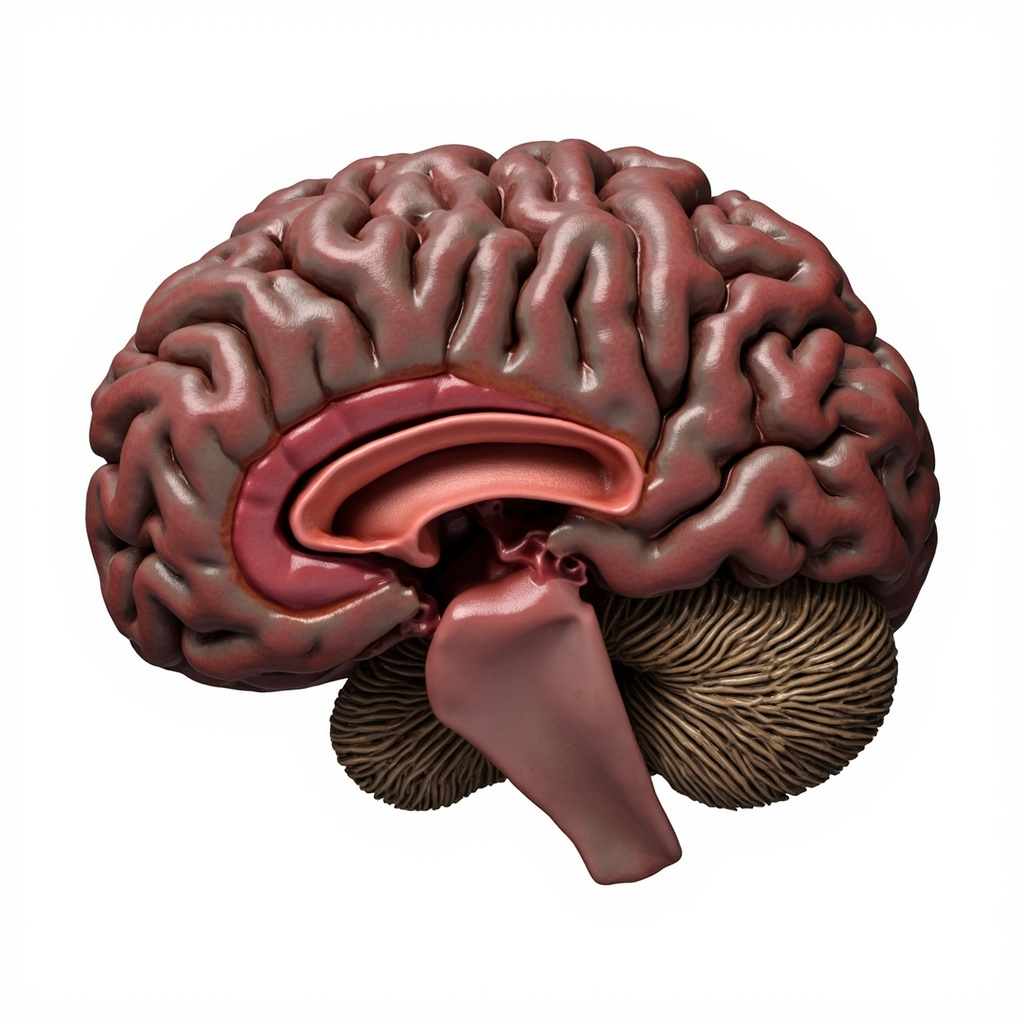
Cerebellum: Brain region for coordination and balance
(cavities.cerebellum)The cerebellum is located at the back of the brain, below the occipital lobes and behind the brainstem. It is responsible for coordinating voluntary movements, maintaining posture and balance, and fine-tuning motor activities. When functioning properly, it ensures smooth and precise movements. If the cerebellum malfunctions, it can result in issues such as ataxia (loss of coordination), tremors, dizziness, and difficulty with balance and speech.
The cerebellum can help other priority organs by ensuring coordinated movements and balance, facilitating efficient energy distribution, providing feedback for smooth motor activities, and contributing to emotional stability, thereby enhancing overall bodily function and reducing stress-related impacts on health.
The cerebellum is linked to issues of control, coordination, and balance in life. Emotional conflicts related to feeling ungrounded, disorganized, or lacking support can manifest as cerebellar problems. A person might experience feelings of instability, fear of losing control, or struggle with trust in their own abilities. These emotional states can lead to a perceived need to overcompensate or hyper-manage aspects of life, potentially causing stress and contributing to cerebellar dysfunction.
The cerebellum is a crucial brain region located at the back of the brain, responsible for the coordination of voluntary movements, maintenance of posture, and balance. It fine-tunes motor activities, enabling smooth and precise execution of movements vital for daily functioning. The cerebellum interacts closely with the motor cortex, basal ganglia, and sensory systems, facilitating efficient energy distribution and feedback for motor control. This coordination is essential for physical health, contributing to overall vitality and resilience by enabling individuals to engage in physical activities confidently. Emotionally, the cerebellum's stability supports mental well-being; disruptions can lead to feelings of instability or lack of control, manifesting as anxiety or disorganization. Such emotional states may exacerbate physical symptoms, creating a feedback loop that impacts overall health. By ensuring balance and coordination, the cerebellum fosters not just physical capabilities but also emotional grounding, enhancing an individual's overall well-being and energetic health. Therefore, nurturing cerebellar function is key to supporting both physical performance and emotional stability in achieving holistic health.
In BioCoherence, find the organ biomarkers and structures in Analyze > Body > Organs maps.
To comment, subscribe to the newsletter and get exclusive BioCoherence offers, please create a free account
Legal page
Website (c) 2026 Coherence Labs; contents (c) their respective authors.
Disclaimer BioCoherence provides both an academic analysis and an energetic and experimental analysis.
The information displayed may or may not be correlated with the physical state of the systems.
Calculations are based on individual measurements and experimental algorithms.
All computed results like energy levels, entropy levels and coherent systems are designed to provide useful information for personal development, not for medical purposes. The usage of all results are under the sole responsibility or the user. In case of doubt, it is important to consult a medical doctor. Please check our EULA before deciding your use of the software.