


Body zones
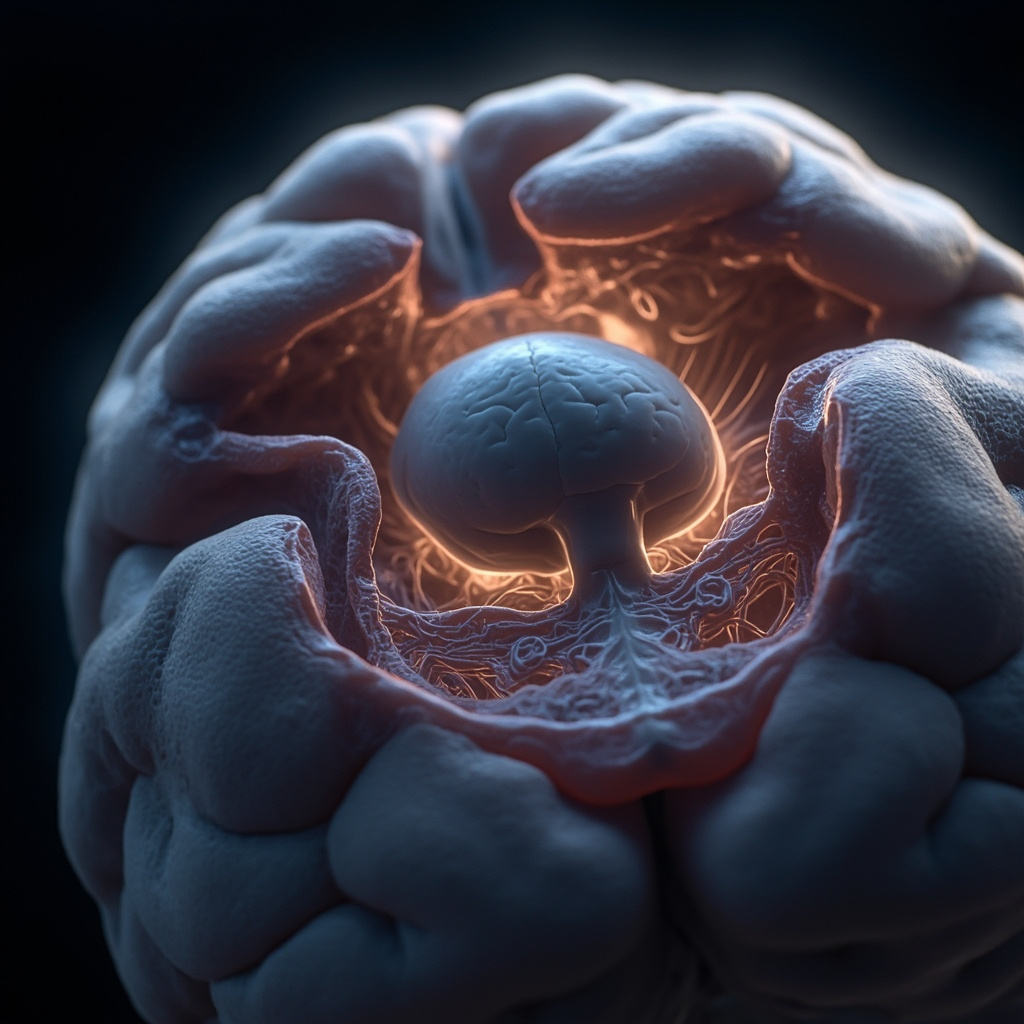
Thalamus: Relay station for sensory information
(brain.thalamus)The thalamus is located deep within the brain, near the center, and sits atop the brainstem. When functioning properly, it acts as a relay station, transmitting sensory and motor signals to the cerebral cortex and regulating consciousness, sleep, and alertness. If the thalamus malfunctions, it can lead to sensory perception issues, sleep disturbances, motor control problems, and disorders such as thalamic pain syndrome, where individuals experience chronic pain.
The thalamus can help prioritize and regulate sensory and motor information, ensuring efficient communication between different brain regions, which supports emotional balance, enhances alertness, and facilitates appropriate responses to environmental stimuli.
The thalamus is associated with processing and relaying sensory information and emotions. Malfunctioning of the thalamus may be linked to feelings of being overwhelmed by sensory input or emotions, difficulty in processing experiences, and a sense of disconnection from one's environment. Emotional stress, unresolved trauma, and intense emotional experiences can potentially disrupt the functioning of the thalamus.
The thalamus is a vital structure situated deep within the brain, serving as a crucial relay station for sensory information and motor signals to the cerebral cortex. Its primary functions include regulating consciousness, alertness, and sleep, thereby playing a significant role in both physical and mental health. By prioritizing and modulating sensory inputs, the thalamus facilitates effective communication between brain regions, contributing to emotional balance and resilience. It interacts closely with the limbic system, influencing emotional responses and memory processing, which are essential for overall well-being. Disruptions in thalamic function can lead to heightened sensitivity to sensory stimuli, emotional overwhelm, and difficulties in processing experiences, often exacerbated by stress or unresolved trauma. For individuals seeking enhanced energy and vitality, supporting thalamic health is crucial, as it underpins the ability to respond adaptively to environmental challenges. A well-functioning thalamus not only ensures proper sensory integration but also fosters a sense of connection to one's surroundings, ultimately enhancing vitality and overall well-being.
In BioCoherence, find the organ biomarkers and structures in Analyze > Body > Organs maps.
To comment, subscribe to the newsletter and get exclusive BioCoherence offers, please create a free account
Legal page
Website (c) 2026 Coherence Labs; contents (c) their respective authors.
Disclaimer BioCoherence provides both an academic analysis and an energetic and experimental analysis.
The information displayed may or may not be correlated with the physical state of the systems.
Calculations are based on individual measurements and experimental algorithms.
All computed results like energy levels, entropy levels and coherent systems are designed to provide useful information for personal development, not for medical purposes. The usage of all results are under the sole responsibility or the user. In case of doubt, it is important to consult a medical doctor. Please check our EULA before deciding your use of the software.