


Body zones
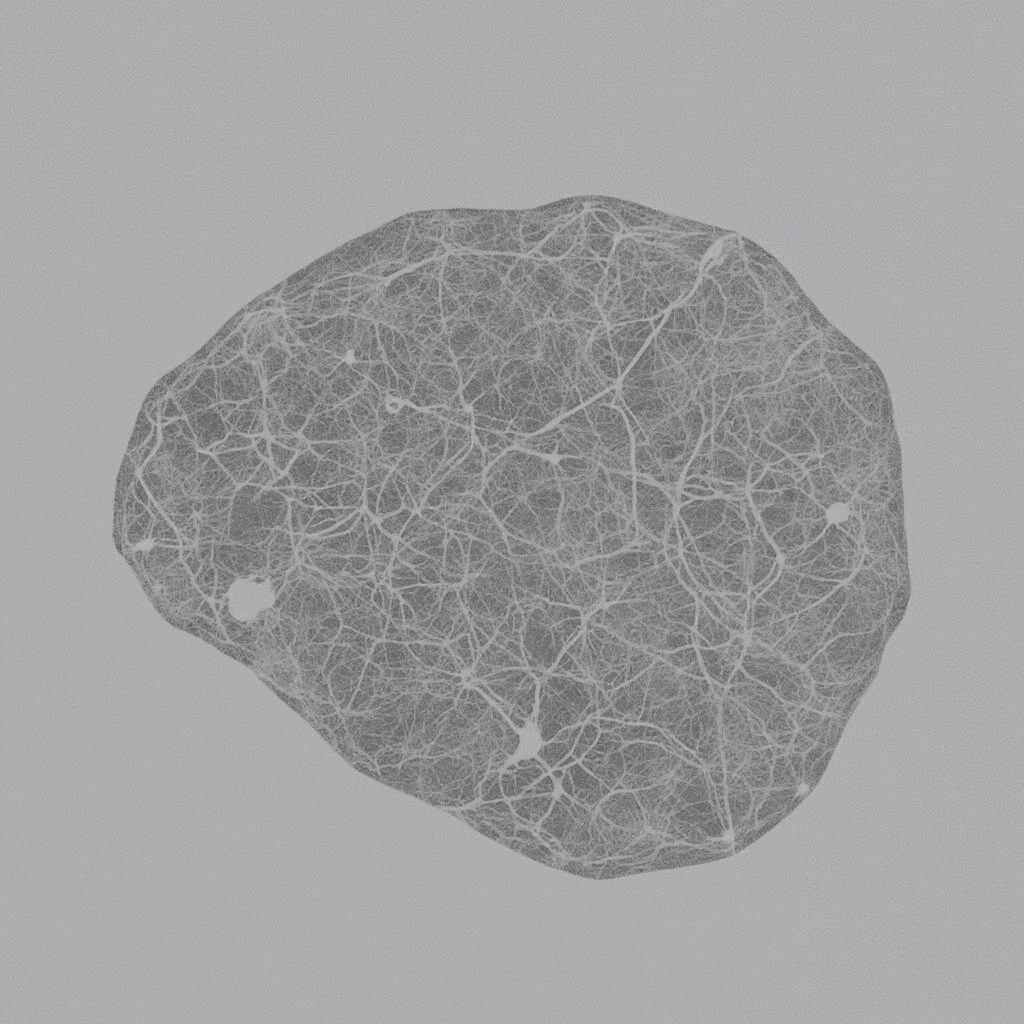
Gray Matter: The Brain's Processing Center
(brain.graymatter)Gray matter, located in the brain and spinal cord, primarily consists of neuronal cell bodies, dendrites, and unmyelinated axons. When functioning properly, it processes information, supports muscle control, sensory perception, memory, emotions, and decision-making. Malfunctioning gray matter can lead to cognitive impairments, motor dysfunction, sensory issues, and various neurological disorders such as Alzheimer's disease, Parkinson's disease, and multiple sclerosis.
Gray matter can help other organs by optimizing cognitive functions, enhancing emotional balance, and improving decision-making processes, which in turn supports overall bodily coordination and health.
The gray matter of the brain is linked to processing information, memory, emotions, and decision-making. Malfunctions in this area may be associated with feelings of overwhelm, stress, or mental exhaustion. It could indicate a conflict between logic and emotion, difficulty in processing complex situations, or suppressed intellectual potential. Emotional imbalances and unresolved mental conflicts might contribute to issues in the gray matter, potentially manifesting as cognitive or neurological disorders.
Gray matter, a critical component of the central nervous system, is primarily composed of neuronal cell bodies and plays a vital role in processing information and regulating various functions. It is essential for cognitive abilities, including learning, memory, and emotional regulation, thus contributing significantly to mental clarity and resilience. This brain region interacts closely with white matter, which facilitates communication between different brain regions, enhancing overall neurological efficiency. Furthermore, gray matter is influenced by lifestyle factors such as physical exercise, nutrition, and stress management, which can promote neuroplasticity and bolster emotional health. Its integrity is crucial for maintaining energy levels and vitality; dysfunction within gray matter can lead to emotional disturbances and cognitive decline, affecting one's overall sense of well-being. By fostering a harmonious relationship between cognitive functions and emotional states, gray matter serves as a foundation for optimal health, empowering individuals to navigate life's challenges with greater ease and resilience. Understanding and supporting gray matter health is therefore essential for enhancing both physical and energetic vitality in everyday life.
In BioCoherence, find the organ biomarkers and structures in Analyze > Body > Organs maps.
To comment, subscribe to the newsletter and get exclusive BioCoherence offers, please create a free account
Legal page
Website (c) 2026 Coherence Labs; contents (c) their respective authors.
Disclaimer BioCoherence provides both an academic analysis and an energetic and experimental analysis.
The information displayed may or may not be correlated with the physical state of the systems.
Calculations are based on individual measurements and experimental algorithms.
All computed results like energy levels, entropy levels and coherent systems are designed to provide useful information for personal development, not for medical purposes. The usage of all results are under the sole responsibility or the user. In case of doubt, it is important to consult a medical doctor. Please check our EULA before deciding your use of the software.