


Body zones
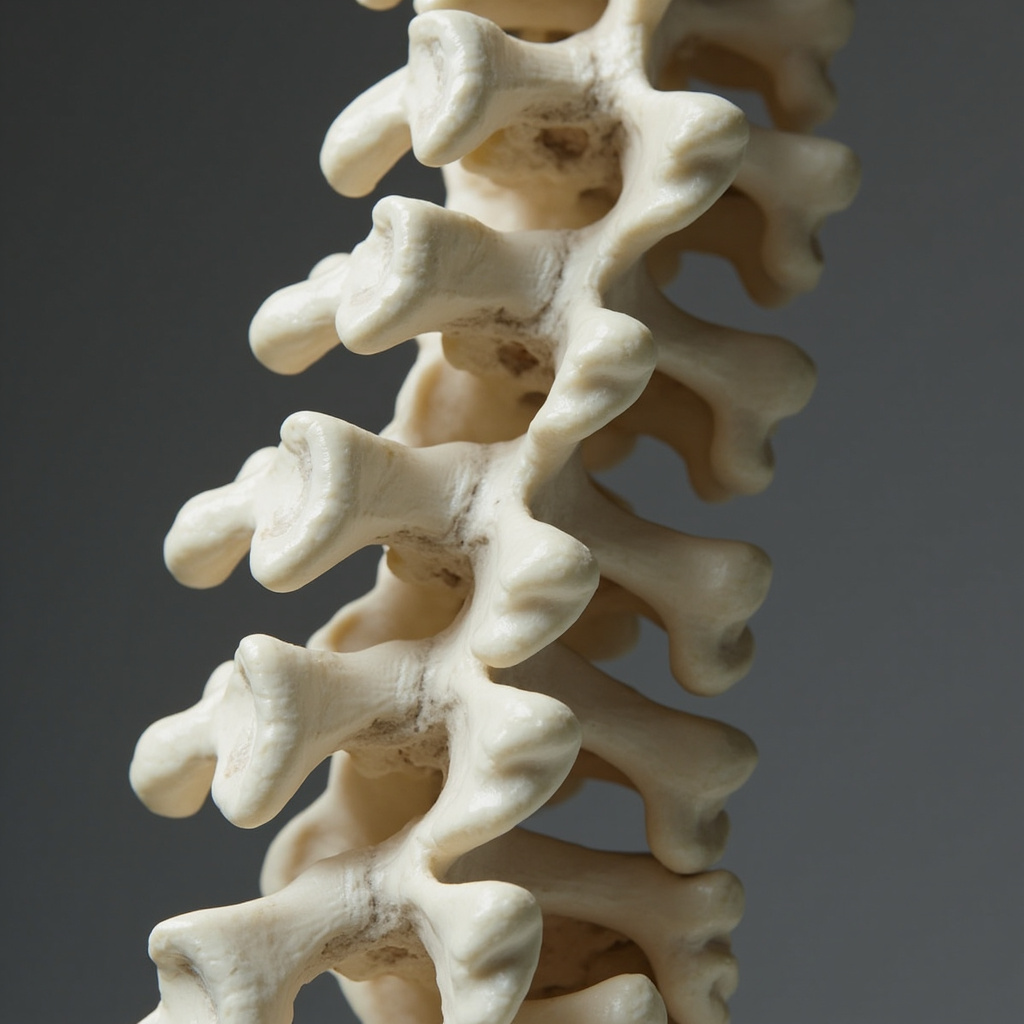
Vertebrae: Building Blocks of the Spine
(vertebrae)The vertebrae can help other priority organs by providing structural support, facilitating communication through the nervous system, and protecting the spinal cord, which transmits signals that balance and coordinate the functions of various organs.
The vertebrae are the individual bones that make up the spinal column, critical for maintaining structural integrity and flexibility of the spine. Each vertebra houses the spinal cord, a vital part of the central nervous system that transmits signals between the brain and the body, influencing physical movement and sensory perception. The vertebral column also plays a crucial role in protecting the spinal cord from injury, thus supporting neurological function, which is essential for mental clarity and emotional stability. The alignment and health of the vertebrae can significantly impact overall physical health, as misalignments may lead to discomfort or pain, affecting mobility and, consequently, vitality. Furthermore, the intervertebral discs, situated between the vertebrae, facilitate movement and act as shock absorbers, contributing to resilience against physical stress. By promoting proper posture and spinal alignment, the vertebrae help enhance energy flow throughout the body, fostering a sense of well-being and balance. This interconnectedness underscores the importance of spinal health in achieving optimal physical, mental, and energetic health, making it a foundational element in holistic wellness practices.
In BioCoherence, find the organ biomarkers and structures in Analyze > Body > Organs maps.
To comment, subscribe to the newsletter and get exclusive BioCoherence offers, please create a free account
Legal page
Website (c) 2026 Coherence Labs; contents (c) their respective authors.
Disclaimer BioCoherence provides both an academic analysis and an energetic and experimental analysis.
The information displayed may or may not be correlated with the physical state of the systems.
Calculations are based on individual measurements and experimental algorithms.
All computed results like energy levels, entropy levels and coherent systems are designed to provide useful information for personal development, not for medical purposes. The usage of all results are under the sole responsibility or the user. In case of doubt, it is important to consult a medical doctor. Please check our EULA before deciding your use of the software.