


Body zones
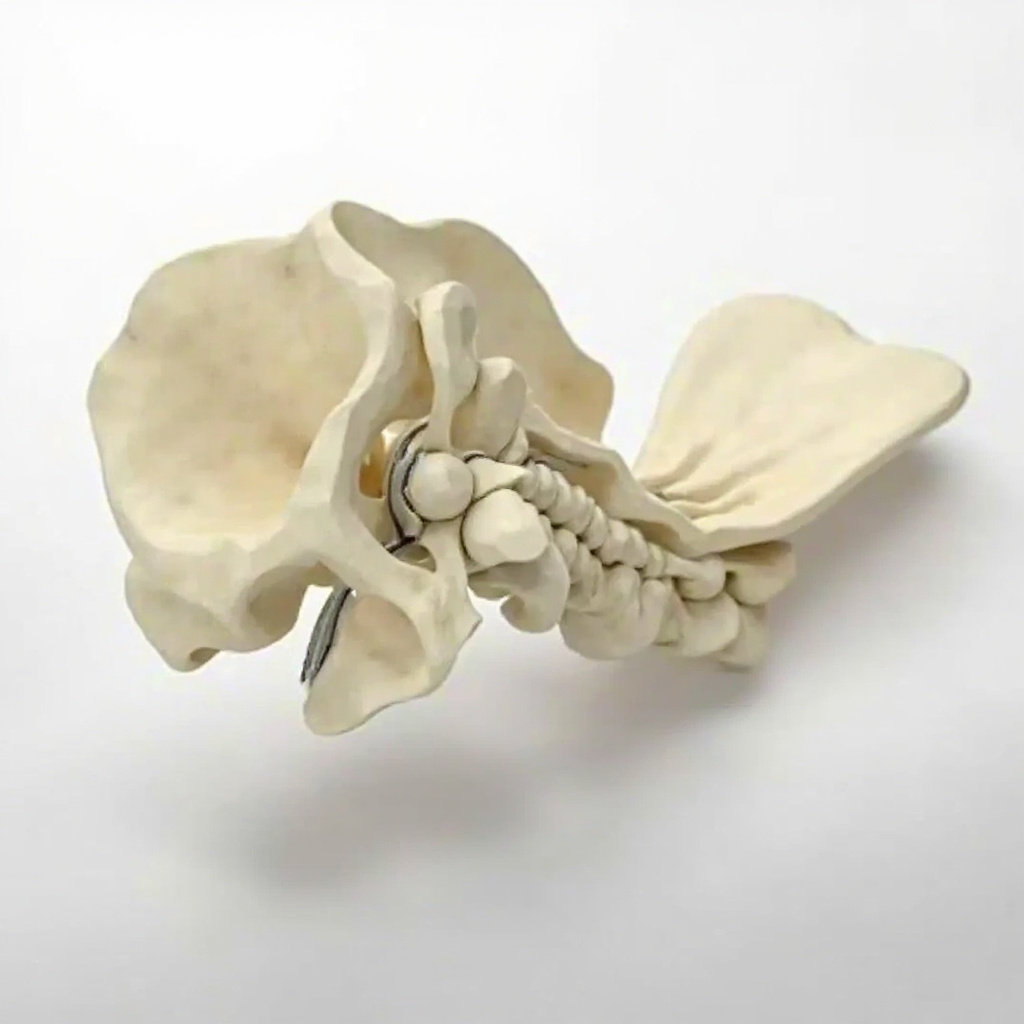
First Thoracic Vertebra: Upper Back Support Structure
(vertebrae.T1)T1, or the first thoracic vertebra, is located at the top of the thoracic spine, just below the C7 vertebra and above T2. When functioning properly, T1 helps support the upper body, facilitates movement, and protects the spinal cord. If T1 malfunctions or is injured, it can cause pain, limited mobility, and potentially impact the arms and hands, leading to numbness, weakness, or even paralysis in severe cases.
The T1 vertebra can help by providing structural support and stability to the upper body, facilitating movement and protecting the spinal cord, while also addressing emotional burdens associated with fear of failure and responsibility, promoting overall well-being.
The T1 vertebra is associated with emotions and feelings linked to the fear of failure and burden of responsibility. Problems in this area may indicate a sense of being overwhelmed by responsibilities or a fear of not living up to expectations. Emotional stress related to these feelings can manifest as physical issues in the T1 vertebra.
The T1 vertebra, located at the upper thoracic spine, plays a crucial role in supporting the upper body and facilitating vital movement while safeguarding the spinal cord. This vertebra interacts closely with the cervical spine and nerves that extend to the arms, influencing neuromuscular function and overall mobility. Proper alignment and health of T1 are essential for energy flow within the nervous system, impacting not only physical vitality but also mental clarity and emotional resilience. Dysfunction in T1 can lead to physical pain and emotional stress, particularly related to feelings of responsibility and the fear of failure. These emotional burdens may manifest physically as tension or discomfort, further affecting energy levels. Additionally, T1's connection to the heart and lungs emphasizes its role in supporting respiratory function and cardiovascular health, which are vital for overall energy and well-being. By promoting alignment and health in the T1 region, individuals can enhance their physical strength, emotional stability, and energetic balance, fostering resilience and vitality in daily life.
In BioCoherence, find the organ biomarkers and structures in Analyze > Body > Organs maps.
BioCoherence Personal Guide Meditation
You are now invited to bring your awareness to a specific part of your body, the T1 vertebra, located at the upper part of your back, near the base of your neck. Imagine this vertebra as a small, sturdy bone, part of the spine's intricate and supportive structure.
Visualize its place within your body, connecting your neck to your back, serving as a crucial link in the chain of your spine. It provides a stable base, supporting the weight of your head and allowing for the movement and flexibility of your upper body.
Consider the interactions of the T1 vertebra with the surrounding muscles and nerves. It is enveloped by a network of muscles that facilitate the smooth movements of your shoulders and arms. Picture these muscles gently contracting and relaxing, working harmoniously with the T1 vertebra to bring ease and grace to your movements.
Now, think of the nerves that pass through and around this vertebra, carrying vital signals from your brain to various parts of your body. These signals enable you to experience sensations and control movements, contributing to your overall sense of well-being.
Hold this image of the T1 vertebra in your mind, appreciating its role in maintaining the balance and function of your upper body. Know that it is a key part of the intricate and beautifully designed system that supports and empowers you daily.
BioCoherence Personal Guide Resource Meditation
Feel the calm, steady rhythm of your breath as you focus your awareness on the area just below your neck, at the top of your spine. This is the location of T1, the first thoracic vertebra. Visualize T1 as a radiant point of light, glowing warmly with a soft, golden hue.
Imagine this light expanding gently, filling the entire area with a comforting warmth that spreads through your upper back and shoulders. See this light as a powerful source of energy and balance, a central hub that connects and supports many aspects of your being.
T1 serves as a vital resource, harmonizing the flow of energy throughout your body. It acts as a bridge, facilitating communication and balance between various organs, meridians, emotions, and points of vitality. Visualize this energy flowing freely, unimpeded, from T1 to wherever it is needed most.
Take a deep breath in, drawing in fresh energy to T1. As you exhale, see this energy radiating outward, like ripples on a pond, reaching every corner of your being. Feel the strength and stability of T1 as it sends waves of supportive energy to nourish and balance other areas.
With each breath, the energy at T1 grows stronger, brighter, and more potent. Picture this energy gathering, becoming a concentrated source of healing and support. When you feel ready, begin to direct this powerful energy to the specific areas that need assistance.
Allow the energy from T1 to flow effortlessly, bringing harmony and balance to the priorities that will follow in this meditation. Let the golden light of T1 be a guiding force, enriching and restoring every part of your being.
Remain open and receptive, ready to channel this energy to where it is most needed next.