


Body zones
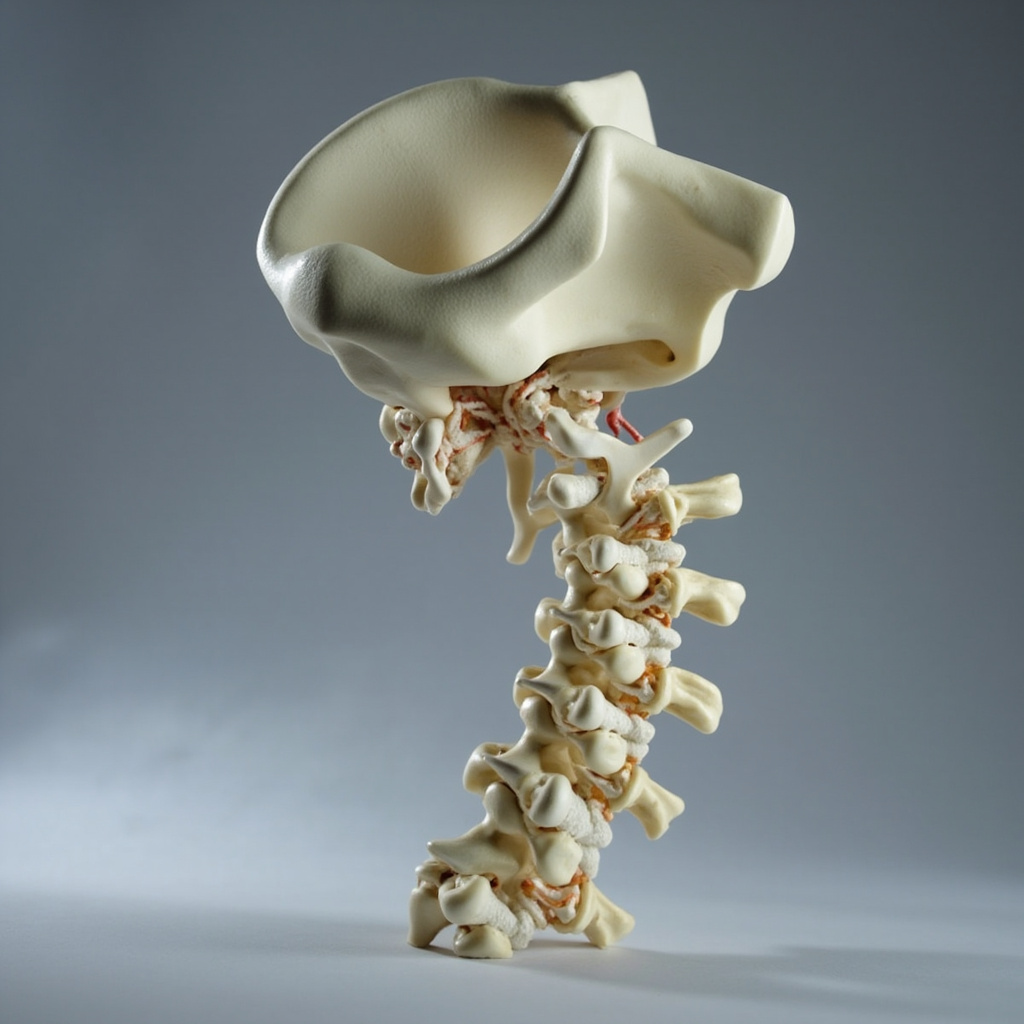
C2 Vertebra: Second Cervical Spine Bone
(vertebrae.C2)The C2 vertebra, also known as the axis, is located in the cervical spine, just below the C1 vertebra (atlas) and above the C3 vertebra. It plays a crucial role in allowing the head to rotate from side to side, thanks to its unique structure that includes the odontoid process or dens. Proper functioning of the C2 vertebra ensures smooth and stable head movements. If it malfunctions or is injured, it can lead to severe neck pain, reduced range of motion, neurological deficits, and in extreme cases, it can impact respiratory function and lead to paralysis.
The C2 vertebra can help by facilitating proper head movement and alignment, reducing physical tension and pain, and promoting emotional balance by addressing feelings of self-devaluation and guilt, ultimately supporting overall well-being and functionality of other priority organs.
The C2 vertebra is linked to emotions and feelings concerning self-devaluation, guilt, and the need for control. Issues with this vertebra may indicate underlying conflicts related to feeling unsupported, self-critical, or burdened by responsibilities. Emotional stress in these areas can potentially lead to physical manifestations, such as neck pain or stiffness.
The C2 vertebra, or axis, is a pivotal component of the cervical spine, facilitating essential head movements and maintaining proper alignment with the skull and the rest of the spine. Its unique odontoid process allows for significant rotation, crucial for activities such as looking over the shoulder and maintaining spatial awareness. Proper function of the C2 vertebra is vital for overall physical health, as restrictions can lead to musculoskeletal pain, compromised neurological integrity, and diminished respiratory efficiency. Systemically, the C2 interacts with the brainstem and the autonomic nervous system, influencing both cognitive function and emotional regulation. Emotional health is intimately tied to this vertebra, as imbalances may manifest as feelings of guilt or self-devaluation, reflecting unresolved conflicts or stress. By ensuring optimal alignment and mobility of the C2, individuals can enhance their energy, vitality, and resilience, alleviating physical tension and promoting emotional stability. This interconnectedness underscores the importance of the C2 in supporting holistic well-being, encouraging a balanced state that fosters overall health and energetic coherence.
In BioCoherence, find the organ biomarkers and structures in Analyze > Body > Organs maps.
BioCoherence Personal Guide Meditation
Now, direct Your attention to a small, yet crucial part of Your spine: the C2 vertebra, also known as the second cervical vertebra. Imagine it situated high in Your neck, just below the base of Your skull. Feel its sturdy presence, a sentinel safeguarding the pathway of nerves connecting Your brain to Your body.
Visualize the C2 vertebra interlocking with its neighboring bones, forming a solid yet flexible column. This vertebra allows You to turn Your head from side to side, granting You the gift of movement and perspective. Feel the gentle support it provides, cradling the spinal cord, ensuring the flow of vital signals that govern Your sensations and actions.
Consider the C2 vertebra as a bridge, linking the delicate structures of Your head to the resilient framework of Your spine. Appreciate its role in maintaining balance and stability, allowing the fluid motion of Your neck. Let this image fill You with a sense of gratitude for the intricate design and functionality within Your body.
BioCoherence Personal Guide Resource Meditation
Visualize the second cervical vertebra, known as C2, located at the base of the skull, just below the first vertebra. See it as a vibrant, glowing center of energy. C2 is a powerful resource within your body, capable of sending energy and information to other areas. It supports communication throughout the body's systems, much like a bridge that connects different parts of a city.
Imagine C2 glowing with a bright, warm light. This light represents its energy, strong and steady. Focus on this light, feeling its warmth and strength. Picture it expanding, growing brighter and more intense with every breath you take. With each inhale, draw more energy into C2, allowing it to become a potent reservoir of healing power.
As you exhale, feel this energy stabilize and resonate, becoming even more robust. Continue this process, building a powerful, radiant force within C2. This energy is now ready to be shared with other parts of your body that require support.
Visualize this vibrant energy flowing from C2 to various priorities within your body, such as organs, meridians, emotions, or acupuncture points. See this energy as a stream of light, traveling from C2 to these areas, bringing balance, strength, and healing.
Allow this energy to flow freely, knowing that C2 is a reliable source, continuously generating and sharing its energy. Keep this connection open, as the next part of the meditation will guide you to direct this energy to specific areas in need.
Prepare to move forward, maintaining the flow of energy from C2 to the priorities that will be listed next, ensuring they receive the support and balance they require.