


Body zones
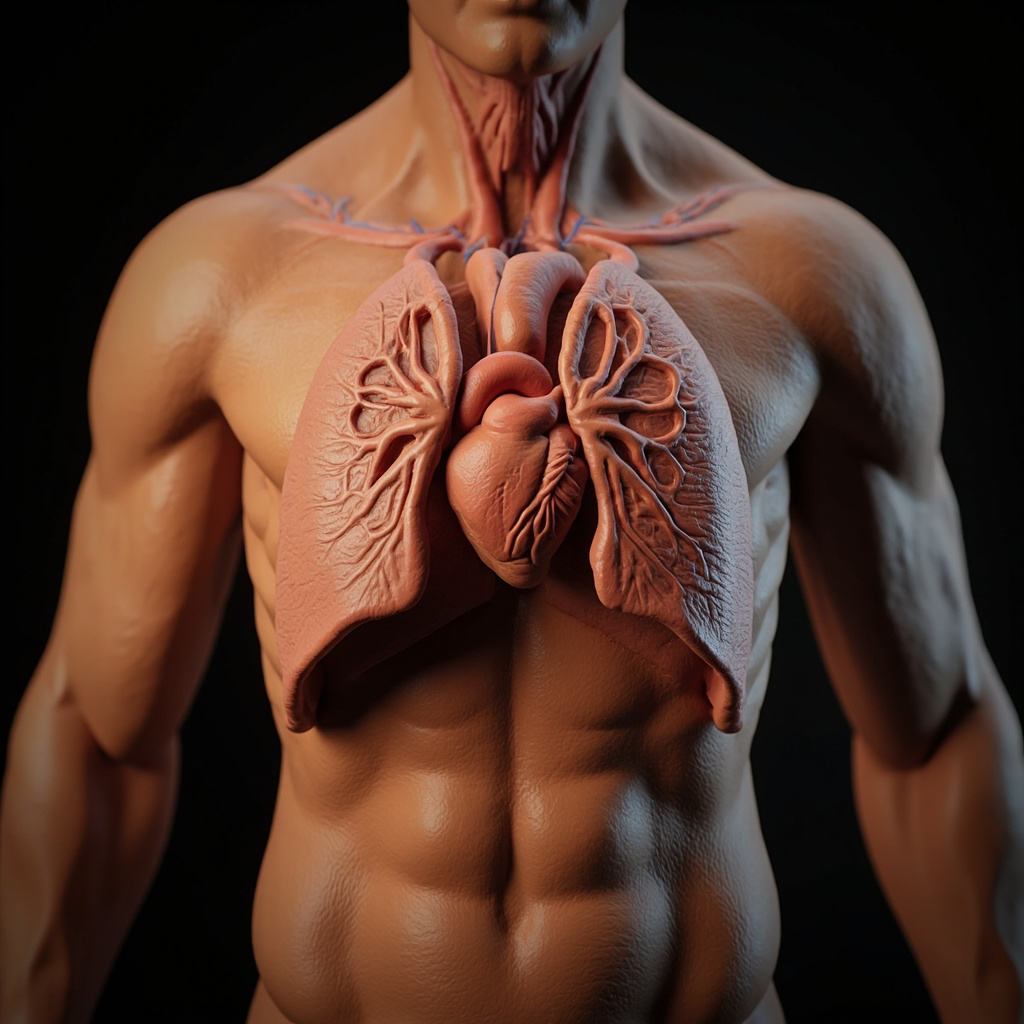
Chest Vessels: Structures of the Thoracic Vascular System
(vascular.chest)The chest, located in the upper part of the torso, houses vital organs including the heart, lungs, and major blood vessels. When functioning properly, it facilitates respiration and circulation, ensuring oxygen-rich blood is distributed throughout the body. Malfunctioning of chest organs can lead to respiratory issues, cardiovascular diseases, and impaired blood flow, potentially causing symptoms like shortness of breath, chest pain, and systemic organ failure.
The chest can help other organs by ensuring proper oxygenation and circulation, alleviating emotional burdens through stress management, and facilitating overall bodily harmony by addressing both physical and emotional health concerns.
The chest, particularly in relation to vascular issues, is often linked to feelings of pressure, burden, or responsibility. Emotional conflicts related to feeling overwhelmed by one's duties or the weight of expectations may manifest as chest or heart problems. There may also be underlying fears about one's capacity to handle life's demands or unresolved grief and sadness. Addressing these emotional stresses and finding ways to alleviate pressure can be crucial for improving chest-related health concerns.
The thoracic vascular system, comprising major blood vessels such as the aorta and pulmonary arteries, plays a crucial role in maintaining homeostasis by facilitating blood circulation and oxygen transport throughout the body. This system not only delivers essential nutrients and oxygen to tissues but also removes metabolic waste, supporting physical vitality and mental clarity. Interactions with the heart regulate blood pressure and flow, while the lungs ensure proper gas exchange, connecting respiratory and cardiovascular health. Emotionally, the thoracic area is linked to feelings of support and security, with disturbances potentially leading to anxiety or stress-related symptoms. By fostering a balanced vascular system, individuals may experience enhanced energy levels, resilience, and overall well-being. Furthermore, addressing emotional burdens associated with the chest can promote better vascular function, as unresolved feelings of overwhelm or sadness can manifest physically. Thus, nurturing the thoracic vascular system is essential for holistic health, emphasizing the interplay between emotional wellness and physical vitality, ultimately contributing to a harmonious state of being.
In BioCoherence, find the organ biomarkers and structures in Analyze > Body > Organs maps.
To comment, subscribe to the newsletter and get exclusive BioCoherence offers, please create a free account
Legal page
Website (c) 2026 Coherence Labs; contents (c) their respective authors.
Disclaimer BioCoherence provides both an academic analysis and an energetic and experimental analysis.
The information displayed may or may not be correlated with the physical state of the systems.
Calculations are based on individual measurements and experimental algorithms.
All computed results like energy levels, entropy levels and coherent systems are designed to provide useful information for personal development, not for medical purposes. The usage of all results are under the sole responsibility or the user. In case of doubt, it is important to consult a medical doctor. Please check our EULA before deciding your use of the software.