


Body zones
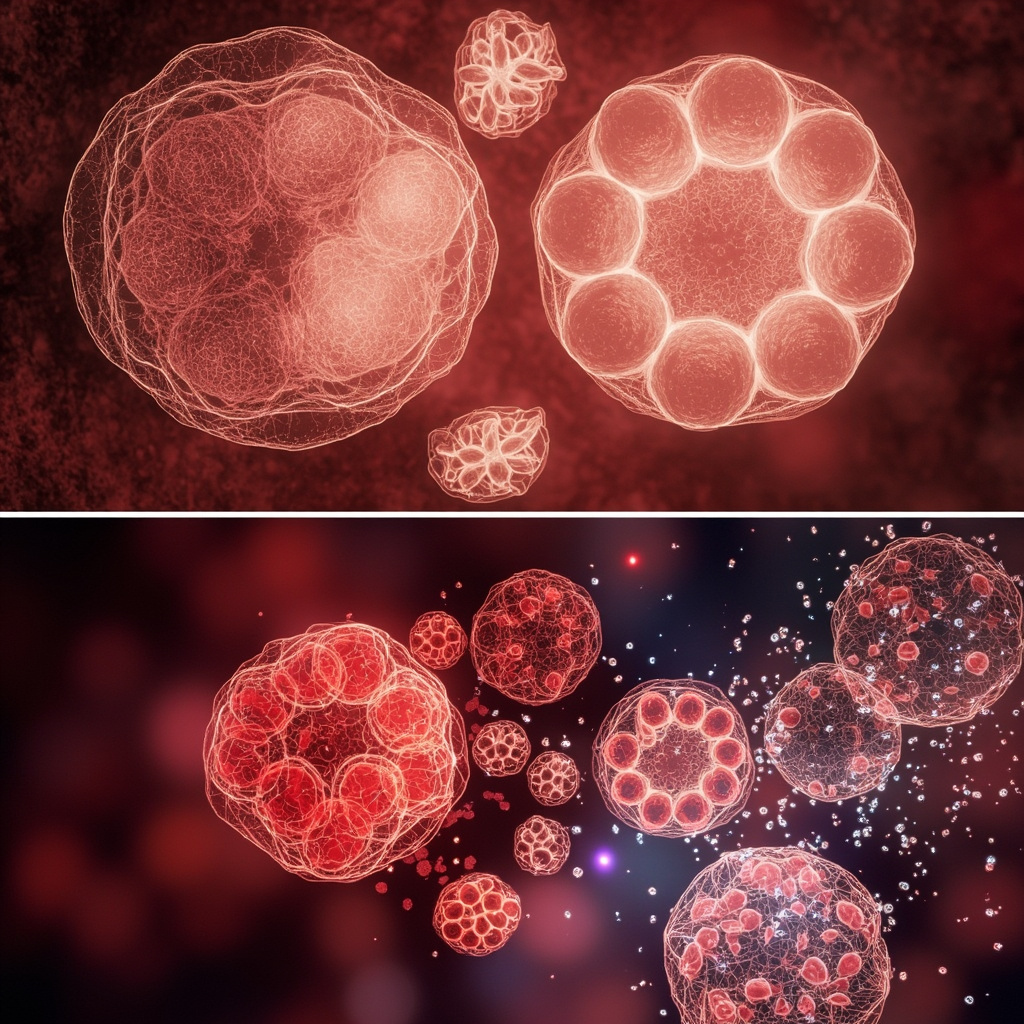
Blastic Cells: Immature Blood Cell Precursors
(vascular.blasticcells)Blastic cells are immature precursor cells found in the bone marrow and blood, primarily involved in the formation and development of blood cells. When functioning properly, they mature into various types of blood cells, including red blood cells, white blood cells, and platelets, playing a crucial role in maintaining healthy blood and immune system function. If blastic cells malfunction, it can lead to blood disorders such as leukemia, where these cells proliferate uncontrollably and fail to mature, disrupting normal blood cell production and function, and potentially causing symptoms like anemia, infection, and bleeding.
Blastic cells can help other organs by providing essential nutrients and signaling molecules that support their growth and repair, thus enhancing overall organ function and resilience in response to stress or injury.
Blastic cells, particularly in the vascular system, may be linked to emotions of deep fear and a sense of threat to one's life or integrity. Feelings of vulnerability and insecurity could be underlying causes of their malfunction. These cellular issues might reflect unresolved conflicts or traumas related to survival and protection.
Blastic cells are immature blood cell precursors primarily located in the bone marrow and blood, crucial for the development of various blood cells, including red blood cells, white blood cells, and platelets. Their primary functions include ensuring proper oxygen transport, immune response, and blood clotting, significantly contributing to overall physical vitality and energetic health. When functioning optimally, these cells interact closely with the immune system and various organs, providing essential nutrients and signaling molecules that enhance organ function and resilience, particularly during stress or injury. Malfunctions in blastic cells can lead to severe blood disorders, such as leukemia, which disrupts normal blood production and can result in symptoms like anemia, increased susceptibility to infections, and impaired healing. Emotionally, the health of blastic cells may reflect underlying feelings of vulnerability or existential threats, indicating a connection between emotional well-being and cellular health. By supporting the maturation and function of blastic cells, individuals can foster enhanced energy, resilience, and overall well-being, promoting a harmonious balance between body, mind, and spirit.
In BioCoherence, find the organ biomarkers and structures in Analyze > Body > Organs maps.
To comment, subscribe to the newsletter and get exclusive BioCoherence offers, please create a free account
Legal page
Website (c) 2026 Coherence Labs; contents (c) their respective authors.
Disclaimer BioCoherence provides both an academic analysis and an energetic and experimental analysis.
The information displayed may or may not be correlated with the physical state of the systems.
Calculations are based on individual measurements and experimental algorithms.
All computed results like energy levels, entropy levels and coherent systems are designed to provide useful information for personal development, not for medical purposes. The usage of all results are under the sole responsibility or the user. In case of doubt, it is important to consult a medical doctor. Please check our EULA before deciding your use of the software.