


Body zones
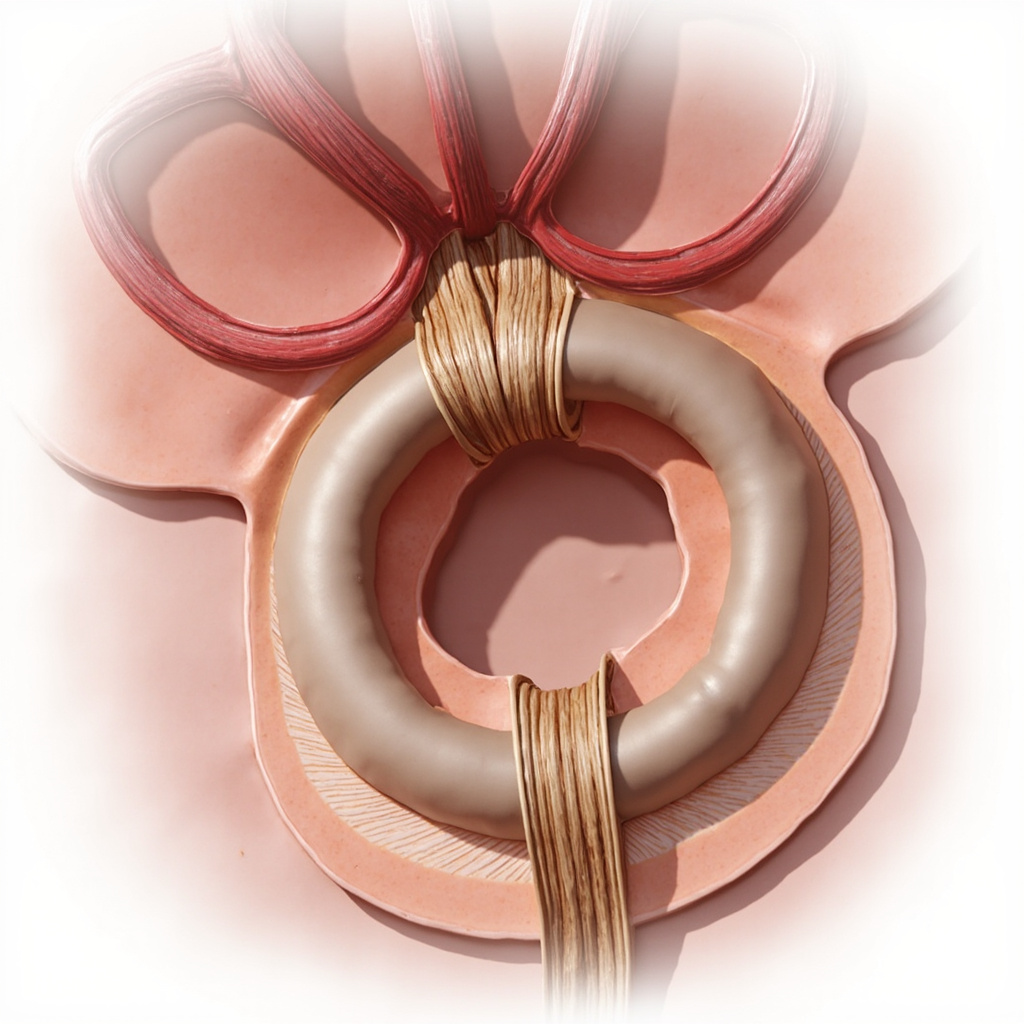
Sphincter: Muscle controlling bladder opening
(urogenital.bladder.sphincter)A sphincter in the context of the urogenital bladder is a ring-like muscle located at the junction of the bladder and the urethra. When functioning properly, it controls the release of urine by contracting to hold urine in the bladder and relaxing to allow urine to be expelled. If malfunctioning, it can lead to urinary incontinence (inability to hold urine) or urinary retention (inability to completely empty the bladder).
The urogenital bladder sphincter can help other priority organs by facilitating proper urine control, thereby promoting overall urinary health and stability, while also influencing emotional well-being through the management of feelings related to control and boundaries.
The malfunctioning of the bladder sphincter is often linked to emotions and feelings of control, territory, and boundaries. Feelings of insecurity, fear of losing control, or experiencing a significant change in one's life can contribute to issues with this organ. The inability to assert control over one's environment or personal space may manifest physically in the form of sphincter problems. Addressing these underlying emotional conflicts can potentially alleviate the symptoms.
The urogenital bladder sphincter is a critical muscle that functions to regulate urine flow from the bladder to the urethra, ensuring proper bladder control. By contracting, it retains urine, while relaxation allows for its expulsion, thereby playing a vital role in urinary health. This sphincter interacts closely with the nervous system and pelvic floor muscles, reflecting a system of interconnected structures essential for maintaining bodily functions. Its proper functioning not only supports physical health but also contributes to emotional well-being; issues with the sphincter may arise from feelings of insecurity or a lack of control in life, demonstrating the interplay between emotional states and physiological responses. Moreover, a healthy sphincter enhances overall vitality and resilience, as it enables individuals to engage confidently in social situations without the fear of incontinence. By recognizing the emotional and energetic dimensions tied to the sphincter, individuals can foster a more holistic approach to their health, addressing both physical and psychological factors to promote optimal well-being.
In BioCoherence, find the organ biomarkers and structures in Analyze > Body > Organs maps.
BioCoherence Personal Guide Meditation
Now, direct Your attention to a small yet significant muscle within Your body--the sphincter. This is a circular muscle located at the base of Your bladder. Picture it as a gentle guardian, nestled where Your bladder meets the urethra. Its primary role is to control the flow of urine from Your bladder to the outside world.
Visualize this muscle as a vigilant gatekeeper, ensuring that urine is stored safely within the bladder until You decide it is time to release it. This sphincter works in harmony with Your bladder and brain, responding to signals that tell it when to relax and when to contract.
Imagine the sphincter as a strong, flexible band, always ready to perform its duty. Feel its presence, knowing that it plays a crucial role in maintaining balance and control within Your body. As You deepen Your awareness, appreciate the sphincter's dedication to its task, allowing You to go about Your day without concern.
Hold this visualization, and let gratitude fill Your mind for this small but essential muscle, tirelessly working to support Your well-being.
BioCoherence Personal Guide Resource Meditation
Focus your awareness on the area just below your navel, where the sphincter of the bladder is located. This small but powerful muscle acts as a gateway, controlling the flow of energy within your body. Visualize it as a radiant source of strength and balance, a guardian that ensures harmony between various systems.
Picture the sphincter glowing with a warm, golden light. Feel this light growing stronger and more vibrant with each breath you take. This light represents the energy and information that the sphincter can send to other parts of your body, helping to balance and support them.
As you continue to breathe deeply, imagine this golden light spreading from the sphincter to all the areas of your body that need assistance. See it flowing like a gentle stream, reaching out to other organs, meridians, emotions, and acupuncture points. Feel the connection between the sphincter and these priorities, knowing that this powerful muscle is a source of unwavering support and balance.
With each exhale, feel the energy from the sphincter becoming stronger, more concentrated. This energy is now ready to be directed towards the specific priorities that will soon be addressed. Allow yourself to feel the confidence and assurance that this energy brings, knowing that it will provide the necessary support and balance to all the areas in need.
Remain in this state of focused awareness, holding the intention of sending this strong, balanced energy to the priorities that will follow. Prepare yourself to extend this energy, knowing that it will bring harmony and support to each area it touches.