


Body zones
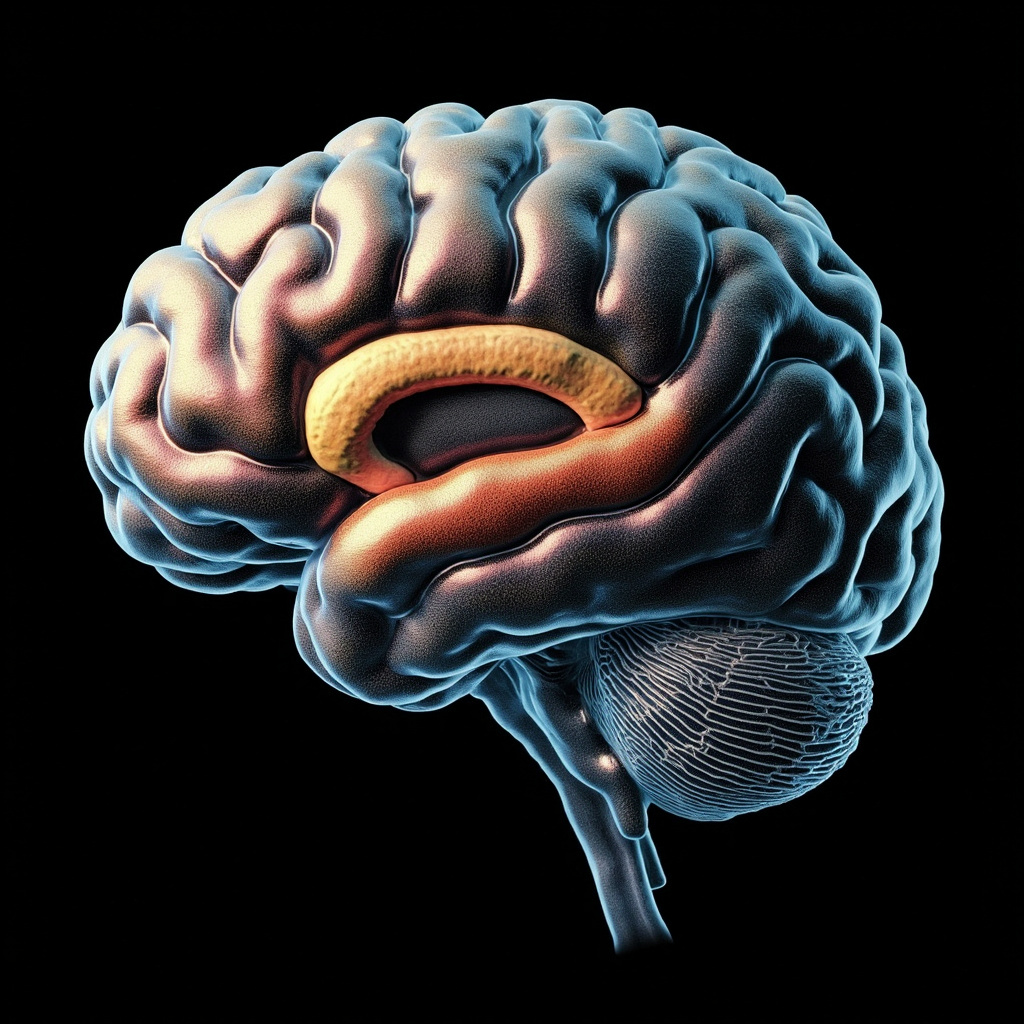
Visual Cortex: Brain Area for Processing Sight
(brain.cortex.visual)The visual cortex is located in the occipital lobe at the back of the brain. When functioning properly, it processes visual information received from the eyes, enabling perception of shapes, colors, and motion. If it malfunctions, possible effects include visual field loss, impaired depth perception, and difficulties recognizing objects or faces.
The visual cortex can help other priority organs by enhancing spatial awareness, providing clarity in interpreting sensory information, and facilitating emotional regulation through improved perception, which can alleviate feelings of confusion and fear.
The visual cortex is linked to the ability to see and interpret the world clearly. Emotional conflicts related to this area often involve issues of perception, such as feeling unable to see a solution to a problem, fear of the unknown, or difficulty accepting reality. Malfunctioning in this area may be associated with feelings of confusion, fear of visualizing the future, or a desire to avoid seeing unpleasant truths.
The visual cortex is a crucial brain structure located in the occipital lobe, responsible for processing visual information received from the eyes. It plays a vital role in interpreting shapes, colors, and motion, directly influencing our ability to navigate and interact with the world. A well-functioning visual cortex enhances cognitive clarity and emotional stability, contributing to overall physical and mental health by fostering resilience and vitality. It interacts closely with other brain regions, such as the temporal and parietal lobes, facilitating the integration of sensory input and emotional responses. This interconnectedness supports spatial awareness and enhances decision-making, empowering individuals to confront challenges with confidence. Importantly, the visual cortex is linked to emotional perceptions, where unresolved conflicts may manifest as anxiety or fear of confronting reality. By promoting a clear and accurate visual experience, the visual cortex aids in emotional regulation and reduces feelings of confusion, thereby reinforcing a sense of well-being and energetic balance. Understanding its functions and associations can help individuals cultivate a coherent connection between sight, perception, and overall health.
In BioCoherence, find the organ biomarkers and structures in Analyze > Body > Organs maps.
To comment, subscribe to the newsletter and get exclusive BioCoherence offers, please create a free account
Legal page
Website (c) 2026 Coherence Labs; contents (c) their respective authors.
Disclaimer BioCoherence provides both an academic analysis and an energetic and experimental analysis.
The information displayed may or may not be correlated with the physical state of the systems.
Calculations are based on individual measurements and experimental algorithms.
All computed results like energy levels, entropy levels and coherent systems are designed to provide useful information for personal development, not for medical purposes. The usage of all results are under the sole responsibility or the user. In case of doubt, it is important to consult a medical doctor. Please check our EULA before deciding your use of the software.