


Body zones
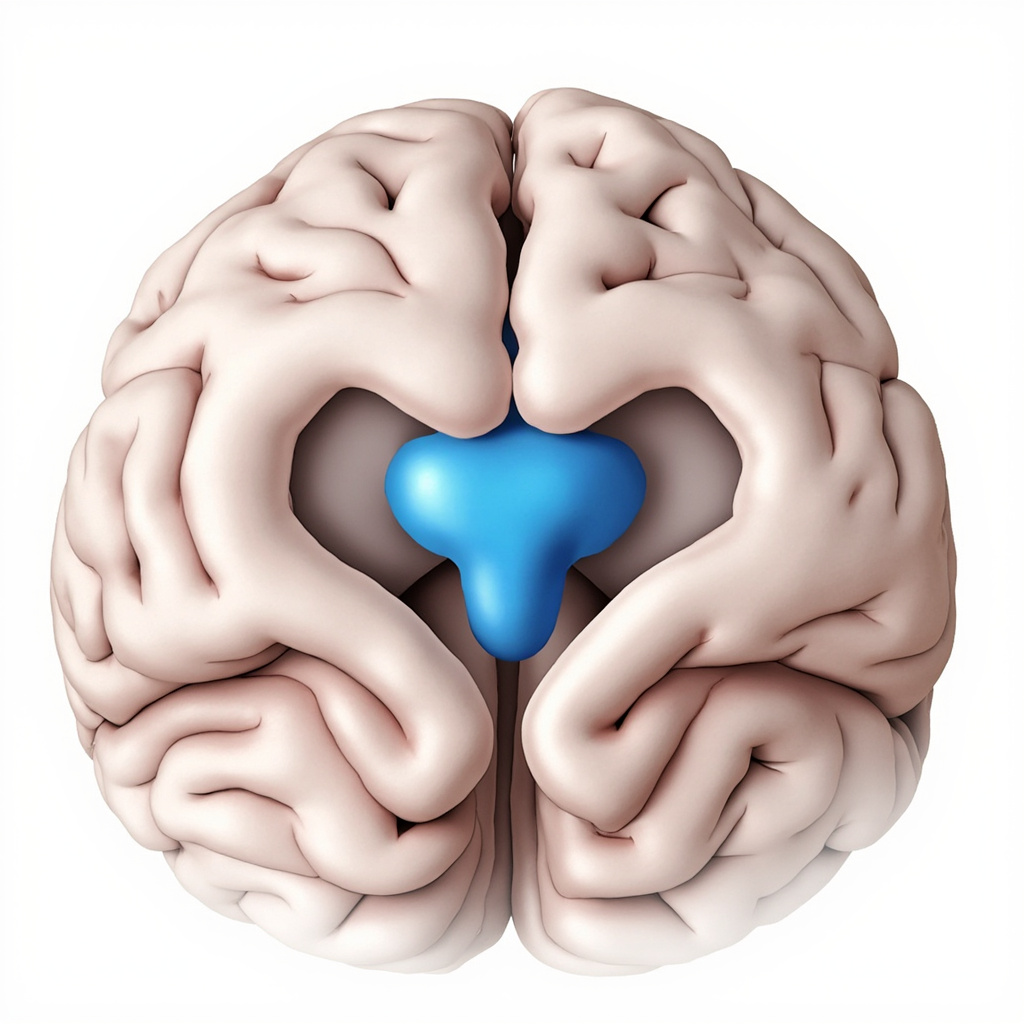
Motor Cortex: Controls Voluntary Muscle Movement
(brain.cortex.motor)The motor cortex is located in the frontal lobe of the brain, specifically in the precentral gyrus. When functioning properly, it is responsible for planning, controlling, and executing voluntary movements. If malfunctioning, it can lead to effects such as muscle weakness, impaired coordination, loss of dexterity, and difficulty in initiating movements, potentially resulting in conditions like paralysis or motor disorders.
The motor cortex can help by facilitating voluntary movements, enhancing coordination, and improving dexterity, while also influencing emotional well-being and overcoming feelings of restriction, ultimately promoting overall physical and psychological health.
The motor cortex is linked to emotions and feelings of movement and action. Possible causes of malfunctioning include a conflict related to feeling stuck, unable to move forward in life, or being restricted in actions. These feelings can manifest as physical issues in the motor cortex, affecting movement and coordination.
The motor cortex is a critical region located in the frontal lobe of the brain, specifically within the precentral gyrus, playing a pivotal role in the planning, control, and execution of voluntary movements. Its primary function is to coordinate muscle activity, influencing not only physical capabilities but also contributing to mental clarity and emotional resilience. The motor cortex interacts closely with other brain regions, such as the cerebellum and basal ganglia, which fine-tune movement and balance, ensuring smooth motor function. This interconnectedness underscores the systemic relationship between motor control and overall neuromuscular health. Emotionally, the motor cortex is associated with feelings of empowerment and freedom; dysfunction can lead to a sense of being stuck, mirroring physical limitations in movement. Such emotional connections highlight the motor cortex's role in energetic health, as overcoming these restrictions fosters vitality and resilience. By facilitating effective movement and enhancing coordination, the motor cortex not only supports physical health but also nurtures an individual's overall well-being, empowering them to engage fully in life.
In BioCoherence, find the organ biomarkers and structures in Analyze > Body > Organs maps.
BioCoherence Personal Guide Meditation
As you continue to breathe deeply, allow your attention to gently shift to the motor area of the brain. This region lies in the upper middle part of your brain, near the top of your head. Imagine it as a small, intricate control center, guiding and orchestrating every movement of your body.
Visualize this area as a vibrant, pulsating hub. It interacts closely with other parts of the brain, receiving messages and sending out precise instructions to your muscles. Picture tiny signals traveling from this area, flowing through your nervous system like a network of glowing pathways, reaching every part of your body.
The motor area is responsible for transforming your intentions into actions. When you decide to lift your arm, take a step, or even smile, it is this part of your brain that carefully coordinates these movements. Envision how it harmonizes each muscle contraction and relaxation, ensuring fluidity and grace in everything you do.
As you dwell on this image, appreciate the complexity and efficiency of this control center. Feel gratitude for its role in enabling you to interact with the world through motion. Allow this sense of appreciation to deepen your connection with your body, acknowledging the intricate dance of signals and responses that occur within you every moment.
BioCoherence Personal Guide Resource Meditation
In this moment of deep meditation, we turn our attention to the motor cortex, a vital resource within the brain. The motor cortex, located at the rear of the frontal lobe, is responsible for voluntary movements. Visualize this area as a vibrant, pulsating source of life and energy, radiating strength and coordination throughout your body.
As you breathe deeply, imagine drawing in energy from the universe, channeling it directly into your motor cortex. Feel this energy intensify, becoming a powerful, luminous force. With each inhalation, allow this energy to grow stronger, filling the motor cortex with a brilliant light that enhances its capacity to support and regulate movement.
Now, focus on the interactions of the motor cortex with other parts of your body. See it as a master conductor, skillfully directing the symphony of muscles, tendons, and nerves. This energy not only aids in physical movement but also supports balance and harmony within the entire system.
To access this energy, visualize a glowing connection between your breath and the motor cortex. Each breath you take feeds this connection, amplifying the energy within. Feel this energy build, becoming an ever-stronger force within you.
When you feel the energy has reached its peak, prepare to share this abundant resource with other priorities in need. Imagine channels of light extending from the motor cortex to various areas of the body that require support. These channels carry the potent energy, balancing, healing, and revitalizing each targeted area.
Hold this vision as you transition to focusing on specific priorities. Allow the motor cortex's energy to flow freely, offering its strength and support to each area in turn, ensuring every part of your being receives the nourishment it requires.