


Body zones
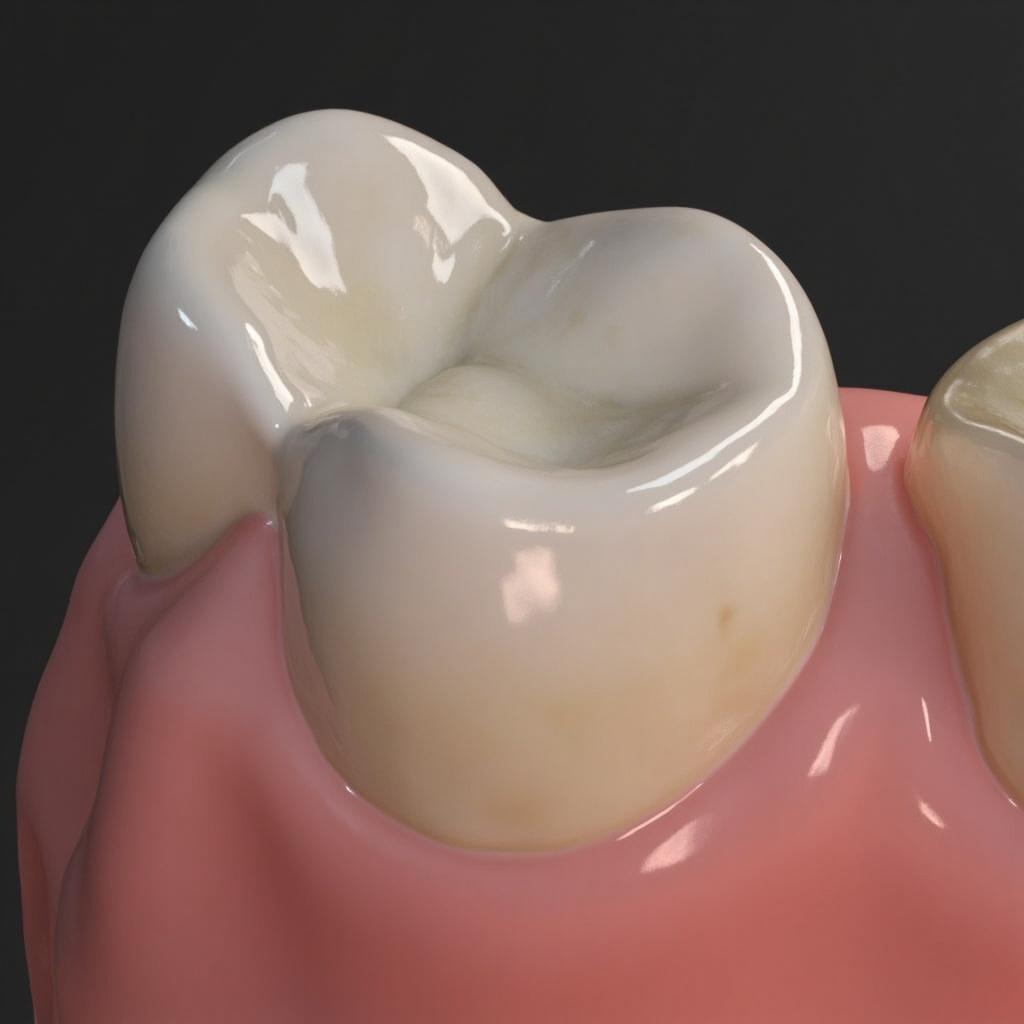
Lower Left First Molar: Tooth 36 (Medically Valid)
(teeth.36)Lower left first molar
This resource organ can help by facilitating the release of emotional tension related to family conflicts, promoting a sense of security and stability, and encouraging healing through the resolution of underlying issues that may manifest physically.
The lower left first molar is associated with the emotions and feelings related to unresolved conflicts involving family, security, or territory. Issues with this tooth may indicate a struggle with stability, possibly linked to a fear of losing one's place or position within the family or community. This emotional turmoil can manifest as physical problems with the tooth, signaling a need to address and resolve these underlying conflicts.
The lower left first molar (tooth 36) plays a crucial role in oral health and overall well-being, primarily functioning in the mechanical breakdown of food, which is essential for digestion and nutrient absorption. This tooth is not only significant for its role in chewing but also serves as an indicator of emotional and energetic health, particularly in relation to familial and territorial issues. Its health can reflect systemic interactions with the jaw and temporomandibular joint (TMJ), influencing both physical comfort and emotional stability. Problems with this tooth may signal deeper unresolved issues that affect not only dental integrity but also mental resilience and emotional well-being. From an energetic perspective, the lower left first molar is linked to feelings of security and belonging, suggesting that its health is intertwined with one's sense of stability in life. Maintaining the health of tooth 36 fosters vitality and resilience, encouraging a harmonious balance within the body that supports overall energetic health and enhances one's capacity to navigate personal and relational challenges.
In BioCoherence, find the organ biomarkers and structures in Analyze > Body > Organs maps.
To comment, subscribe to the newsletter and get exclusive BioCoherence offers, please create a free account
Legal page
Website (c) 2026 Coherence Labs; contents (c) their respective authors.
Disclaimer BioCoherence provides both an academic analysis and an energetic and experimental analysis.
The information displayed may or may not be correlated with the physical state of the systems.
Calculations are based on individual measurements and experimental algorithms.
All computed results like energy levels, entropy levels and coherent systems are designed to provide useful information for personal development, not for medical purposes. The usage of all results are under the sole responsibility or the user. In case of doubt, it is important to consult a medical doctor. Please check our EULA before deciding your use of the software.