


Body zones
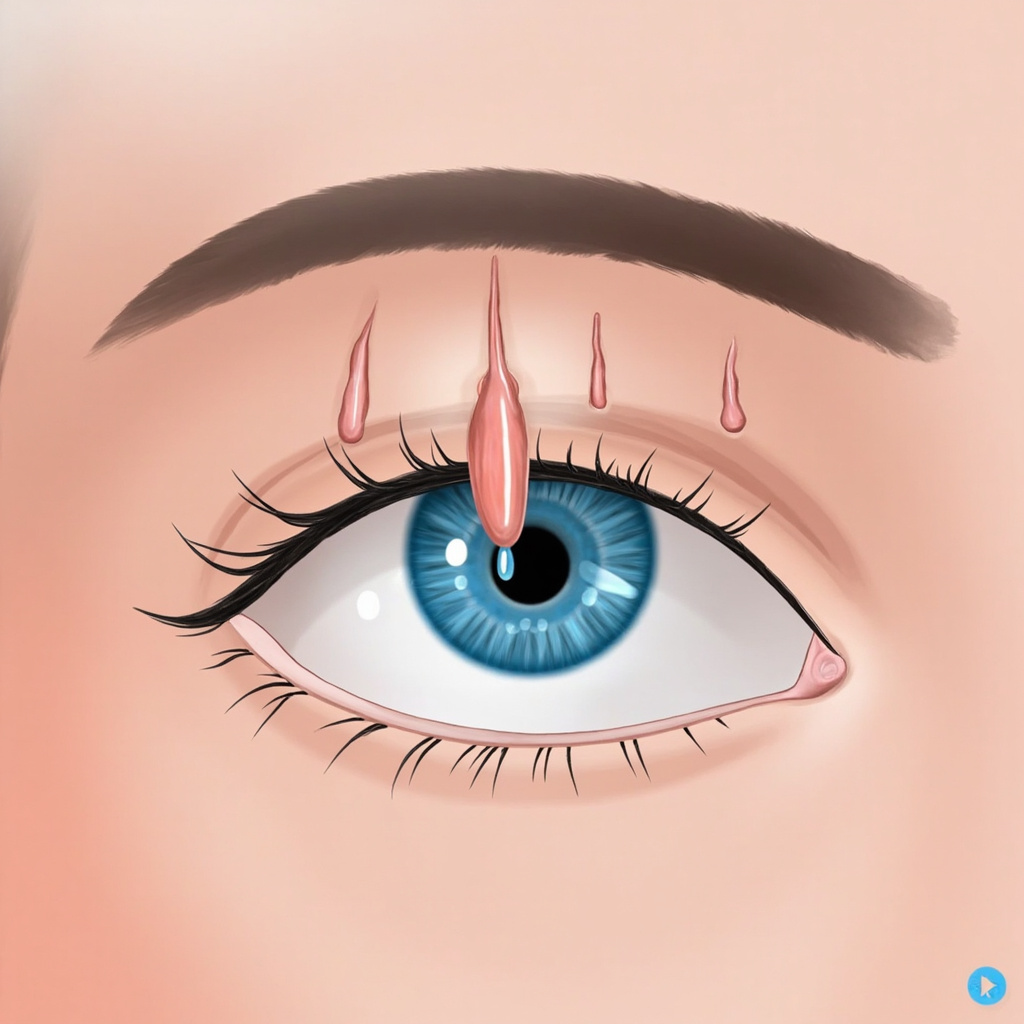
Tears: Fluid Produced by the Lacrimal Glands
(tears)Tears are produced by the lacrimal glands located above each eye. They lubricate the eyes, remove irritants, provide nutrients, and support vision. Proper tear function maintains eye health and comfort. Malfunctioning tear production can lead to dry eye syndrome, causing discomfort, increased risk of eye infections, and potential vision problems.
Tears can help other priority organs by providing emotional release that reduces stress, thereby promoting overall bodily harmony and facilitating better communication between emotional and physical health, which supports the well-being of the eyes and other organs.
Tears are often linked to deep emotional conflicts involving loss, sadness, or a need for emotional release. They may indicate unresolved grief or a sense of helplessness. Excessive or lack of tears can signify suppressed emotions or an inability to express feelings openly. Emotional imbalances, such as feeling overwhelmed or disconnected, could be underlying causes of tear-related issues.
Tears are a crucial fluid produced by the lacrimal glands that serve multiple essential functions in maintaining overall health. Primarily, they lubricate the eyes, wash away irritants, and deliver nutrients, thereby supporting not only visual acuity but also eye comfort. Beyond physical roles, tears have profound implications for mental and emotional well-being. The act of crying can facilitate emotional release, helping to alleviate stress and tension, which in turn fosters a more harmonious connection between emotional and physical health. This systemic interaction enhances the vitality of the nervous system, promoting resilience against stressors. Additionally, tears are often linked to emotional states, serving as an indicator of underlying issues such as grief or sadness. Their production can be influenced by interactions with the endocrine system, which regulates stress hormones, further highlighting the interconnectedness of bodily systems. By aiding in emotional expression and reducing psychological strain, tears significantly contribute to overall energy, vitality, and well-being, reinforcing the notion that emotional health is integral to physical health.
In BioCoherence, find the organ biomarkers and structures in Analyze > Body > Organs maps.
To comment, subscribe to the newsletter and get exclusive BioCoherence offers, please create a free account
Legal page
Website (c) 2026 Coherence Labs; contents (c) their respective authors.
Disclaimer BioCoherence provides both an academic analysis and an energetic and experimental analysis.
The information displayed may or may not be correlated with the physical state of the systems.
Calculations are based on individual measurements and experimental algorithms.
All computed results like energy levels, entropy levels and coherent systems are designed to provide useful information for personal development, not for medical purposes. The usage of all results are under the sole responsibility or the user. In case of doubt, it is important to consult a medical doctor. Please check our EULA before deciding your use of the software.