


Body zones
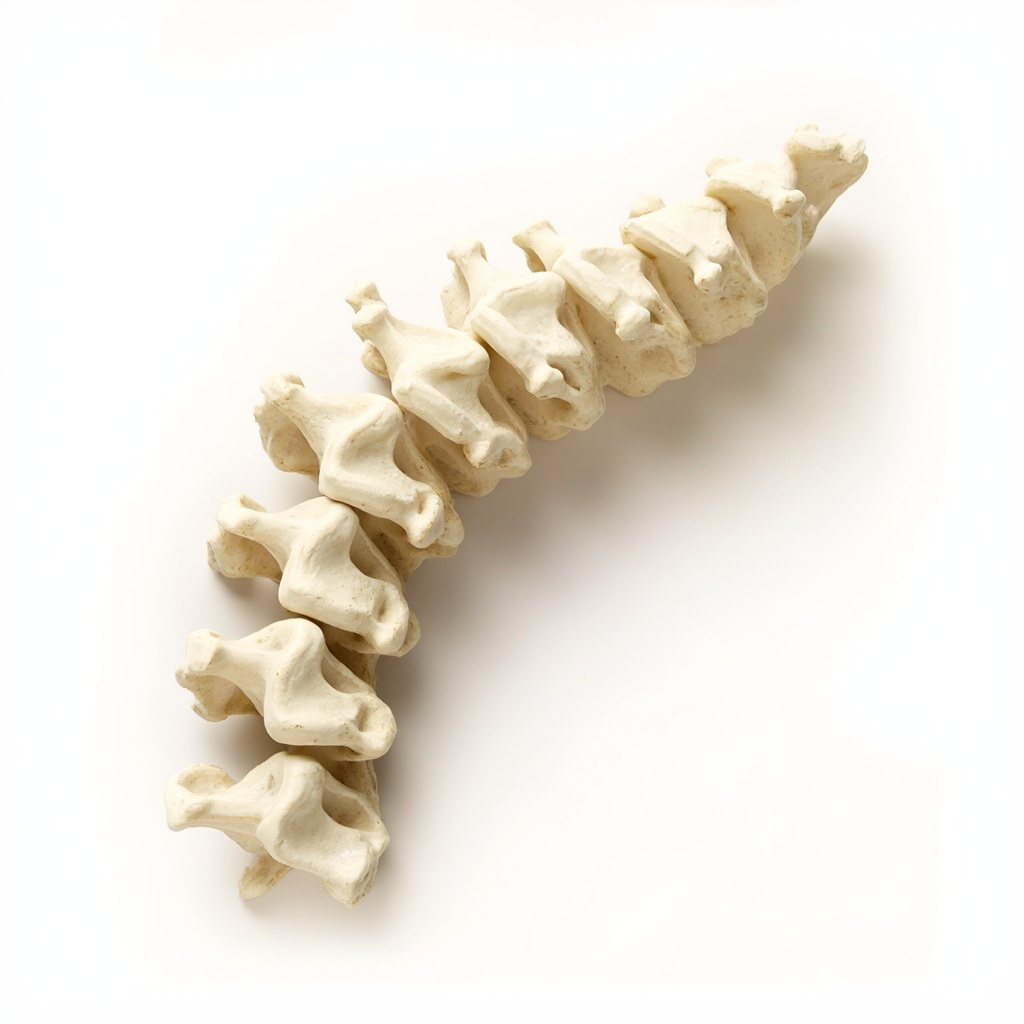
Thoracic Spine Vertebra 3: Middle Back Vertebra
(spinalcords.Th3)Th3, or the third thoracic vertebra, is located in the upper-middle part of the spine, specifically in the thoracic region. When functioning properly, it helps protect the spinal cord, supports the rib cage, and contributes to the overall structural integrity and flexibility of the spine. If Th3 malfunctions or suffers injury, it can lead to pain, reduced mobility, and potentially impact the nerves that originate from this region, possibly causing issues such as numbness, tingling, or weakness in the areas of the body served by these nerves.
Th3 can help by enhancing structural support and flexibility of the spine, promoting nerve function to reduce pain and mobility issues, and addressing emotional well-being by alleviating feelings of insecurity and fear of judgment.
The T3 vertebra is associated with feelings of insecurity, fear of judgment, and concerns about self-worth. Malfunctions in this area could be linked to emotional stress related to feeling unsupported or undervalued, potentially stemming from conflicts involving personal relationships or social acceptance.
The third thoracic vertebra (Th3) plays a crucial role in maintaining spinal health and overall well-being. Situated in the upper-middle thoracic region, Th3 protects the spinal cord and supports the rib cage, facilitating proper respiratory function and upper body mobility. This vertebra is integral to the nervous system, as it houses nerve roots that influence the heart, lungs, and upper extremities, establishing essential connections throughout the body. When Th3 is misaligned or injured, it can disrupt these connections, leading to physical symptoms such as pain, reduced mobility, and altered nerve function, potentially resulting in sensations like numbness or weakness. Additionally, Th3 is associated with emotional states, particularly feelings of insecurity and fear of judgment, which can manifest as stress or anxiety in interpersonal relationships. By ensuring optimal alignment and function of Th3, individuals can enhance their energy, vitality, and resilience, supporting not just physical health but also emotional and energetic balance. This holistic approach fosters a sense of stability and self-worth, essential for overall wellness and personal empowerment.
In BioCoherence, find the organ biomarkers and structures in Analyze > Body > Organs maps.
To comment, subscribe to the newsletter and get exclusive BioCoherence offers, please create a free account
Legal page
Website (c) 2026 Coherence Labs; contents (c) their respective authors.
Disclaimer BioCoherence provides both an academic analysis and an energetic and experimental analysis.
The information displayed may or may not be correlated with the physical state of the systems.
Calculations are based on individual measurements and experimental algorithms.
All computed results like energy levels, entropy levels and coherent systems are designed to provide useful information for personal development, not for medical purposes. The usage of all results are under the sole responsibility or the user. In case of doubt, it is important to consult a medical doctor. Please check our EULA before deciding your use of the software.