


Body zones
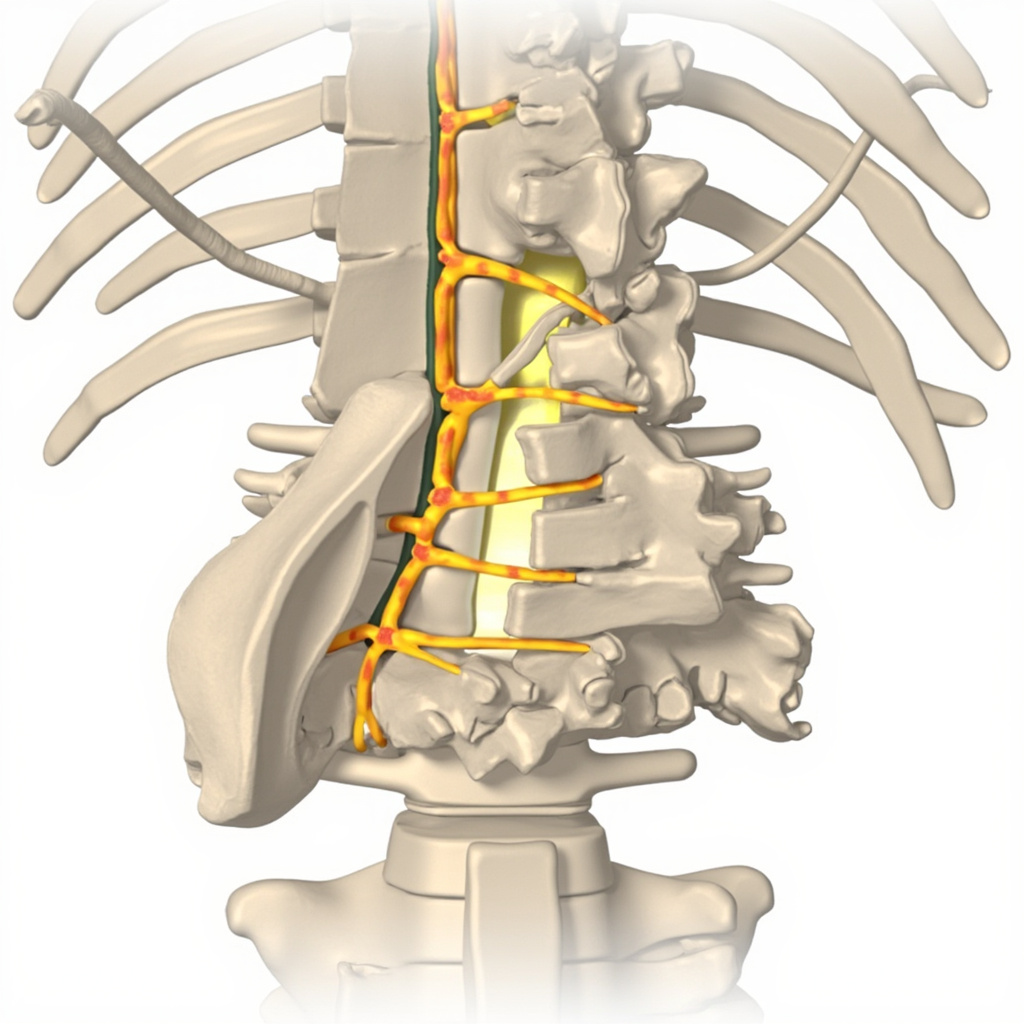
Second Sacral Segment of the Spinal Cord
(spinalcords.S2)S2 (second sacral vertebra) is located in the sacral region of the spinal cord, near the pelvis. When functioning properly, it helps control muscles and nerves in the pelvic region, including parts of the bladder, bowel, and some sexual functions. Malfunctioning or injury to S2 can lead to issues such as urinary and fecal incontinence, sexual dysfunction, and pain or weakness in the lower limbs.
S2 can assist other organs by regulating pelvic muscle and nerve functions, enhancing emotional well-being related to sexual identity and self-worth, and addressing unresolved conflicts that may manifest as physical symptoms, thereby promoting overall balance and health.
S2, associated with the sacral region of the spine, is linked to emotions and feelings related to sexual identity, basic survival instincts, and self-worth. Malfunctioning in this area may indicate unresolved conflicts or stress around these themes, such as feelings of insecurity, guilt, or repressed sexuality. Addressing these emotional factors may help in understanding and potentially alleviating physical symptoms in the S2 region.
The S2 (second sacral segment of the spinal cord) plays a critical role in the body's neuromuscular and autonomic functions, particularly in the pelvic region. It governs the motor control of pelvic muscles and the sensory innervation of organs like the bladder and bowel, thereby influencing vital functions such as urination and defecation. Additionally, S2 is intricately linked with the autonomic nervous system, which regulates involuntary functions, contributing to homeostasis and overall vitality. This segment also interacts with the lumbar and thoracic spinal segments, highlighting its role in a broader neural network that affects lower limb strength and sensory perception. Emotionally, S2 is associated with feelings of sexual identity, self-worth, and survival instincts, making its health essential for emotional resilience. Dysfunction in this area can lead to not only physical symptoms but also emotional disturbances, indicating the need for a holistic approach to well-being. By maintaining the health of the S2 region, individuals can enhance their energy, resilience, and overall quality of life, fostering a deeper connection between physical health and emotional stability.
In BioCoherence, find the organ biomarkers and structures in Analyze > Body > Organs maps.
BioCoherence Personal Guide Meditation
Picture, if You will, the lower part of Your spine, a crucial segment known as the sacral region. Within this area lies the S2 vertebra, a small but vital bone nestled towards the base of Your spine. Imagine this vertebra as a sturdy pillar, providing support and stability for Your body.
Now, visualize the intricate network of nerves emerging from this region. These nerves branch out like the roots of a tree, extending down into Your legs and reaching into Your pelvic area. They are responsible for transmitting important signals that allow You to move and feel sensations in these parts of Your body.
Consider the interactions that take place here. The S2 vertebra works in harmony with other parts of Your spine, helping to maintain balance and support Your movements. It also plays a key role in controlling Your bladder and bowel functions, ensuring that these essential processes run smoothly.
As You focus on this area, imagine a warm, soothing light enveloping the S2 vertebra and its surrounding nerves. Feel the sense of strength and stability radiating from this core part of Your body. Appreciate the intricate design and the vital functions it performs, often without Your conscious awareness.
Allow Yourself to connect deeply with this part of Your anatomy, recognizing its importance and the harmony it brings to Your overall well-being.
BioCoherence Personal Guide Resource Meditation
Focus your attention on the base of your spine, specifically on the area known as the sacral segment of the spinal cord, commonly referred to as S2. This segment is located in the lower part of your back, just above the tailbone.
Visualize a bright, warm light emanating from this region, filling your entire lower back with a soothing, golden glow. Imagine this light as a powerful source of energy, capable of nourishing and supporting other parts of your body.
Feel the energy gathering in S2, becoming stronger and more concentrated. As it builds, sense its readiness to assist and balance the various priorities within your body.
Picture this energy flowing freely from S2, radiating outwards and traveling through your entire being. It moves effortlessly, reaching out to organs, meridians, emotions, and acupuncture points that require support.
Allow this energy to flow naturally, intuitively finding and balancing areas that need attention. Trust in the power of S2 to send healing energy and vital information to wherever it is needed most.
Maintain this connection with S2, feeling the continuous flow of energy, and prepare to direct this powerful force to the specific priorities that will follow in your meditation.
[Continue with the next priorities.]