


Body zones
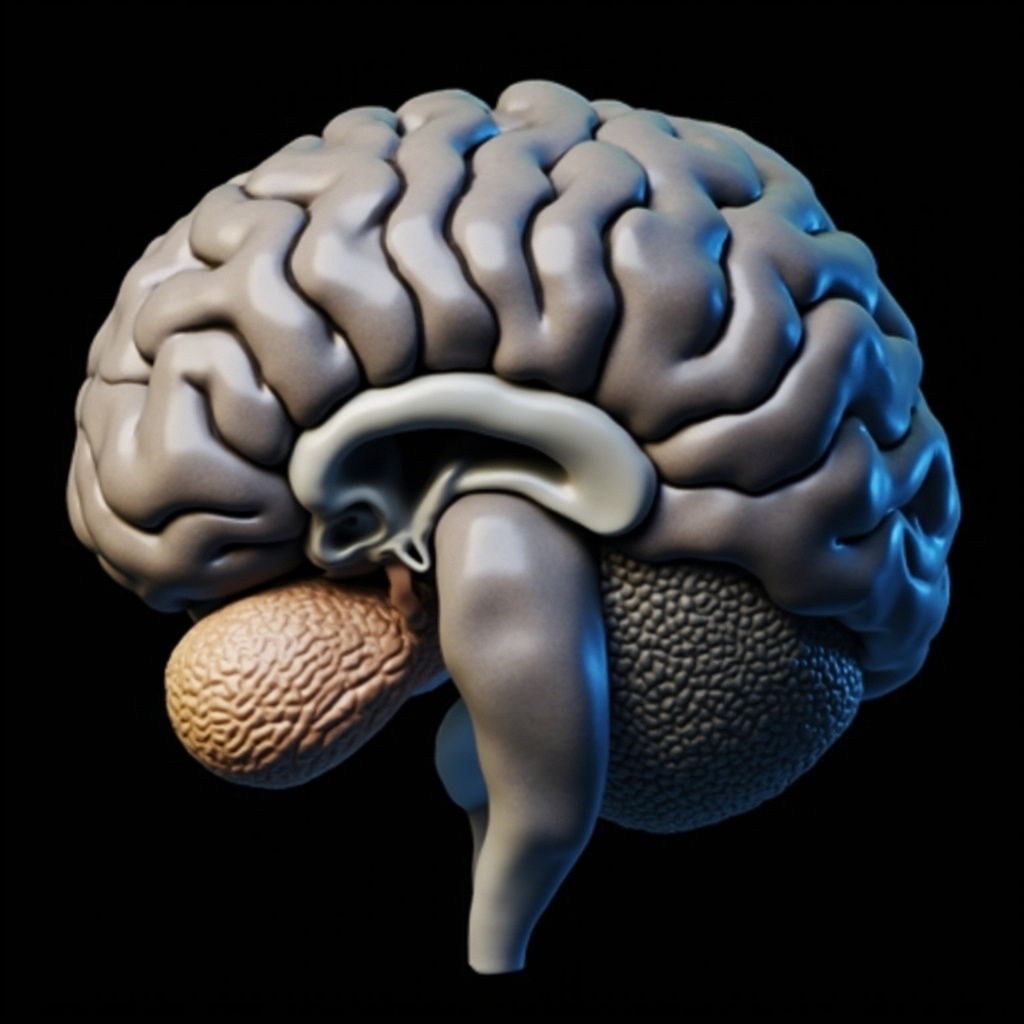
Cerebellum: Coordination and balance center of the brain
(brain.cerebellum)The cerebellum is located at the lower back part of the brain, beneath the occipital lobes and above the brainstem. When functioning properly, it is responsible for coordinating voluntary movements, maintaining posture and balance, and refining motor activity. If the cerebellum malfunctions, possible effects include loss of coordination, unsteady gait, difficulty with fine motor tasks, and problems with speech and eye movements.
The cerebellum can help other organs by coordinating motor functions, enhancing balance and posture, and optimizing energy distribution, thereby supporting overall bodily stability and efficiency in response to emotional and physical stressors.
The cerebellum is linked to emotions and feelings of balance, coordination, and control. Malfunctioning may indicate underlying issues related to an inability to manage or coordinate one's life effectively. This could stem from feelings of instability, lack of support, or challenges in handling responsibilities. Emotional stress and pressure to maintain control over various aspects of life might manifest physically in the cerebellum.
The cerebellum is a vital structure located at the back of the brain, primarily responsible for coordinating voluntary movements, maintaining balance, and fine-tuning motor skills. It contributes significantly to overall physical, mental, and energetic health by ensuring smooth, precise movements and postural stability, which are essential for daily activities and athletic performance. The cerebellum interacts closely with the brainstem and motor cortex, facilitating communication between these regions to optimize motor function and energy distribution throughout the body. Beyond its physical roles, the cerebellum is intricately linked to emotional regulation; it can reflect one's ability to manage stress and navigate life's complexities. Disruptions in cerebellar function may manifest as coordination issues and emotional instability, indicating a need for holistic approaches to support resilience and well-being. By fostering better coordination, the cerebellum enhances vitality and energy levels, helping individuals maintain balance in both physical and emotional realms. This interconnection underscores the cerebellum's role in sustaining not just motor skills, but also an integrated sense of wellness and life harmony.
In BioCoherence, find the organ biomarkers and structures in Analyze > Body > Organs maps.
To comment, subscribe to the newsletter and get exclusive BioCoherence offers, please create a free account
Legal page
Website (c) 2026 Coherence Labs; contents (c) their respective authors.
Disclaimer BioCoherence provides both an academic analysis and an energetic and experimental analysis.
The information displayed may or may not be correlated with the physical state of the systems.
Calculations are based on individual measurements and experimental algorithms.
All computed results like energy levels, entropy levels and coherent systems are designed to provide useful information for personal development, not for medical purposes. The usage of all results are under the sole responsibility or the user. In case of doubt, it is important to consult a medical doctor. Please check our EULA before deciding your use of the software.