


Body zones
Spinal Cords: Essential Nerve Pathways in the Body
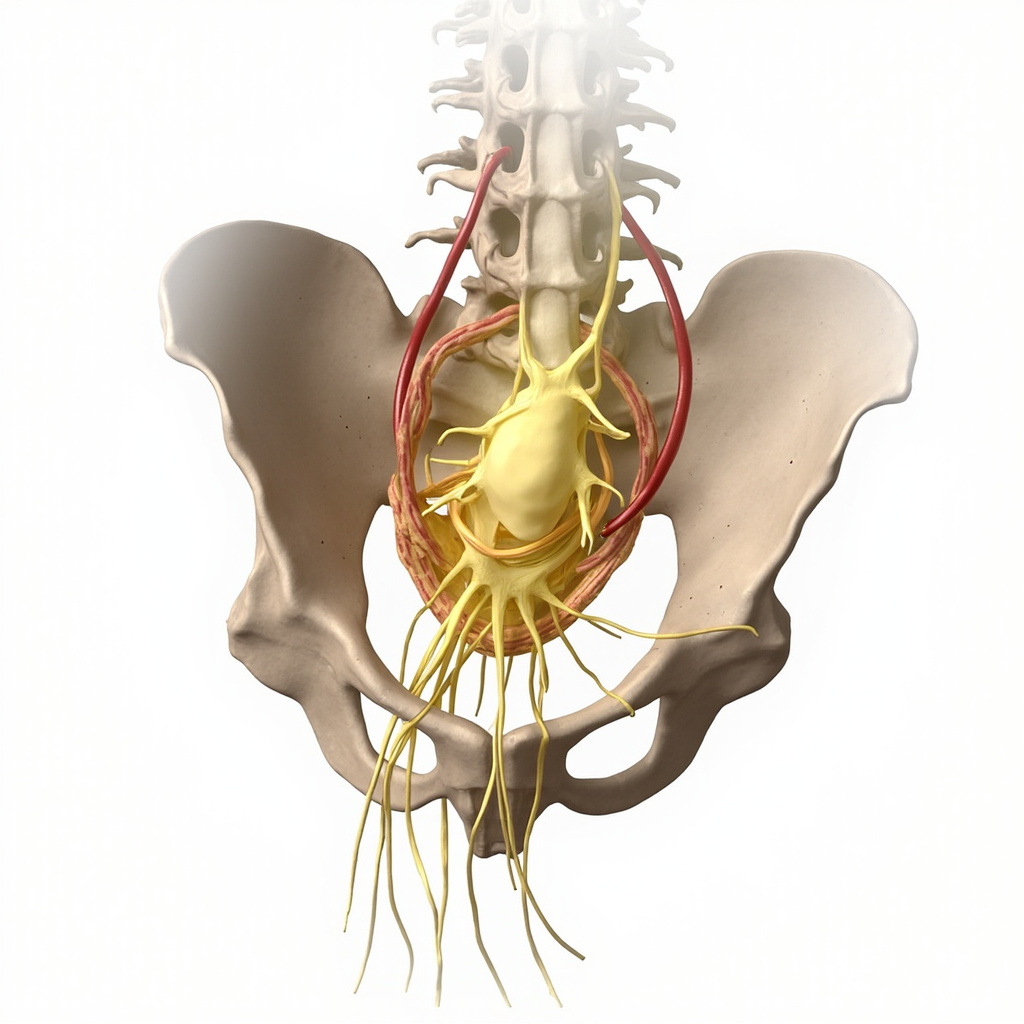
(spinalcords.Co)Co, in the context of spinalcords.Co, refers to the coccygeal nerve located at the coccyx (tailbone) at the base of the spine. When functioning properly, it contributes to sensory and motor functions in the pelvic region. Malfunctioning of the coccygeal nerve can lead to pain, numbness, or dysfunction in the pelvic area, affecting bowel and bladder control, and potentially causing chronic pain conditions such as coccydynia.
The coccygeal nerve can help by restoring sensory and motor functions in the pelvic region, alleviating pain and dysfunction, and promoting emotional stability and support, thus enhancing overall well-being.
The spinal cord is linked to feelings of support and stability. Malfunctions in this organ may indicate a sense of a lack of support, feeling overwhelmed by responsibilities, or experiencing a significant threat to one's security. Emotional stress, such as feeling unsupported or burdened, can manifest in spinal cord issues. Addressing these emotions and seeking ways to regain a sense of balance and support can be crucial for recovery and health.
The coccygeal nerve, located at the base of the spine, plays a crucial role in the nervous system, primarily influencing the pelvic region's sensory and motor functions. Its proper functioning is essential for maintaining bowel and bladder control, and it has significant implications for overall physical and mental health. When the coccygeal nerve operates optimally, it helps facilitate normal pelvic function, contributing to energy, vitality, and emotional stability. Disruptions in its activity can lead to chronic pain conditions like coccydynia, which may resonate with feelings of insecurity or overwhelm. The coccygeal nerve interacts closely with other structures, including the sacral plexus, linking it to lower limb sensations and motor control. This systemic connection emphasizes the coccygeal nerve's role in resilience and well-being, as it supports a sense of grounding and stability. Emotional health is intertwined with its function; addressing any feelings of being unsupported can enhance recovery. By nurturing the health of the coccygeal nerve, individuals can foster a holistic sense of well-being, empowering both physical and emotional vitality.
In BioCoherence, find the organ biomarkers and structures in Analyze > Body > Organs maps.
BioCoherence Personal Guide Meditation
Visualize now the spinal cord, a vital and remarkable structure within Your body. Picture it running down the center of Your back, nestled within the protective embrace of Your spine. It resembles a long, slender cord, beginning at the base of Your brain and continuing down to Your lower back.
Imagine this cord as a central highway, bustling with information. It carries messages from Your brain to every part of Your body, and vice versa. These messages control Your movements, sensations, and even some automatic functions like breathing and digestion.
Feel the energy within this cord, a steady and powerful current, ensuring communication and coordination throughout Your being. Envision it glowing with vitality, a strong and resilient pillar within You.
The spinal cord is crucial for movement and sensation. When You decide to move a limb, the command travels down this cord. Similarly, when You touch something, the sensation travels up to Your brain through this pathway.
Appreciate the spinal cord's role in Your overall well-being. It is both a bridge and a messenger, linking Your mind with Your body, enabling You to interact with the world seamlessly.
Hold this image in Your mind, honoring the spinal cord's essential contributions to Your daily life. Feel gratitude for its presence, strength, and reliability.
BioCoherence Personal Guide Resource Meditation
Focus your attention on the spinal cord, a central and powerful resource within your body. Located within your spine, it extends from the base of your brain down through the vertebral column. Visualize it as a luminous, radiant axis of energy and information, connecting your brain to the rest of your body.
Imagine the spinal cord glowing with a bright, golden light. This light represents its immense capacity to send energy, balance, and healing throughout your entire being. Feel the warmth and vibrancy of this energy, pulsing gently and rhythmically, aligning with your breath.
As you breathe in, visualize the energy from the spinal cord growing stronger, more vibrant, and more radiant. With each inhale, draw in more light and energy, allowing it to build and accumulate within this central channel.
With each exhale, see this energy spreading outwards, flowing through every nerve, reaching every organ, meridian, emotion, and point within your body. Feel how this powerful energy starts to touch and invigorate all other priorities that need help, providing them with strength, balance, and harmony.
Continue to breathe deeply and rhythmically, allowing the glow of the spinal cord to become even more intense and expansive. Know that this energy is always accessible to you, ready to nourish and support every part of your being.
Prepare yourself now to send this potent energy to specific areas that require attention, healing, and balance. Allow the energy from your spinal cord to flow freely, ready to benefit each priority as they arise in the meditation.