


Body zones
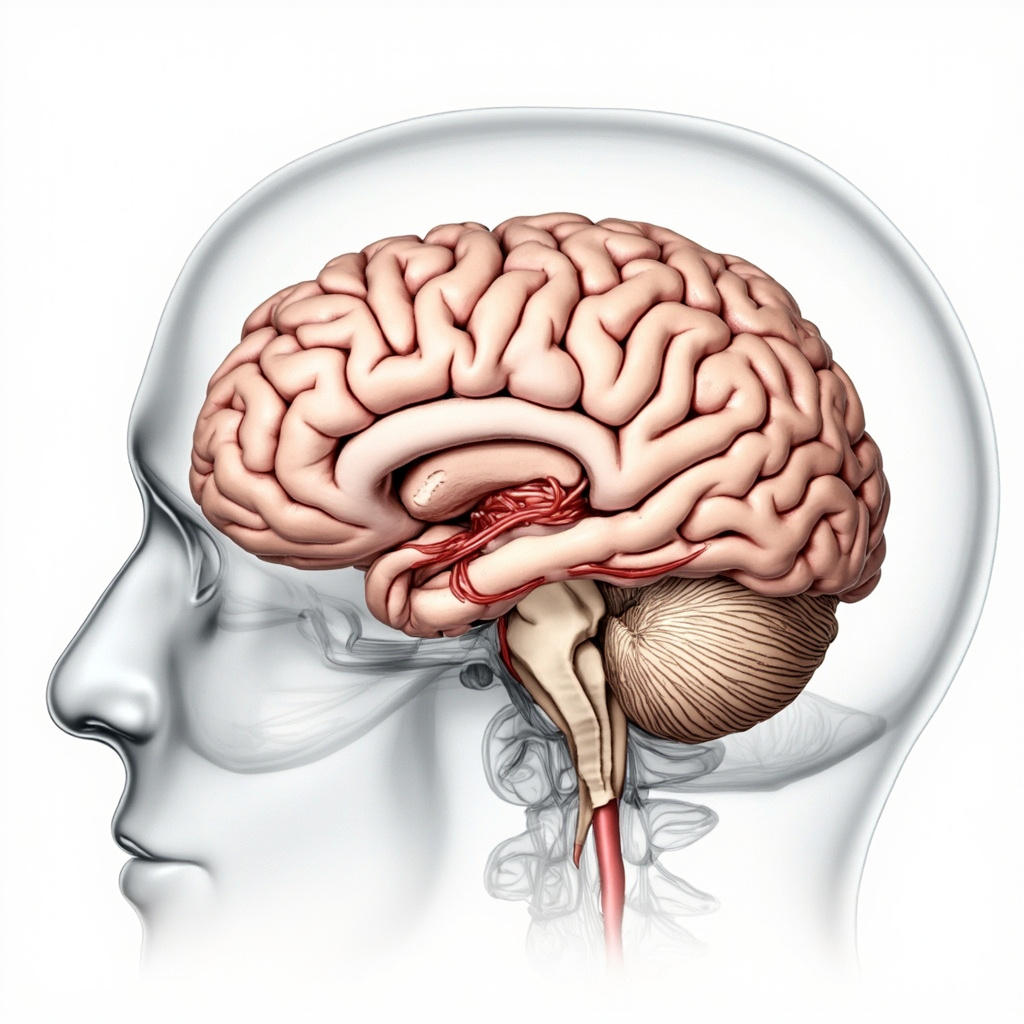
Brain: The Control Center of the Body
(brain)The brain is located in the skull and is the central organ of the human nervous system. When functioning properly, it controls thought, memory, emotion, touch, motor skills, vision, breathing, temperature, and many other processes that regulate the body. If the brain malfunctions, it can lead to various effects such as cognitive impairments, emotional disturbances, motor dysfunction, sensory deficits, and autonomic system failures.
The brain can help other organs by coordinating their functions through the nervous system, regulating energy distribution, processing sensory information, and managing emotional states to promote overall well-being and balance in the body.
The brain is linked to control, intelligence, and processing of emotions. Malfunctioning may indicate unresolved conflicts or stress, such as feeling overwhelmed by responsibilities, fear of losing control, or difficulty making decisions. Emotional stress, trauma, or a sense of powerlessness can also impact brain function. Addressing and resolving these emotional issues may help improve brain health.
The brain is the central organ of the nervous system, responsible for coordinating and integrating bodily functions while influencing mental and emotional health. It regulates cognitive processes such as thought, memory, and learning, and plays a crucial role in managing emotional responses and stress levels. The brain interacts closely with other organs, such as the heart and endocrine system, coordinating responses to maintain homeostasis and overall energy distribution throughout the body. This systemic connectivity ensures that emotional and physical states are aligned, as the brain processes sensory inputs and emotional cues that inform bodily responses. Additionally, a healthy brain enhances resilience and vitality, promoting an energetic state that supports daily activities and overall well-being. Emotional and energetic associations, such as mindfulness and stress management, are vital for sustaining brain health, as they can mitigate the effects of stress and trauma on cognitive function. By fostering a balanced emotional environment and engaging in practices that stimulate the brain, individuals can enhance their cognitive ability and emotional stability, ultimately leading to improved quality of life.
In BioCoherence, find the organ biomarkers and structures in Analyze > Body > Organs maps.
To comment, subscribe to the newsletter and get exclusive BioCoherence offers, please create a free account
Legal page
Website (c) 2026 Coherence Labs; contents (c) their respective authors.
Disclaimer BioCoherence provides both an academic analysis and an energetic and experimental analysis.
The information displayed may or may not be correlated with the physical state of the systems.
Calculations are based on individual measurements and experimental algorithms.
All computed results like energy levels, entropy levels and coherent systems are designed to provide useful information for personal development, not for medical purposes. The usage of all results are under the sole responsibility or the user. In case of doubt, it is important to consult a medical doctor. Please check our EULA before deciding your use of the software.