


Body zones
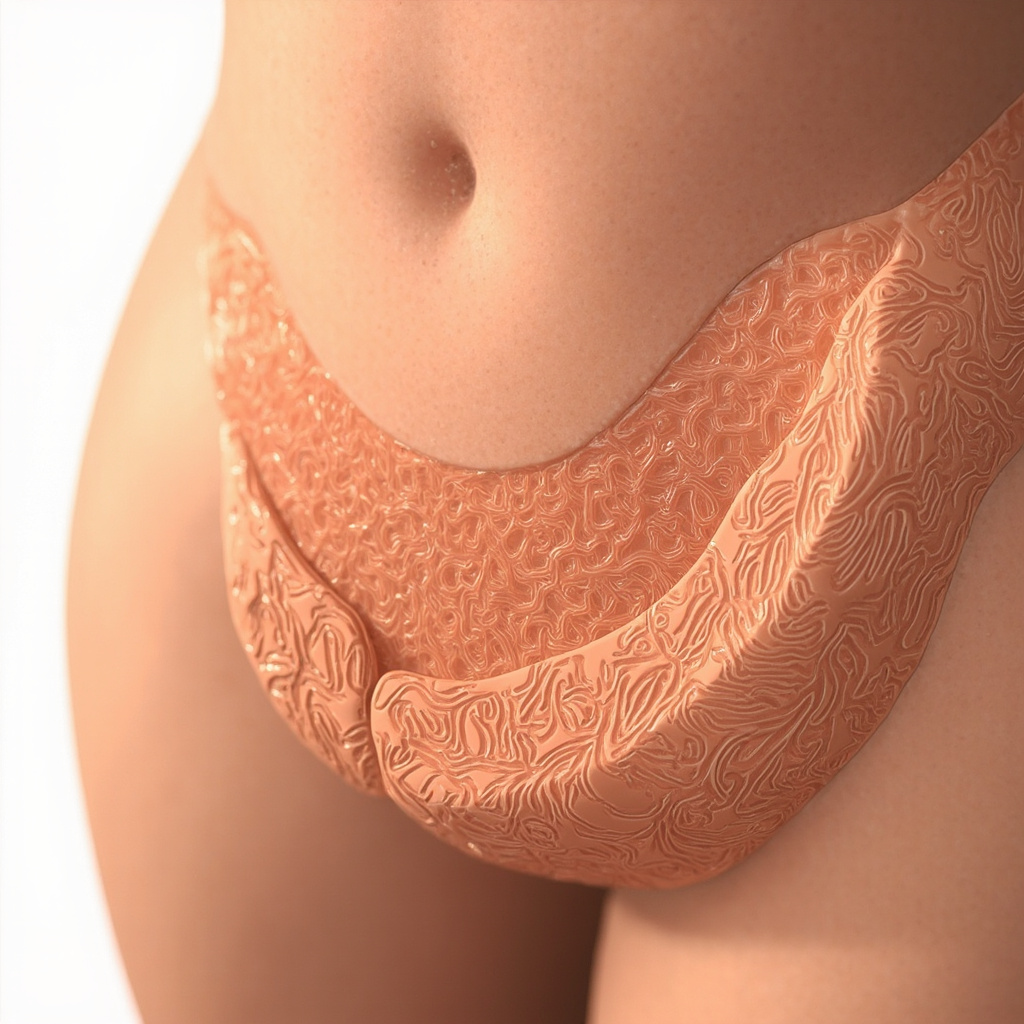
Skin: The Body's Protective Outer Layer
(skin)Skin is the body's largest organ, covering the entire exterior. It acts as a protective barrier against environmental hazards, regulates temperature, and enables sensory perception. Properly functioning skin maintains hydration, protects against microbes, and facilitates vitamin D synthesis. Malfunctioning skin can lead to infections, dehydration, impaired temperature regulation, and increased sensitivity to environmental damage.
The skin can help other organs by providing protection against pathogens, regulating temperature to support metabolic processes, maintaining hydration levels to enhance overall cellular function, and facilitating sensory feedback that informs the body about environmental conditions, ultimately promoting a sense of safety and well-being.
The skin is often linked to an individual's boundaries and how they relate to their environment. Emotional conflicts related to separation, feeling attacked, or not being able to protect oneself can manifest as skin issues. Possible causes of malfunctioning may include feelings of being unloved, fear of rejection, or unresolved trauma involving physical contact. Skin problems can also represent a desire for more contact or protection, highlighting issues with self-identity and self-worth.
Skin, the body's largest organ, plays a critical role in maintaining overall health and vitality. It serves as a protective barrier against environmental threats, regulates temperature, and facilitates sensory perception, directly influencing physical well-being. Beyond its protective functions, skin contributes to mental health by reflecting emotional states; issues such as anxiety or stress can manifest as skin conditions. The skin interacts with various organs, including the immune system, which relies on skin integrity to prevent infections, and the endocrine system, where skin synthesizes vitamin D, essential for calcium metabolism and bone health. Moreover, skin health is linked to hydration levels, which affect cellular function and energy levels. Emotionally, skin can symbolize personal boundaries and self-identity; conflicts regarding protection and acceptance may lead to skin issues, emphasizing the psychological connection to physical health. By nurturing skin through proper care and awareness of emotional well-being, individuals can enhance their energy, resilience, and overall vitality, fostering a holistic approach to health that encompasses both body and mind.
In BioCoherence, find the organ biomarkers and structures in Analyze > Body > Organs maps.
To comment, subscribe to the newsletter and get exclusive BioCoherence offers, please create a free account
Legal page
Website (c) 2026 Coherence Labs; contents (c) their respective authors.
Disclaimer BioCoherence provides both an academic analysis and an energetic and experimental analysis.
The information displayed may or may not be correlated with the physical state of the systems.
Calculations are based on individual measurements and experimental algorithms.
All computed results like energy levels, entropy levels and coherent systems are designed to provide useful information for personal development, not for medical purposes. The usage of all results are under the sole responsibility or the user. In case of doubt, it is important to consult a medical doctor. Please check our EULA before deciding your use of the software.