


Body zones
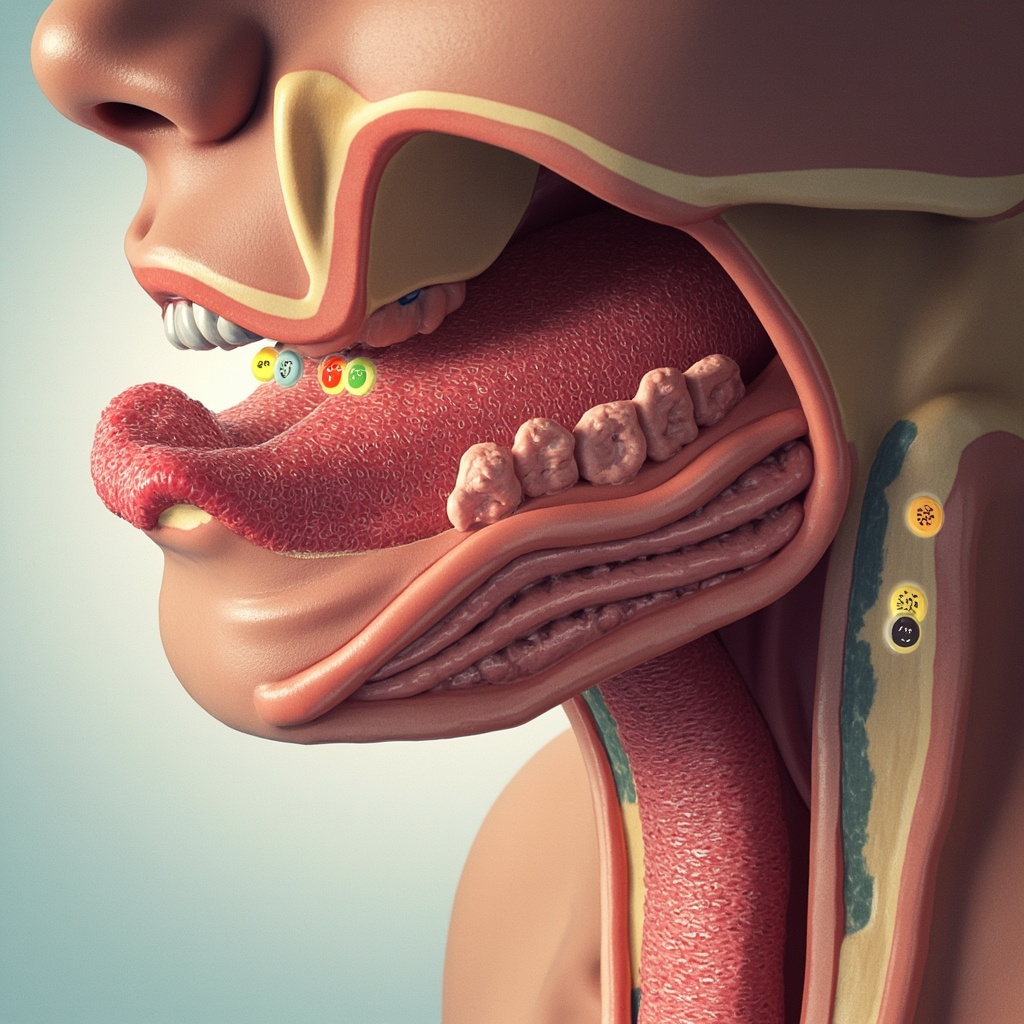
Taste: The Sense of Flavor Perception
(senses.taste)Taste is localized primarily in the taste buds on the tongue, but also in the roof of the mouth, throat, and esophagus. When functioning properly, taste helps identify flavors (sweet, sour, salty, bitter, umami), aids in nutrient detection, and triggers digestive processes. If malfunctioning, it can lead to altered taste perception (dysgeusia), loss of taste (ageusia), or an inability to detect certain flavors, potentially affecting appetite, nutrition, and overall health.
The sense of taste can help other organs by providing crucial information about nutrient quality and safety, thereby guiding appetite and digestive processes, while also influencing emotional well-being and decision-making through discernment and judgment of experiences.
The sense of taste is linked to emotions such as discernment and the ability to judge the quality of experiences. A malfunctioning taste sense may indicate unresolved conflicts related to a fear of being poisoned or harmed by something ingested, feeling repulsed by a situation or relationship, or a need to better discern and accept the sweetness or bitterness of life experiences.
Taste, a vital sensory system primarily located in the taste buds, plays an essential role in flavor perception and nutrient assessment, significantly influencing our overall health and well-being. It helps identify key flavors-sweet, sour, salty, bitter, and umami-which guide dietary choices and stimulate digestive processes by triggering saliva and gastric secretions. Taste interacts closely with the olfactory system, enhancing flavor perception and contributing to appetite regulation, while also linking to the brain's reward pathways, which can affect mood and emotional health. A well-functioning taste sense supports energy levels and vitality by promoting nutrient intake and fostering a positive relationship with food. Additionally, the emotional aspects associated with taste can reflect broader life experiences; for example, a diminished sense of taste may signal unresolved emotional conflicts or a need to reassess one's relationship with nourishment and pleasure. Thus, maintaining the integrity of taste not only ensures proper nutrition but also enhances resilience and overall well-being, reinforcing the interconnectedness of our sensory experiences and holistic health.
In BioCoherence, find the organ biomarkers and structures in Analyze > Body > Organs maps.
To comment, subscribe to the newsletter and get exclusive BioCoherence offers, please create a free account
Legal page
Website (c) 2026 Coherence Labs; contents (c) their respective authors.
Disclaimer BioCoherence provides both an academic analysis and an energetic and experimental analysis.
The information displayed may or may not be correlated with the physical state of the systems.
Calculations are based on individual measurements and experimental algorithms.
All computed results like energy levels, entropy levels and coherent systems are designed to provide useful information for personal development, not for medical purposes. The usage of all results are under the sole responsibility or the user. In case of doubt, it is important to consult a medical doctor. Please check our EULA before deciding your use of the software.