


Body zones
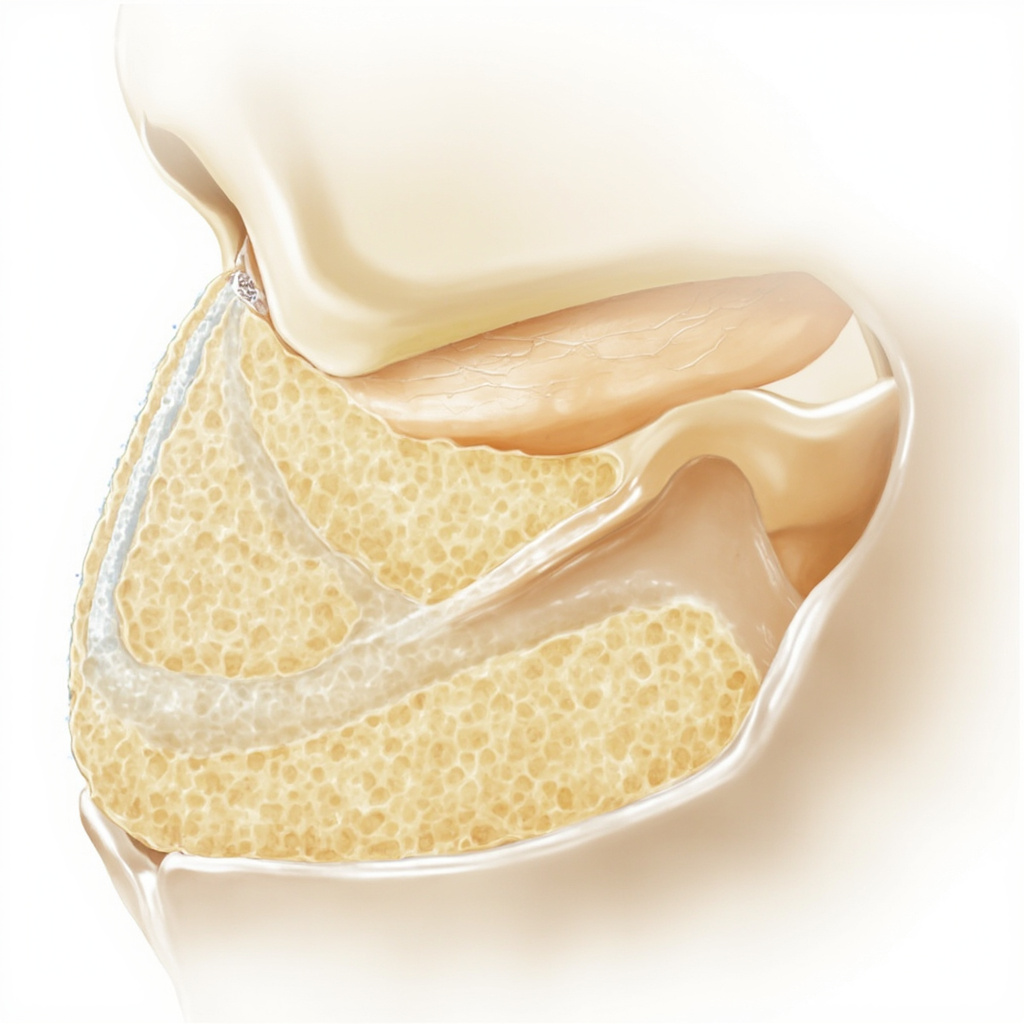
Ethmoidal Bone: Structure of the Nasal Cavity
(senses.nose.ethmoidal)The ethmoidal cells are air cells located within the ethmoid bone between the nose and the eyes. When functioning properly, they help to filter, humidify, and warm the air we breathe. They also contribute to the sense of smell and provide structural support to the nasal cavity. If malfunctioning, such as in cases of sinusitis, it can cause symptoms like nasal congestion, pressure, pain around the eyes, headaches, and reduced sense of smell.
The ethmoidal bone can help by enhancing the filtration, humidification, and warming of inhaled air, thereby supporting respiratory health, improving the sense of smell, and contributing to emotional well-being through its connections to identity and safety perception.
The ethmoidal bone, associated with the nose and sense of smell, is linked to emotions and feelings related to identity, self-recognition, and the ability to sense danger or safety in one's environment. Issues with this organ may indicate conflicts or distress regarding one's place in the world, personal boundaries, or a perceived inability to "smell out" threats or opportunities. Malfunctioning may stem from unresolved emotional conflicts, stress, or trauma related to these themes.
The ethmoidal bone plays a crucial role in the anatomy of the nasal cavity, housing the ethmoidal air cells that facilitate the filtration, humidification, and warming of inhaled air. This structure not only supports respiratory health but is also integral to the sense of smell, significantly impacting emotional and psychological states. The ethmoidal bone is anatomically connected to other craniofacial structures, influencing sinus function and contributing to the systemic respiratory system. Proper functioning of the ethmoidal cells helps prevent conditions like sinusitis, which can lead to discomfort and diminished quality of life. The ethmoidal bone is associated with personal identity and emotional safety, as it helps individuals perceive environmental cues related to danger and security. Thus, maintaining the health of the ethmoidal bone and its air cells is vital for enhancing energy, vitality, and resilience. Disruptions in this area can manifest as emotional disturbances or a diminished sense of well-being, underlining its importance in holistic health practices that recognize the interconnectedness of physical and emotional health.
In BioCoherence, find the organ biomarkers and structures in Analyze > Body > Organs maps.
BioCoherence Personal Guide Meditation
Imagine now an organ nestled deep within the structure of the nose, known as the ethmoidal. Picture it as a small, intricate labyrinth of tiny air cells, located between the eyes and extending towards the nasal cavity. You might visualize it as a delicate honeycomb, providing a passageway for air.
This ethmoidal structure plays a crucial role in your sense of smell. As you breathe in, imagine air flowing gently through these tiny cells, carrying with it scents and aromas that you encounter. The ethmoidal cells help to filter and warm the air, ensuring that what you inhale is clean and at a comfortable temperature.
Consider how the ethmoidal interacts with the rest of your body. It is closely connected to your olfactory system, the part of you that detects scents. As air passes through, sensory messages are sent to your brain, allowing you to recognize and differentiate various smells.
Visualize now the ethmoidal cells working in harmony with your nasal passages and sinuses. They are part of a larger network that helps maintain balance and health within your respiratory system. Picture the ethmoidal as a guardian of your nasal health, filtering impurities and supporting your sense of smell.
Reflect on the importance of this small but significant organ. It is a reminder of the intricate and interconnected nature of your body, where even the smallest parts play a vital role in your overall well-being.
BioCoherence Personal Guide Resource Meditation
Focus your awareness on the ethmoidal organ, located deep within the center of your nasal cavity, behind the bridge of your nose and between your eyes. This organ is a vital source of energy and information, connecting you to your senses and enhancing your overall balance.
Visualize this area now. Imagine a bright, warm light emanating from the ethmoidal organ, radiating outward with each breath you take. As you inhale deeply, feel the light intensify, growing stronger and more vibrant. This light is a reservoir of energy, ready to be accessed and shared throughout your body.
With each exhale, sense the warmth and light spreading from the ethmoidal organ to all corners of your being. Feel it flow through your nasal passages, down your throat, and into your chest. Let it circulate, reaching every organ, every cell, every acupuncture point, and every meridian that needs balance and support.
Picture the ethmoidal organ as a hub of communication, seamlessly sending energy and information to areas that require assistance. Your ethmoidal organ helps harmonize emotions, bringing clarity and calm to your mind. It aligns with the body's natural rhythms, ensuring a harmonious flow of energy.
Continue to breathe deeply, drawing in more light and energy with each inhalation. Allow this powerful force to build within the ethmoidal organ, becoming a beacon of strength and balance. Feel this energy pulsing, vibrant and alive, ready to assist any part of your body that needs it.
Prepare to send this accumulated energy to the different priorities that will now be addressed. Visualize the ethmoidal energy flowing effortlessly, reaching out to provide support, healing, and balance wherever it is needed.
[Continue the meditation with the specific priorities that require the ethmoidal organ's energy.]