


Body zones
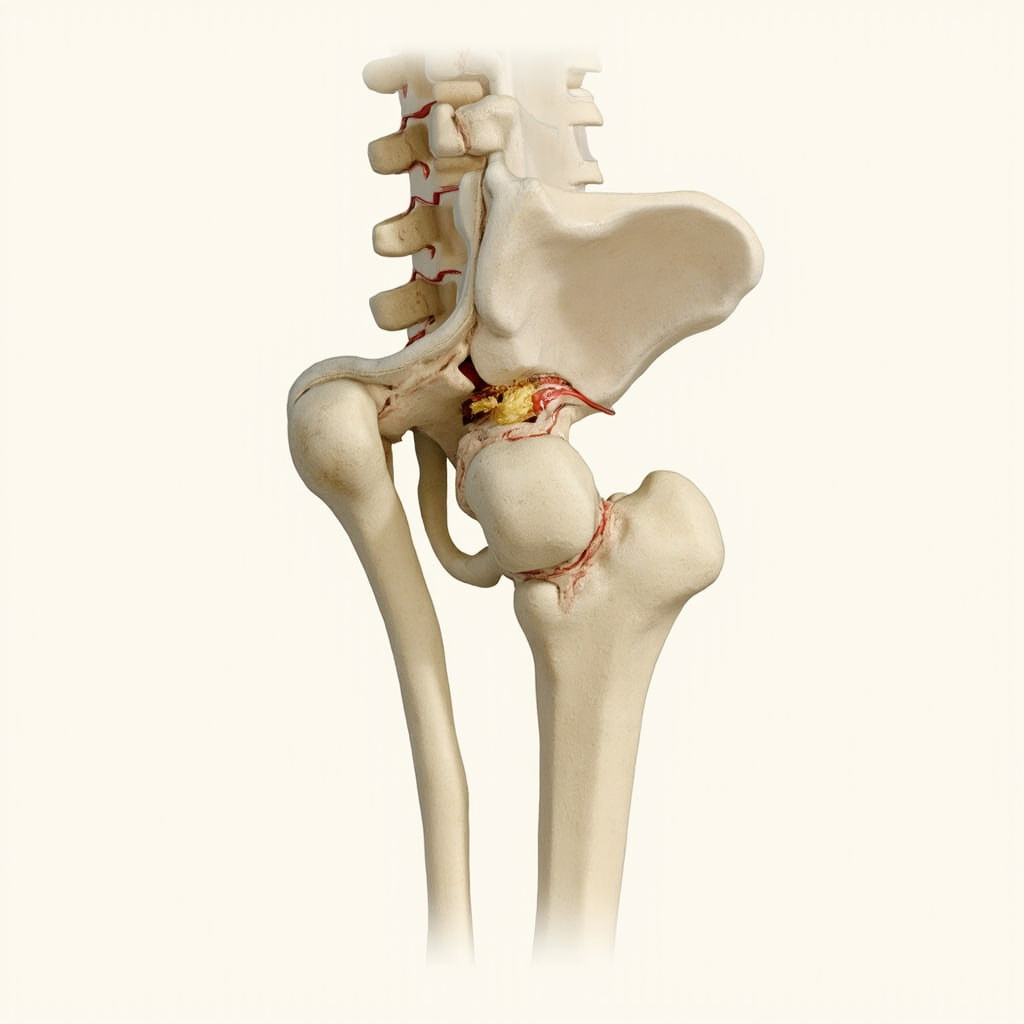
Right Bones: Structure and Function of the Skeleton
(bones.right)The right bone, such as the right femur or right humerus, is located on the right side of the body. When functioning properly, it supports movement, provides structural stability, and protects vital organs. If malfunctioning or injured, effects can include pain, limited mobility, improper posture, and potential damage to surrounding tissues or organs.
The right bone can help by providing structural support and stability to the body, facilitating movement, and protecting vital organs, while also influencing emotional balance and assertiveness in relation to external pressures and authority.
The right side of the body is often associated with the masculine aspects, such as authority, rationality, and external expression. Issues or malfunctions in the right side, including bones, may be linked to struggles with these aspects, such as difficulties in asserting oneself, conflicts with authority, or challenges in expressing one's power and rationality. It can also reflect struggles with external pressures and expectations. Emotions such as anger, frustration, or feeling undervalued might be connected to these physical manifestations.
The right bones, such as the right femur and right humerus, are essential components of the skeletal system that provide crucial support for movement, stability, and protection of vital organs. These bones not only facilitate physical activities but also play a significant role in maintaining postural alignment, which is vital for overall energetic health. Proper functioning of the right bones is interconnected with surrounding muscles, joints, and the nervous system, influencing motor control and coordination. Imbalances or injuries can lead to physical limitations, which may manifest as emotional challenges such as frustration or a sense of inadequacy, particularly in asserting oneself or responding to external demands. The right side of the body is often linked to qualities such as assertiveness and rational thought, and dysfunction here may impede one's ability to express these traits effectively. By supporting structural integrity and facilitating movement, the right bones contribute to overall vitality and resilience, highlighting their importance in both physical well-being and emotional equilibrium. Understanding their role can empower individuals to enhance their health and navigate life's challenges with greater confidence.
In BioCoherence, find the organ biomarkers and structures in Analyze > Body > Organs maps.
To comment, subscribe to the newsletter and get exclusive BioCoherence offers, please create a free account
Legal page
Website (c) 2026 Coherence Labs; contents (c) their respective authors.
Disclaimer BioCoherence provides both an academic analysis and an energetic and experimental analysis.
The information displayed may or may not be correlated with the physical state of the systems.
Calculations are based on individual measurements and experimental algorithms.
All computed results like energy levels, entropy levels and coherent systems are designed to provide useful information for personal development, not for medical purposes. The usage of all results are under the sole responsibility or the user. In case of doubt, it is important to consult a medical doctor. Please check our EULA before deciding your use of the software.