


Body zones
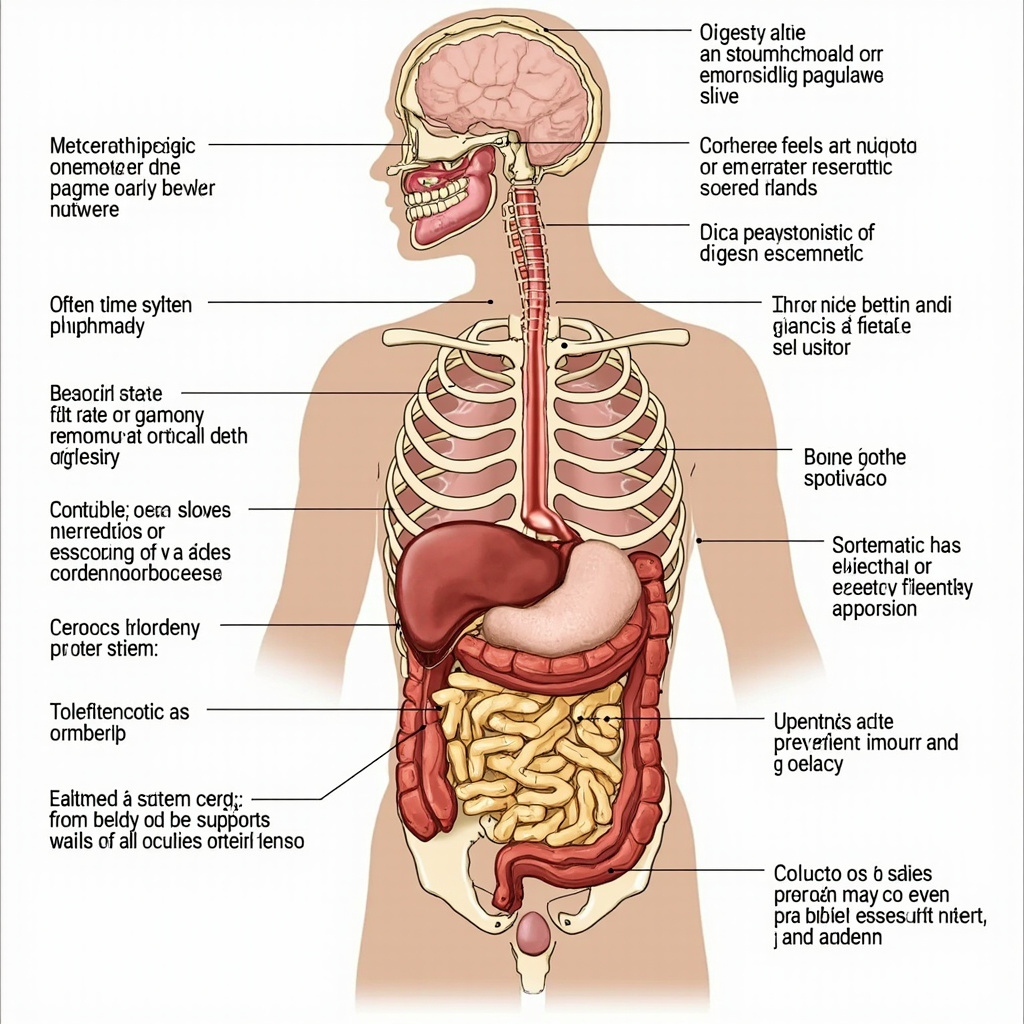
Parasympathetic Nervous System: Rest and Digest Functions
(parasympathetic)The parasympathetic nervous system is part of the autonomic nervous system, primarily localized in the brainstem and the sacral spinal cord. It promotes rest and digestion by slowing the heart rate, increasing intestinal and gland activity, and relaxing sphincter muscles. Proper functioning results in bodily relaxation, energy conservation, and efficient digestion. Malfunctioning can lead to issues such as digestive problems, abnormal heart rates, and difficulties in urination.
The parasympathetic nervous system can help other organs by promoting relaxation and restoration, enhancing digestive efficiency, regulating heart rate to maintain stability, and supporting emotional well-being, which collectively fosters overall bodily harmony and resilience.
The parasympathetic nervous system is often linked to emotions and feelings of relaxation, safety, and restoration. Malfunctions in this system may be associated with feelings of chronic stress, an inability to relax, or an overwhelming sense of responsibility. This could manifest as digestive issues, impaired immune function, or sleep disturbances. Emotional conflicts related to self-preservation, fear of losing control, or a deep-seated need for rest and recovery might be underlying causes.
The parasympathetic nervous system (PNS) is essential for regulating the body's rest and digest functions, contributing significantly to overall physical, mental, and energetic health. By facilitating a state of relaxation, the PNS slows the heart rate, enhances digestive processes, and promotes glandular secretions, thereby ensuring efficient nutrient absorption and energy conservation. It interacts closely with other systems, such as the endocrine system, by modulating hormonal responses that affect stress and metabolism. This system supports not only physical vitality but also emotional stability, fostering feelings of safety and calm, which are crucial for resilience against stressors. Any dysfunction can lead to chronic stress responses, impacting digestion, immune function, and sleep quality. Moreover, emotional associations with the PNS often relate to the need for self-care and restoration; individuals may experience anxiety or tension when the system is underactive. By nurturing the PNS, individuals can enhance their energy, vitality, and overall well-being, aligning their physical and emotional states for improved health and coherence.
In BioCoherence, find the organ biomarkers and structures in Analyze > Body > Organs maps.
Posts from our community
- Why Tired Moody Despite Healthy Diet Hormones?
- Why Stressed & Fatigued Despite Good Diet?
- Why Can't Relax & Digest Despite Diet?
- Autonomic Nerves Imbalance Signs?
- Parasympathetic Imbalance: Fatigue Stress?
- Why do I feel moody, anxious, or lacking motivation?
- Orthosympathetic Imbalance: Stress Signs?
- Parasympathetic Imbalance Signs: Stress Gut?
- Low MS Variation Signs: Fatigue Stress?
- High Stress Index HRV: Signs & Fixes?
- Low Adaptation Level Signs? Fatigue Stress?
- VLF Sympathetic Activity: Stress Fatigue Signs?
- Low Para-Sympathetic: Fatigue Stress Signs?
- LF/HF Ratio High? Stress Fatigue Signs?
- Low Relax Signal: Stress Fatigue Cause?
- Low Global Activity HRV: Fatigue Signs?
- Para-Sympathetic Imbalance: Stress Signs?
- Why Is My Diaphragm Always Tight? TCM Reveals the Emotional and Qi Blockage Behind Shallow Breathing and Anxiety
- Why Autonomic Dysfunction Causes My Anxiety Fatigue?
- Why Can't I Relax? The Hidden Truth About Your Nervous System
- Why does weak parasympathetic activity cause stress fatigue?
- Why Am I Always in Fight or Flight?
- Why Can't I Relax? The Secret Role of Your Parasympathetic System
- Why Weak Parasympathetic Causes Stress Fatigue?
- Why Low MS Variation Causes Fatigue?
- Why Can't My Heart Adapt to Stress?
- Why Stress Spikes My Blood Pressure?
- Why Tight Ribs Cause Anxiety & Shallow Breath?
- Why Brain Stress Causes Fog & Anxiety?
- Why Hindbrain Stress Causes Dizziness?
- Why Brainstem Triggers Survival Fears?
- Why Chest Tightness Signals Emotional Pain?
- Why Stress Clouds My Eye Lens Vision?
- Why Adrenal Medulla Causes Anxiety Fatigue?
- Why Feel Powerless? Anterior Pituitary Link
- Why High Adrenaline Causes Anxiety Fatigue?
- Why Does Stress Tighten My Chest Area?
- Why Does My Diaphragm Feel Tight When I Am Stressed?
- Why Stress Causes Neck Stiffness Pain?
- Why Autonomic Imbalance Causes Stress?
- Why Neuron Nuclei Cause Brain Fog?
- Why Do I Feel Trapped and Powerless?
- Why Low Parasympathetic Causes Stress?
- Why Is My Fight-or-Flight Stuck On?
- Why Is My Nose Always Stuffy?
- Why Is My Fight-or-Flight Stuck On?
- Why Does My Throat Feel Tight When I Am Stressed?
- Why High Stress Index Causes Fatigue Anxiety?
- Why Low Adaptation Level Causes Stress & Fatigue?
- Why High VLF Causes Stress Fatigue?
- Why Low Parasympathetic Causes Stress Fatigue?
- Why Stress Weakens My Immunity?
- Why Can't I Relax? Vago-Sympathetic Power Explained
- What Is Global Activity in My Body's Electrical Signals? Why Low Levels Cause Constant Fatigue, Stress, and Emotional Ups and Downs - And How to Fix It Naturally
- Why Am I Always in Fight or Flight?
- Why Low Parasympathetic Causes Stress Fatigue?
- Why Do I Fear Illness Despite Reassurance?
- Why Low Calmness Causes Endless Stress?
- Why Can't I Stop Obsessive Thoughts?
- Why Low Prana Causes Fatigue & Brain Fog?
- Why High VLF/HF Stress Drains Energy?
- Why Low Vitality Drains My Energy?
- Why Ascaris Larvae Cause Gut Pain & Anxiety?
- Why do Fasciolopsis Buski eggs cause gut pain and anxiety?
- Why Fischoederius Elongatus Causes Gut Pain?
- Why Anxiety from Multiceps Serialis Parasite?
- Why does Sterigmatocystin mycotoxin cause my anxiety?
- Why Lycogala Disrupts Gut and Emotions?
- Why Is My Blood Pressure Always High?
- Why Chronic Anxiety Traps You?
- Why Stress Triggers Tension Headaches?
- Why Emotions Flare My Chronic Hives?
- Why Do Stress Hives Flare Emotionally?
- Why Adrenal Hyperfunction Fuels Anxiety?
- Why Do I Feel Depressed and Tired Every Winter? Understanding Winter Blues Through Body Signals and Simple Fixes
- Why Winter Depression Causes Low Mood
- Why does Winter Depression cause lethargy?
- Why Winter Depression 12 Causes Lethargy?
- Why Winter Depression Causes Lethargy
- Why Winter Depression 16 Hits My Mood Hard?
- Why Winter Depression 17 Causes Lethargy?
- Why Winter Depression Drains Mood
- Why Menopause Hot Flashes Trigger Mood Swings?
- Why Does Allergic Rhinitis Keep Me Awake at Night?
- Why Wake Up Every Night 11pm-1am?
- Why Stress Spikes Blood Pressure Control?
- Why Autonomic Nerves Cause Fatigue & Stress?
- Why Weak Parasympathetic Causes Fatigue?
- Why Stuck in Fight or Flight Mode?
- Why Can't I Relax? The Hidden Truth About Your Nervous System
- Why Can't I Relax? Parasympathetic Woes
- Why Low HRV Causes Constant Fatigue?
- Why High Stress Index Causes Fatigue?
- Why Can't I Relax? Low Parasympathetic
- Why High LF/HF Causes Stress & Fatigue?
- Why Can't I Relax? LF/VLF Ratio Fix
- Why Low Parasympathetic Causes Stress Fatigue?
- Why Allergies Drain Energy Yearly?
- Sympathetic BP Control Ruining My Sleep?
- Adrenal Glands: Tired After Sleep?
- Adrenal Cortex: Tired After Sleep?
- Left Atrium: Tired After Sleep?
- SA Node Dysfunction: Fatigue Despite Sleep?
- Tired After Sleep?
- Why Is My Autonomic Nervous System Always Out of Balance?
- Autonomic Imbalance: Tired After Sleep?
- Motor Neurons Disrupting Your Sleep?
- Low Parasympathetic: Tired After Sleep?
- Orthosympathetic: Tired After Sleep?
- Low Parasympathetic: Tired After Sleep?
- T6 Vertebra: Tired After Sleep?
- Tired After Sleep? Low MS Variation Cause
- High Stress Index: Tired After Sleep?
- Tired After Sleep? High VLF Sympathetic Cause
- Low HF: Tired Despite Sleep?
- Weak Immunity: Tired After Sleep?
- Tired After Sleep? Low LF/HF Power Cause
- Sympathetic Overdrive: Tired After Sleep?
- Low Parasympathetic: Tired After Sleep?
- Why Am I Exhausted Even After A Full Night Of Sleep?
- Obsessive-Compulsive: Tired After Sleep?
- Brain-Heart-Nervous: Tired After Sleep?
- Why Tired After Sleep?
- Geopathic Stress: Tired After Sleep?
- Emotional Imbalance: Why Tired After Sleep?
- Borrelia: Tired After Sleep?
- Clostridium Botulinum V: Tired After Sleep?
- Borna Virus: Tired After Sleep?
- Besnoitia Lung: Tired After Sleep?
- Claviceps Purpurea: Tired After Sleep?
- Sterigmatocystin Mycotoxin: Sleep Fatigue Cause?
- Sterigmatocystin: Tired After Sleep?
- Why Persistent Insomnia Won't Quit?
- Why Wake Up 1-3 AM Can't Sleep?
- Wake Up 11pm-1am Can't Sleep Again?
- Is Stress Dysregulating My Blood Pressure?
- Autonomic Nerves: Why My Chronic Stress?
- Why does the sympathetic nervous system keep me stressed?
- Why Can't I Relax? The Hidden Parasympathetic Link
- Why Can't I Activate Rest Mode?
- Why Low MS Variation Causes Anxiety?
- Why Low Adaptation Level Causes Stress?
- Why Is My Nervous System Always Out of Balance?
- Why High LF/HF Keeps Me Stressed?
- Why Low Global Activity Causes Stress?
- Why does the Sympathetic System Cause Chronic Stress?
- Why Can't My Body Relax Properly?
- Why Winter Depression Causes Lethargy?
- Why Heart Signals Drive My Anxiety?
- Why PTSD Causes Flashbacks & Nightmares?
- Why Stress Causes My Heart Palpitations?
- Menopausal Mood Swings: TCM Fixes?
- Why OCD Phobias Grip My Mind?
- Why Can't I Fall Asleep Quickly?
- Why Adrenal Medulla Causes My Endless Stress?
- Why Autonomic Imbalance Causes Anxiety Fear?
- Why High Stress Index Causes Anxiety Fatigue?
- Why Winter Depression Causes Lethargy?
- Stress Disrupting Blood Pressure Control?
- Lumbar Pain Stress Fear Causes Yoga?
- Lens Stress: Blurry Vision Fear?
- Adrenal Stress: Tired Anxious Fixes?
- Myocardium: Emotional Stress & Heart Weakness?
- ACTH Imbalance: Stress Anxiety Fixes?
- Adrenaline Imbalance: Anxiety Fatigue?
- Right Hand Pain: Stress & Responsibilities?
- Bronchi Stress: Territory Fear Breathing?
- Trunk Muscles Tense from Stress?
- Stressed Nerves: Tingling Pain Fixes?
- Autonomic Stress: Anxiety Fatigue Signs?
- Low Parasympathetic: Fatigue Digestion Stress?
- Brain Fog Stress Loss of Control Fixes?
- Sympathetic Overdrive: Always Stressed?
- Orthosympathetic Overdrive: Always Stressed?
- Nose Stress Signals Territory & Breathing Issues?
- Frontal Sinus Pain: Stress Confusion Cause?
- C3 Neck Pain: Guilt Stress Causes?
- T4 Back Pain Grief Sadness Causes?
- Why am I always tired? Understanding Total Power (SDNN)
- High Stress Index HRV: Symptoms & Fixes?
- Low Heart Adaptation Level Signs?
- VLF HRV: Balance Sympathetic Stress
- Why Am I Always So Nervous?
- High LF/HF Ratio: Stress Balance Fix?
- Low Relax HRV: Hidden Stress Signs?
- Calm Sympathetic Overdrive with Yoga?
- Parasympathetic Weak: Stress Fatigue Signs?
- Why Am I Always Exhausted? The Hidden Energy Gap
- Obsessiveness: Body Energy Drain?
- Sadhaka Imbalance: Foggy Mind Mood Swings?
- Low Fluorine Weak Teeth Bone Pain?
- Low Phosphorus: Fatigue Bone Pain Causes?
- Vertical Balance: Posture Pain Causes?
- Borrelia burgdorferi Lyme Anxiety Fear Pain?
- Rickettsies: Fever Rash Anxiety Fear?
- Fasciolopsis Buski: Gut Pain Anxiety Link?
- Macracanthorhynchus: Gut Pain Anxiety?
- Sterigmatocystin Mycotoxin: Liver Anxiety Fatigue?
- Lycogala Gut Toxins: Signs & Fixes
- Tinnitus Ringing: Stress & Yoga Fixes?
- Why do I feel suffocated and overwhelmed by life?
- Low Parasympathetic: Can't Relax Fatigued?
- Why Can't You Relax? The Parasympathetic Energy Gap
- Can't Relax? Parasympathetic Imbalance Signs
- Low HRV Symptoms: Stress Fatigue Anxiety
- Low HF: Why Stressed & Fatigued Always?
- Power Imbalance: Stressed Fatigued?
- Can't Relax? Low Parasympathetic Symptoms
- Why Can't I Relax? The Hidden Parasympathetic Link
- Why can't I relax? The Parasympathetic Secret
- Why Can't I Relax? The Missing Parasympathetic Link
- Why Is My Nervous System Always Out of Balance?
- Why Can't I Relax? The Parasympathetic Secret
- Why Can't I Relax? The Hidden Root of Internal Stress
- Why Can't I Relax? The Hidden Key to Your Nervous System
- Why Can't I Relax? The Parasympathetic Nervous System Link
- Why Can't I Relax? The Missing Link in Your Nervous System
- Why Can't I Relax? The Secret Parasympathetic Link
- Why Can't I Relax? The Parasympathetic Nervous System Link
- Why Is My Nervous System Always Stuck in Fight or Flight?
- Why Can't I Relax? The Hidden Parasympathetic Link
- Why Can't I Relax? The Hidden Parasympathetic Link
- Why Can't I Relax? The Hidden Parasympathetic Link
- Why Is Your Jaw Always Tense? The Hidden Adrenaline Link
- Why Is Your Nervous System Stuck in Constant Fight or Flight?
- Why Is Your Body Always Tense and Unable to Truly Relax?
- Why Can You Not Relax? The Hidden Parasympathetic Link
- Why Can't You Relax? The Parasympathetic Nervous System Link
- Why Can't You Relax? The Parasympathetic Nervous System Link
- Why Can't I Relax Even When I Am Tired?
- The Esophagus: More Than Just a Tube
- Autonomic Nerves: Nutrition for Balance
- Parasympathetic: Nutrition for Rest and Digestion
- Beating the Bloat: Energy and Digestive Vitality
- Autonomic Nerves: Body's Vital Balance Hub
- Parasympathetic: Rest, Digest, Restore
- Sympathetic: Fight, Flight, Vital Balance
- Parasympathetic: Rest, Digest, Emotional Ally
- MS Variation: Heart's Rhythm Flexibility Ally
- Adaptation Level: Heart's Stress Resilience Key
- HF Para-sympathetic Control: Rest, Restore, Balance
- Power: Vago-Sympathetic Balance Key
- Sympathetic System: Power for Resilience
- Para-sympathetic System: Rest, Heal, Balance
- Candida Lusitaniae: Blood, Immunity, Emotions
- Parasympathetic: TCM's Rest and Renewal Key
- Vasomotor Nerves: TCM Pressure Ally
- Sympathetic Nerves: TCM Yang Action Ally
- Orthosympathetic: TCM Stress Ally
- The Parasympathetic: Your Inner Sanctuary of Calm
- Parasympathetic: TCM's Rest and Renewal Key
- MS Variation: Heart's TCM Harmony Gauge
- Variation Factor: TCM Heart Rhythm Ally
- The Stress Index: Mapping Your Inner Harmony
- Stress Index: TCM Calm Heart Ally
- Brain-Heart-Nerves: TCM Harmony Keys
- Stress: TCM Harmony Balance Ally
- Hasstile sig.tricolor: Finding Breath and Inner Calm
- Tryptophan: Key to Mood and Sleep Balance
- Blood Pressure Sympathetic Control: Meditation Balance
- Hindbrain: Breath, Balance, Survival Calm
- Brainstem: Survival Core and Calm Anchor
- Chest: Breath, Protection, Emotional Calm
- Lens: Meditation for Vision Clarity
- Pregnenolone: Hormone for Mood and Stress Balance
- Adrenal Glands: Stress Guardians via Meditation
- Adrenal Cortex: Stress Balance via Meditation
- Adrenal Medulla: Balance Your Stress Core
- ACTH: Finding Balance in Your Stress Response
- ACTH: Stress Hormone Balance via Meditation
- Adrenaline: Balance Fight-or-Flight with Meditation
- Maxillary Sinus: Breath, Emotions, Calm
- Mouth: Express Emotions via Meditation
- Bronchi: Airways to Breath and Calm
- Nose: Nasal Breath for Calm and Balance
- Throat Balance: Meditation for Expression
- The Autonomic Nervous System: Your Inner Balance Regulator
- Autonomic Nerves: Balance Your Inner Rhythm
- Cell Nuclei: Core of Calm in Neurons
- Parasympathetic: Rest, Digest, Emotional Calm
- Peripheral Nerves: Meditation for Balance
- Brain: Command Center for Calm and Control
- Sympathetic Nerves: Meditation for Balance
- Nose: Breath, Boundaries, Calm
- Maxillary Sinus: Breath, Voice, Emotions
- Orthosympathetic: Balance Fight-or-Flight
- Parasympathetic: Rest, Digest, Emotional Calm
- The Pharynx Tissue: Finding Your Voice and Inner Flow
- Pharynx Tissue: Throat Gateway to Calm Expression
- Frontal Sinus: Clarity Through Meditation
- C3: Neck Support for Breath and Emotional Release
- Voice, Breath, Calm via Meditation
- Trachea: Breathe Freely, Express Calmly
- T6 Vertebra: Spine Anchor for Safety and Calm
- LR Liver Meridian: Flow for Calm Emotions
- MS Variation: Heart's Rhythm for Balance
- Adaptation Level: Heart's Stress Flexibility
- HF: Parasympathetic Path to Calm
- Immunity: Meditation's Ally for Inner Defense
- Power: Vago-Sympathetic Balance
- Global Activity: Balance Your Inner Rhythm
- The Parasympathetic System: Your Inner Gateway to Calm
- Calmness: Your Foundation for Inner Balance
- Calmness: Foundation of Balance and Health
- Drive: Fuel Motivation with Meditation
- Erratic Mood: Meditation for Stability
- Organization: Finding Clarity and Calm in Daily Life
- Organization: Clarity and Calm Through Meditation
- Svadhisthana: Emotional Balance and Creativity
- Brain-Heart-Nervous: Calm's Core
- Vital Organs: Meditation for Vitality
- Sadhaka: Nerves, Senses, Emotional Clarity
- Stress Biomarker: Meditation for Balance
- Geopathic Stress: Meditation for Balance
- Doloris Bacteria: Meditation for Gut Calm
- Borrelia burgdorferi: Meditation for Lyme Calm
- Clostridium botulinum V: Meditation for Fear Balance
- Besnoitia (lung): Meditation for Respiratory Calm
- Fasciolopsis buski: Gut Calm via Meditation
- Fasciolopsis buski Eggs: Gut Calm Meditation
- Fischoedrius elongatus: Meditation for Gut Calm
- Macracanthorhynchus: Gut Distress and Calm
- Sarcocystis: Meditation for Muscle Calm
- Multiceps Serialis: Meditation for Nervous Calm
- Sterigmatocystin 2: Liver Toxin, Mind Calm
- Lycogala: Meditation for Gut Harmony
- High Blood Pressure: Meditation Paths to Calm
- Chronic Anxiety: Meditation for Nervous Balance
- Tension Headaches: Meditation for Relief
- Chronic Hives: Emotional Stress and Meditation Relief
- Psychogenic Heart Disorder: Calm Stress Palpitations
- Adrenal Medulla Hyperfunction: Calm the Rush
- Stress Reduction: Meditation for Inner Calm
- Winter Depression 1: Meditation for Mood Lift
- Winter Depression 6: Reclaiming Your Inner Light and Flow
- Winter Depression 6: Meditation for Mood Lift
- Winter Depression 11: Meditation for Mood Uplift
- Winter Depression 13: Meditation for Uplift
- Winter Depression 16: Uplifting Your Mood and Energy
- Winter Depression 16: Meditation for Mood Lift
- Winter Depression 18: Meditation for Mood Uplift
- Winter Depression 19: Meditation for Energy Lift
- Sleep Aid: Finding Rest Through Gentle Balance
- Sleep Aid: Pathways to Restful Nights
- Chronic Insomnia: Meditation for Restful Sleep
- Persistent Insomnia: Meditation for Deep Rest
- Sleep-Maintenance Insomnia 2: Meditation for Rest
- Sleep-Maintenance Insomnia 1: Meditation for Rest
- Blood Pressure Sympathetic Control: Herbal Calm Paths
- Autonomic Biomarker: Herbal Balance Paths
- Parasympathetic Biomarker: Herbal Calm Paths
- Stress Index Biomarker: Herbal Calm Paths
- Adaptation Level Biomarker: Heart's Stress Flexibility
- The Rhythm of Calm: Understanding Parasympathetic Control
- Power Biomarker: Vago-Sympathetic Balance Herbs
- Geopathic Stress: Finding Your Grounding and Vitality
- Alpha Biomarker: Herbal Paths to Calm
- Supporting Throat Comfort: Understanding Acute Tonsillitis
- Blood Pressure Sympathetic Control: Sleep Guardian
- Your Adrenal Glands: The Hidden Key to Restful Sleep and Stress Recovery
- Epiphysis: Pineal Key to Deep Sleep
- Thyroid Gland: Key to Sleep and Energy Balance
- Left Atrium: Oxygen Key to Deep Sleep
- Mitral Valve: Key to Heart Flow and Restful Sleep
- Sinoatrial Node: Pacemaker for Deep Sleep
- DHEA: The Vitality Hormone for Deep Sleep
- Mediastinum: Core for Breathing and Deep Sleep
- Diaphragm: Gateway to Deep Sleep and Calm
- Intercostal Muscles: Breath for Deep Sleep
- Nerves: Linking Sleep, Pain, and Recovery
- Autonomic Nerves: Key to Deep Sleep Balance
- Neurons: Brain Cells Linking Stress to Sleep
- Peripheral Nerves: The Body's Communication Superhighway
- Sympathetic Nerves: Gatekeeper of Deep Sleep
- The Parasympathetic System: Your Inner Calm Restorer
- Parasympathetic: Sleep's Calm Restorer
- Respiratory System: Breath for Deep Sleep
- Trachea: Windpipe to Deep Sleep and Calm
- Left Veins: Oxygen and Grief for Deep Sleep
- MS Variation: Key to Deep Sleep Recovery
- Stress Index: Gauge for Heart Stress and Sleep
- Adaptation Level: Key to Restful Sleep
- VHF Nervousness: Stress Signal Disrupting Sleep
- Immunity: HRV Key to Deep Sleep Recovery
- Power: Vago-Sympathetic Key to Deep Sleep
- Relax Biomarker: Key to Calm Sleep
- Global Activity: Key to Autonomic Sleep Balance
- Sympathetic System: Fight-or-Flight Sleep Ally
- Para-Sympathetic: Sleep's Rest Ally
- Health Anxiety: Sleep's Worry Cycle
- Calmness: Gateway to Deep Sleep Recovery
- Erratic Mood: Barrier to Deep Sleep
- Exhaustion: Barrier to Deep Sleep Recovery
- Meditative States: Key to Deep Sleep Recovery
- Obsessive-Compulsive Feelings: Barrier to Deep Sleep
- Procrastination: A Hidden Signal for Rest
- Brain-Heart-Nerves: Core of Deep Sleep
- Emotional Balance: Key to Deep Sleep Recovery
- Theta Waves: Gateway to Light Sleep & Meditation
- Doloris Bacteria: Gut Pain's Sleep Saboteur
- Rickettsies: Infection Threat to Deep Sleep
- Borna Virus: Neurological Threat to Deep Sleep
- Herpes Simplex 2: Stress Barrier to Deep Sleep
- Besnoitia (lung): Respiratory Foe to Deep Sleep
- Fasciolopsis buski: Gut Foe to Deep Sleep
- Fasciolopsis buski Eggs: Gut Threat to Deep Sleep
- Fischoederius elongatus: Gut Threat to Deep Sleep
- Sarcocystis: Muscle Pain Disrupting Deep Sleep
- Hymenolepis Cysticerc: Gut Threat to Deep Sleep
- Multiceps Serialis: CNS Foe to Deep Sleep
- Claviceps Purpurea: Fear Fungus Disrupting Deep Sleep
- Secale Cornutum: Nerves, Fear, and Sleep Balance
- Sterigmatocystin: Mycotoxin Disrupting Deep Sleep
- Sterigmatocystin: Mycotoxin Harming Liver and Sleep
- Sterigmatocystin 4: Mycotoxin Harming Liver & Sleep
- Lycogala: Gut Toxins Disrupting Deep Sleep
- Sleep Aid: TCM Points for Deep Rest
- Sleep-Maintenance Insomnia 1: Reclaim Deep Night Rest
- Autonomic Nerves: Emotional Balance Hub
- Parasympathetic: Path to Rest and Emotional Calm
- Orthosympathetic: Balance Your Fight-or-Flight
- MS Variation: Heart's Rhythm for Calm
- Stress Index: Measure Your Inner Calm
- HF: Parasympathetic Path to Calm
- Finding Your Inner Calm: The Power of Relax
- Relax Biomarker: Path to Inner Calm
- Global Activity: Key to Autonomic Balance
- Sadhaka: Clarity for Nerves and Senses
- Theta Waves: Relaxation and Creative Flow
- Stress and Anxiety: Biomarker for Inner Calm
- Stress and Tension Relief: Calm Pathways
- Chronic Anxiety Disorders: Calm the Mind
- Winter Depression 6: Uplift Mood & Energy
- Winter Depression 9: Uplift Mood & Lethargy
- Winter Depression 18: Uplift Mood & Motivation
- Winter Depression: Heart Signals for Mood
- Calm the Mind: Biomarker for Serenity
- Vagus Nerve Stimulation: Path to Inner Calm
- Allergy Anxiety 2: Ease Congestion & Restlessness
- Mental Health 1: Path to Emotional Clarity
- Menopausal Mood Swings 8: Calm Irritability & Insomnia
- Skin and Stress: Understanding Emotional Hives
- Mental Health 3: Ease OCD, Phobias, Grief, Anxiety
- Skin and Stress: Understanding Emotional Hives
- Menopausal Mood Swings: Path to Calm
- Sleep-Onset Insomnia: Ease into Rest
- Noradrenaline: Psyche's Vigilance Mirror
- Autonomic Nerves: Psyche's Balance Mirror
- Stress Index: Psyche's Tension Mirror
- Adaptation Level: Heart's Mirror of Resilience
- Immunity: Psyche's Guardian Mirror
- Organization: Psyche's Clarity Mirror
- Brain-Heart-Nervous: Psyche's Core Mirror
- Stress and Anxiety: Psyche's Tension Mirror
- High Blood Pressure: Psyche's Pressure Mirror
- Adrenal Medulla Hyperfunction: Psyche's Alarm Echo
- Calm the Mind: Psyche's Serenity Mirror
- Heart: Psyche's Calm Mirror
- Acute Anxiety: Psyche's Storm Mirror
- Menopausal Mood Swings: HRV's Psyche Echo
- Yoga for Blood Pressure Sympathetic Balance
- Brainstem: Yoga for Vital Rhythm & Security
- ACTH: Yoga for Stress Resilience
- Adrenaline: Yoga for Fight-or-Flight Balance
- Noradrenaline: Yoga for Focus & Calm
- Right Hand: Yoga for Dexterity and Giving
- Autonomic Nerves: Yoga for Balance
- Parasympathetic: Yoga for Calm & Digestion
- Vasomotor Nerves: Yoga for Flow & Pressure Balance
- Sympathetic: Yoga for Stress Balance
- Orthosympathetic: Yoga for Fight-or-Flight Balance
- Parasympathetic: Yoga for Rest & Recovery
- Yoga for Lower Back Stability
- Yoga for Lower Back Strength & Stability
- MS Variation: The Rhythm of Your Inner Resilience
- Total Power: Yoga for Heart Flexibility
- Stress Index: Yoga for Resilience
- Adaptation Level: Yoga for Resilience
- VLF Sympathetic: Yoga for Vital Balance
- Yoga for Parasympathetic Balance
- Power Vago-Sympathetic: Yoga for Balance
- Sympathetic System: Yoga for Balance
- Parasympathetic: Yoga for Rest & Healing
- Health Anxiety: Yoga for Calm Awareness
- Exhaustion: Restore Balance with Yoga
- Yoga for Procrastination Balance
- Escherichia coli 2: Yoga for Gut Ease & Calm
- Borna-Virus: Yoga for Brain and Mood Harmony
- Fischoedrius elongatus: Yoga for Digestive Ease & Calm
- Gastrothylax elongatus: Yoga for Gut Ease & Calm
- Giardia lamblia (troph.): Yoga for Gut Ease & Calm
- Sarcocystis: Yoga for Muscle Ease & Calm
- Secale cornutum: Yoga for Nerve Calm & Resilience
- Sterigmatocystin: Yoga for Liver Ease & Calm
- Parasympathetic: Calm for Vital Renewal
- Vasomotor Nerves: Guardians of Flow and Calm
- Parasympathetic: Rest, Digest, Inner Renewal
- Adaptation Level: Heart's Stress Resilience Key
- HF: Parasympathetic Control for Calm
- Power: The Secret Balance of Your Nervous System
- Power: Balance of Rest and Action Energy
- Relax Biomarker: Key to Inner Calm
- Parasympathetic System: Rest for Inner Renewal
- Prana: Vital Force of Nerves and Clarity
- Vitality: Gauge of Inner Energy Balance
- Cardiovascular 1: Guardian of Heart Flow
- Digestive Allergies Fatigue 8: TCM Bloat Relief
- Digestive Harmony: Embrace Vital Energy
- Overcoming Autoimmune Fatigue: A Path to Vitality
- Summer Heat Exhaustion 17: TCM Cooling Recipe
- The Adrenal Medulla: Finding Your Inner Balance
- The Autonomic System: Your Inner Rhythm for Balance
- The Parasympathetic System: Your Inner Sanctuary of Calm
- Understanding the Stress Index: Your Inner Compass
- HF: The Rhythm of Your Inner Sanctuary
- The Parasympathetic System: Your Inner Sanctuary of Calm
- Finding Inner Stability: Understanding Erratic Mood
- The Vagus Nerve: Your Internal Pathway to Calm
- The Autonomic System: Your Internal Rhythm of Connection
- The Small Intestine: Your Inner Alchemist of Life
- The Parasympathetic System: Your Inner Sanctuary of Calm
- The Parasympathetic System: Your Inner Sanctuary of Calm
- Clostridium botulinum V: Finding Inner Calm and Security
- Sphaerotilus natans: Restoring Your Inner Flow
- The Parasympathetic System: Your Inner Sanctuary of Calm
- Spinal Nerves: The Bridge Between Your Mind and Body
- The Pancreatic Duct: Your Internal Flow of Vitality
- Inner Calm Flow: Finding Ease Within Your Digestion
- Neurotransmitters: The Language of Your Inner Harmony
- The Parasympathetic System: Your Inner Sanctuary of Calm
- The Stress Index: Decoding Your Body's Silent Signal
- Nurturing Inner Harmony: Your Path to Digestive and Oral Calm
- Inner Balance: Nourishing Your Flow and Oral Vitality
- Nourishing Flow: Cultivating Digestive Harmony
- Decoding Your Stress Index: Finding Calm in the Chaos
- The Power of Balance: Your Nervous System Rhythm
- #
- #
- #
- #
- #
- #
- #
- #
- Rajyoga Meditation Improves Heart Rate Variability in Panic Disorder: New Research Insights
- HRV Biofeedback Enhances Emotional Stability
- Poor Gut Health Steals Your Sleep: Ayurvedic Ways to Reignite Your Digestive Fire
- Ear Stimulation Boosts Meditation's Calm Power
- New Study Reveals How Binaural Beats Calm Anxiety and Restore Nervous System Balance
BioCoherence Personal Guide Meditation
Imagine, if you will, the gentle oasis of your parasympathetic system. It resides within the intricate network of your body, a calming presence primarily nestled within the brainstem, extending down through the spinal cord and branching out to influence various organs. This system is your body's serene conductor, orchestrating peace and relaxation.
Visualize it as a series of delicate threads, each one connecting with different parts of your body: the heart, lungs, stomach, and more. These threads carry soothing signals, encouraging your heart to beat slower, your breathing to deepen, and your digestion to work smoothly.
Envision the parasympathetic system as a gentle stream, flowing through your body, bringing a sense of calm and balance. It helps you rest, digest, and restore energy. Feel its tranquil influence, allowing each part of your body to relax and function harmoniously.
As you connect with this system, sense the peaceful interactions it creates, promoting an overall state of well-being. Embrace the quiet strength of your parasympathetic system, letting it guide you to a place of deep relaxation and inner peace.
BioCoherence Personal Guide Resource Meditation
Visualize the parasympathetic system as a serene, flowing river that meanders through your body, bringing calm and balance to every part it touches. This river flows from the base of your skull, down your spine, and branches out to reach all your organs. It is a source of tranquility, helping to restore and rejuvenate.
Feel this gentle current within you, carrying with it the energy of peace and nourishment. As you focus on this river, imagine it glowing with a soft, soothing light. This light represents the powerful energy of the parasympathetic system, ready to be harnessed.
Take a deep breath, allowing this calming energy to fill your lungs and spread throughout your body. With each exhale, release any tension or stress, allowing the parasympathetic energy to flow even more freely.
Now, concentrate on building this energy. With each breath, draw more of this tranquil light into the river, feeling it grow stronger and more vibrant. Imagine this light intensifying, becoming a powerful source of balance and healing.
When you feel the energy has reached its peak, visualize directing this powerful light to any areas of your body that need it most. Picture the parasympathetic energy flowing to these priorities, infusing them with calm, balance, and rejuvenation.
Keep this flow steady and strong, knowing that the parasympathetic system is always there to support and heal. Hold this visualization, as the next step in the meditation will involve guiding this energy to specific priorities that need your attention.
To comment, subscribe to the newsletter and get exclusive BioCoherence offers, please create a free account
Legal page
Website (c) 2026 Coherence Labs; contents (c) their respective authors.
Disclaimer BioCoherence provides both an academic analysis and an energetic and experimental analysis.
The information displayed may or may not be correlated with the physical state of the systems.
Calculations are based on individual measurements and experimental algorithms.
All computed results like energy levels, entropy levels and coherent systems are designed to provide useful information for personal development, not for medical purposes. The usage of all results are under the sole responsibility or the user. In case of doubt, it is important to consult a medical doctor. Please check our EULA before deciding your use of the software.