


Body zones
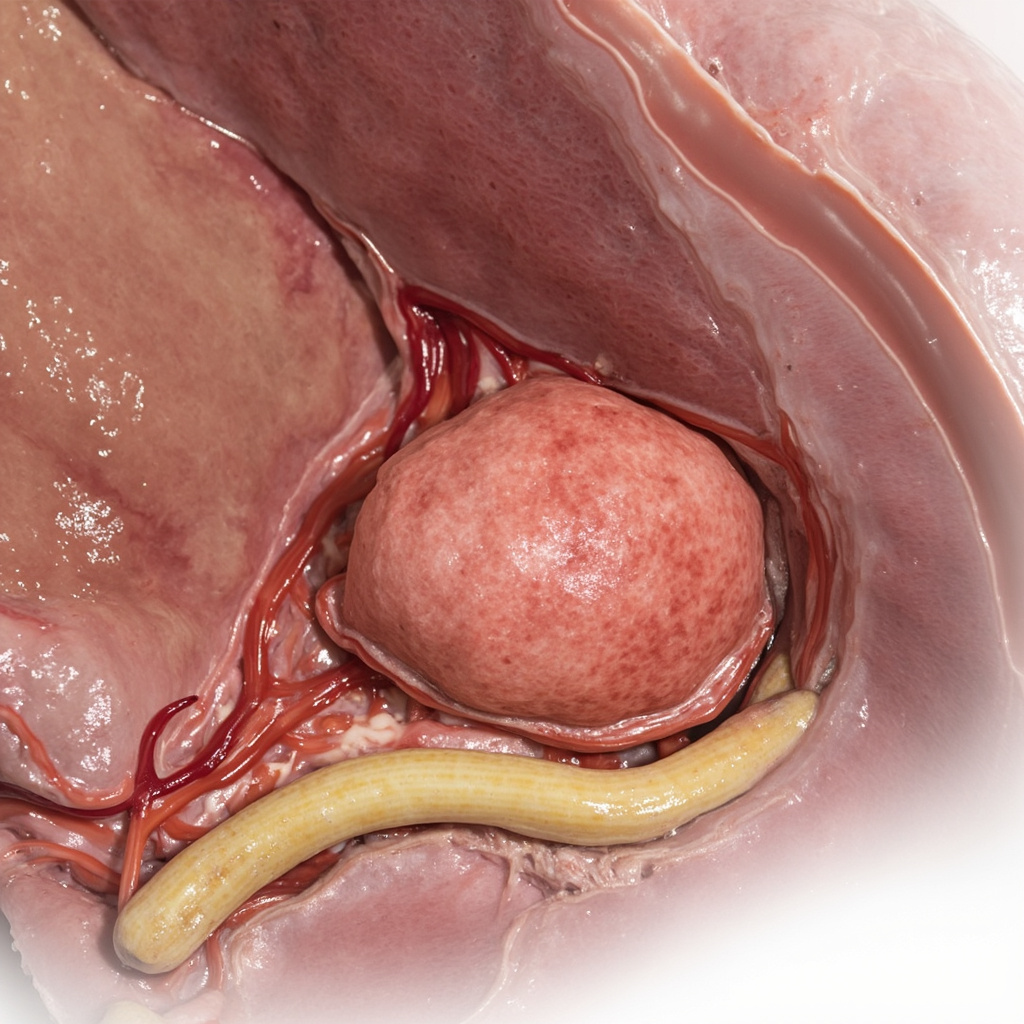
Pancreas Tail: The End Part of the Pancreas
(pancreas.tail)The tail of the pancreas is located in the left upper abdomen, near the spleen. It functions properly by producing insulin and glucagon, hormones that regulate blood sugar levels. If malfunctioning, it can lead to diabetes or other endocrine disorders, resulting in imbalanced blood sugar levels and associated health complications.
The tail of the pancreas can help other priority organs by regulating blood sugar levels through the production of insulin and glucagon, thereby providing the necessary energy balance and preventing complications from emotional conflicts that may affect overall health.
The biological decoding of the pancreas tail is associated with feelings of bitterness, resentment, or a lack of sweetness in life. Possible causes of malfunctioning include emotional conflicts related to these feelings, such as unresolved issues with loved ones or unmet emotional needs. These emotions may manifest physically, leading to issues in the pancreas tail area.
The tail of the pancreas is a crucial section of this gland, positioned near the spleen, and plays a vital role in the endocrine system by producing hormones like insulin and glucagon that are essential for blood sugar regulation. This function is integral to maintaining overall energy balance and metabolic health, as it enables the body to efficiently utilize glucose for energy. The pancreas tail interacts closely with the liver, which stores glycogen, and the adrenal glands, which respond to stress and influence blood sugar levels, illustrating its systemic importance. Emotionally, the pancreas tail is linked to feelings of bitterness and unmet emotional needs, suggesting that emotional well-being can significantly impact its function. Addressing these emotional conflicts can enhance not only pancreatic health but also overall vitality and resilience. A well-functioning pancreas tail supports physical energy, mental clarity, and emotional stability, contributing to a holistic sense of well-being. Understanding these connections allows individuals to cultivate a lifestyle that nurtures both physical and emotional health, promoting a balanced energetic state.
In BioCoherence, find the organ biomarkers and structures in Analyze > Body > Organs maps.
To comment, subscribe to the newsletter and get exclusive BioCoherence offers, please create a free account
Legal page
Website (c) 2026 Coherence Labs; contents (c) their respective authors.
Disclaimer BioCoherence provides both an academic analysis and an energetic and experimental analysis.
The information displayed may or may not be correlated with the physical state of the systems.
Calculations are based on individual measurements and experimental algorithms.
All computed results like energy levels, entropy levels and coherent systems are designed to provide useful information for personal development, not for medical purposes. The usage of all results are under the sole responsibility or the user. In case of doubt, it is important to consult a medical doctor. Please check our EULA before deciding your use of the software.