


Body zones
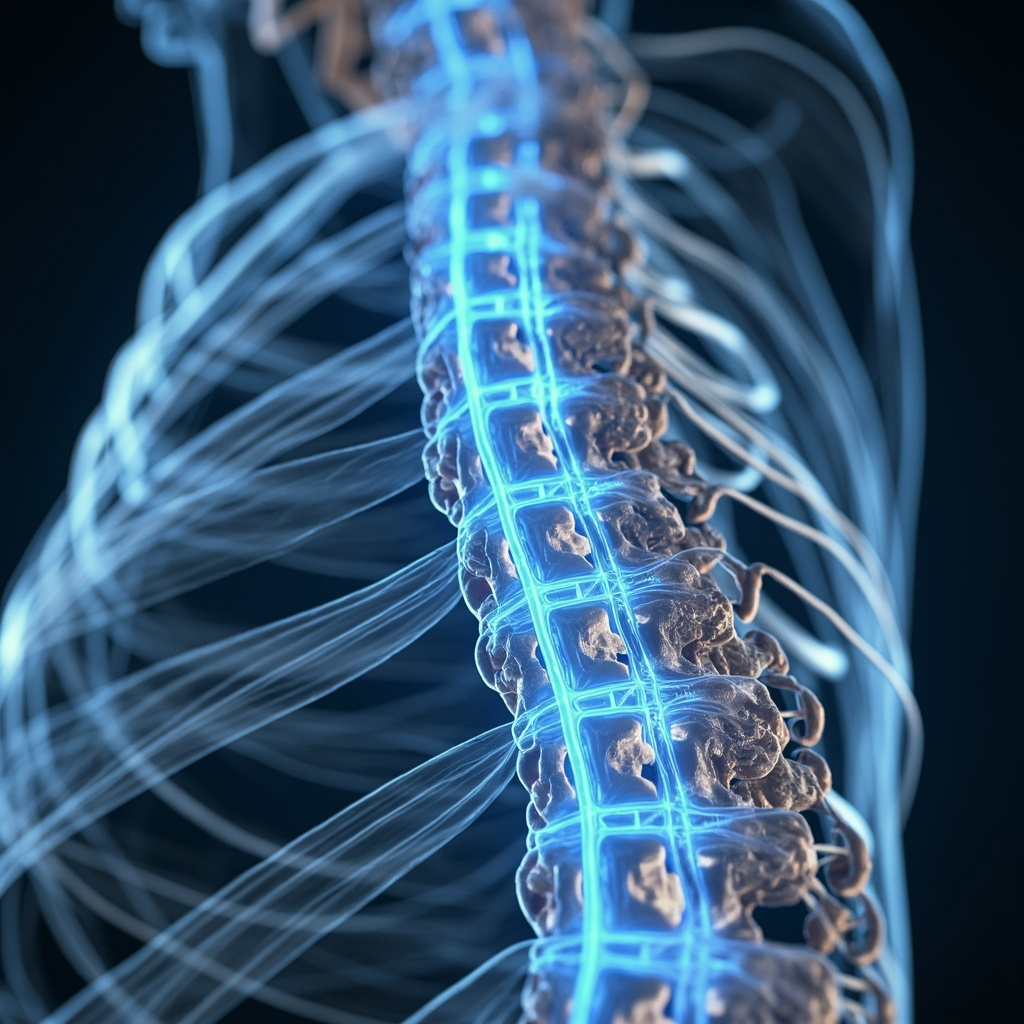
Orthosympathetic: Part of the autonomic nervous system
(orthosympathetic)Orthosympathetic refers to the sympathetic nervous system, part of the autonomic nervous system. It is primarily localized along the spinal cord, extending from the thoracic to the lumbar regions. When functioning properly, it prepares the body for 'fight-or-flight' responses, increasing heart rate, dilating airways, and redirecting blood flow to muscles. Malfunctioning can lead to issues like hypertension, heart problems, and impaired stress responses.
The orthosympathetic system can help other priority organs by optimizing their response to stress, ensuring efficient blood flow and energy distribution, and facilitating communication to promote overall balance and recovery during times of heightened demand or emotional distress.
The orthosympathetic nervous system, linked to the fight-or-flight response, can be associated with emotions and feelings of intense stress, fear, and survival instincts. Malfunctioning may indicate unresolved conflicts or prolonged exposure to stressors that trigger a constant state of alertness. This can lead to physical symptoms such as increased heart rate, hypertension, and anxiety disorders. Addressing and resolving these emotional conflicts may help restore balance to the orthosympathetic nervous system.
The orthosympathetic nervous system, a crucial component of the autonomic nervous system, plays a vital role in regulating the body's response to stress and danger through a series of physiological changes that prepare the body for action. It primarily influences systems such as the cardiovascular and respiratory systems by increasing heart rate, enhancing airflow, and prioritizing blood flow to skeletal muscles, thus supporting energy, vitality, and resilience. This system interacts closely with the endocrine system, particularly through the release of adrenaline and cortisol, hormones that further mobilize energy reserves during stress. An optimally functioning orthosympathetic system promotes not only physical health but also mental clarity and emotional stability by facilitating a balanced response to challenges. However, chronic activation due to unresolved emotional conflicts can result in heightened anxiety and physical ailments like hypertension. Therefore, recognizing and addressing these emotional triggers is essential for restoring balance, enhancing overall well-being, and ensuring a robust response to life's demands. Understanding the orthosympathetic system's intricate connections fosters a holistic approach to health, emphasizing the importance of both physical and emotional harmony.
In BioCoherence, find the organ biomarkers and structures in Analyze > Body > Organs maps.
To comment, subscribe to the newsletter and get exclusive BioCoherence offers, please create a free account
Legal page
Website (c) 2026 Coherence Labs; contents (c) their respective authors.
Disclaimer BioCoherence provides both an academic analysis and an energetic and experimental analysis.
The information displayed may or may not be correlated with the physical state of the systems.
Calculations are based on individual measurements and experimental algorithms.
All computed results like energy levels, entropy levels and coherent systems are designed to provide useful information for personal development, not for medical purposes. The usage of all results are under the sole responsibility or the user. In case of doubt, it is important to consult a medical doctor. Please check our EULA before deciding your use of the software.