


Body zones
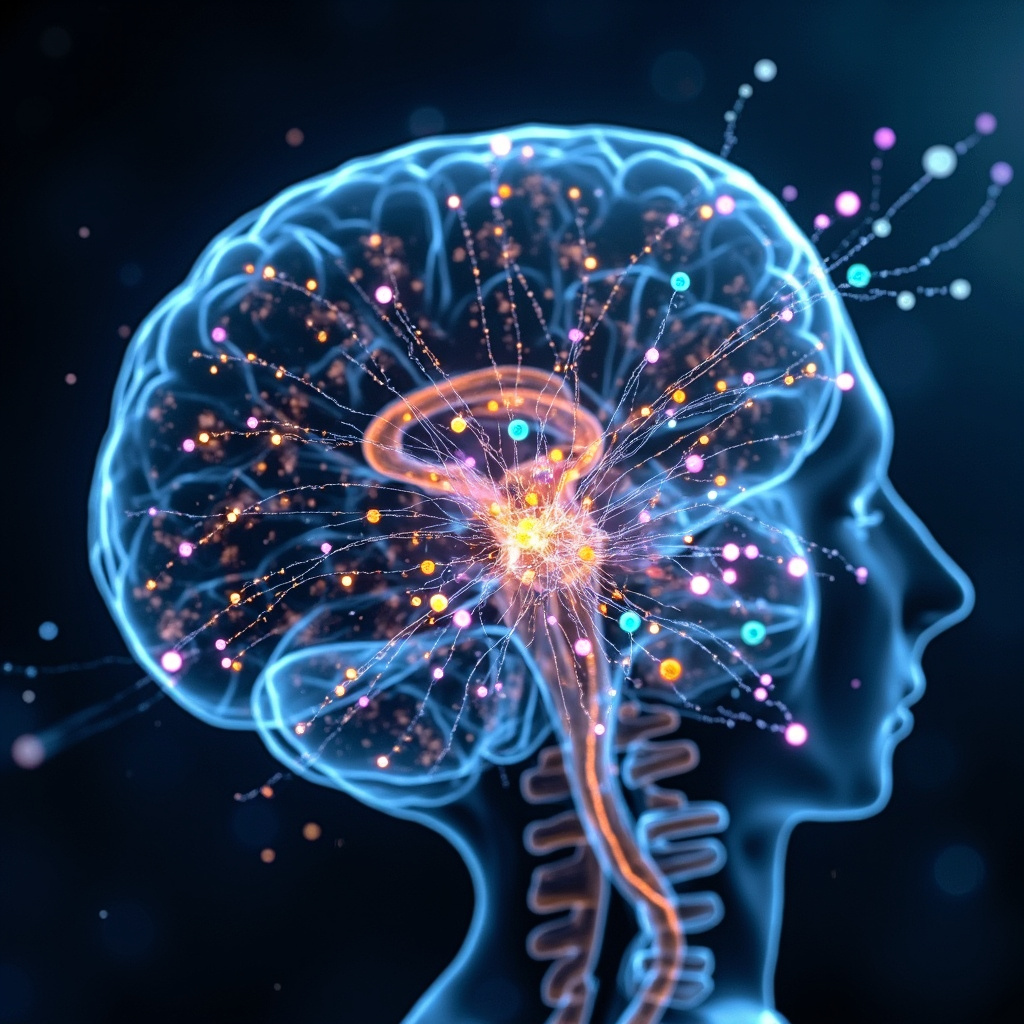
Neurotransmitters: Brain's Chemical Messengers
(neurotransmitters)Neurotransmitters are chemical messengers located in the nervous system, primarily in the brain, spinal cord, and nerve endings. They facilitate communication between neurons by transmitting signals across synapses. When functioning properly, neurotransmitters regulate various physiological and psychological processes, including mood, sleep, appetite, and cognition. Malfunctioning neurotransmitter systems can lead to a range of issues, such as depression, anxiety, Parkinson's disease, and schizophrenia.
Neurotransmitters can help prioritize organ function by regulating mood, sleep, and appetite, thereby enhancing overall physiological balance and mental well-being, which can alleviate emotional stress and improve motivation and pleasure through proper signaling in the nervous system.
Neurotransmitters are chemical messengers in the brain that influence emotions and feelings. Imbalances or malfunctions in neurotransmitters can be linked to specific emotional conflicts or stress. For instance, serotonin imbalances might relate to feelings of sadness or depression, while dopamine imbalances could be connected to issues with motivation and pleasure. Emotional stress or unresolved conflicts might trigger or exacerbate these imbalances, leading to various mental health issues. Addressing the underlying emotional causes can potentially help in restoring balance and improving mental well-being.
Neurotransmitters are essential chemical messengers that facilitate communication within the nervous system, playing a crucial role in regulating both physical and mental health. They influence a wide array of functions, including mood, sleep, appetite, and cognitive processes, thereby contributing to overall energy, vitality, and resilience. For example, serotonin is linked to mood stabilization, while dopamine affects motivation and pleasure. These neurotransmitters interact closely with other organs and systems, including the endocrine system, where they can influence hormone release and metabolic processes. Imbalances in neurotransmitter levels can lead to emotional disturbances, such as anxiety or depression, highlighting their systemic significance. Additionally, neurotransmitters are associated with the body's stress response; chronic stress may disrupt their balance, further impacting mental and physical well-being. By maintaining optimal neurotransmitter function, individuals can enhance their emotional resilience, improve mental clarity, and support a harmonious state of being, ultimately fostering a more balanced and energetic life. Understanding these complex interactions is vital for those seeking to enhance their overall health and BioCoherence.
In BioCoherence, find the organ biomarkers and structures in Analyze > Body > Organs maps.
To comment, subscribe to the newsletter and get exclusive BioCoherence offers, please create a free account
Legal page
Website (c) 2026 Coherence Labs; contents (c) their respective authors.
Disclaimer BioCoherence provides both an academic analysis and an energetic and experimental analysis.
The information displayed may or may not be correlated with the physical state of the systems.
Calculations are based on individual measurements and experimental algorithms.
All computed results like energy levels, entropy levels and coherent systems are designed to provide useful information for personal development, not for medical purposes. The usage of all results are under the sole responsibility or the user. In case of doubt, it is important to consult a medical doctor. Please check our EULA before deciding your use of the software.