


Body zones
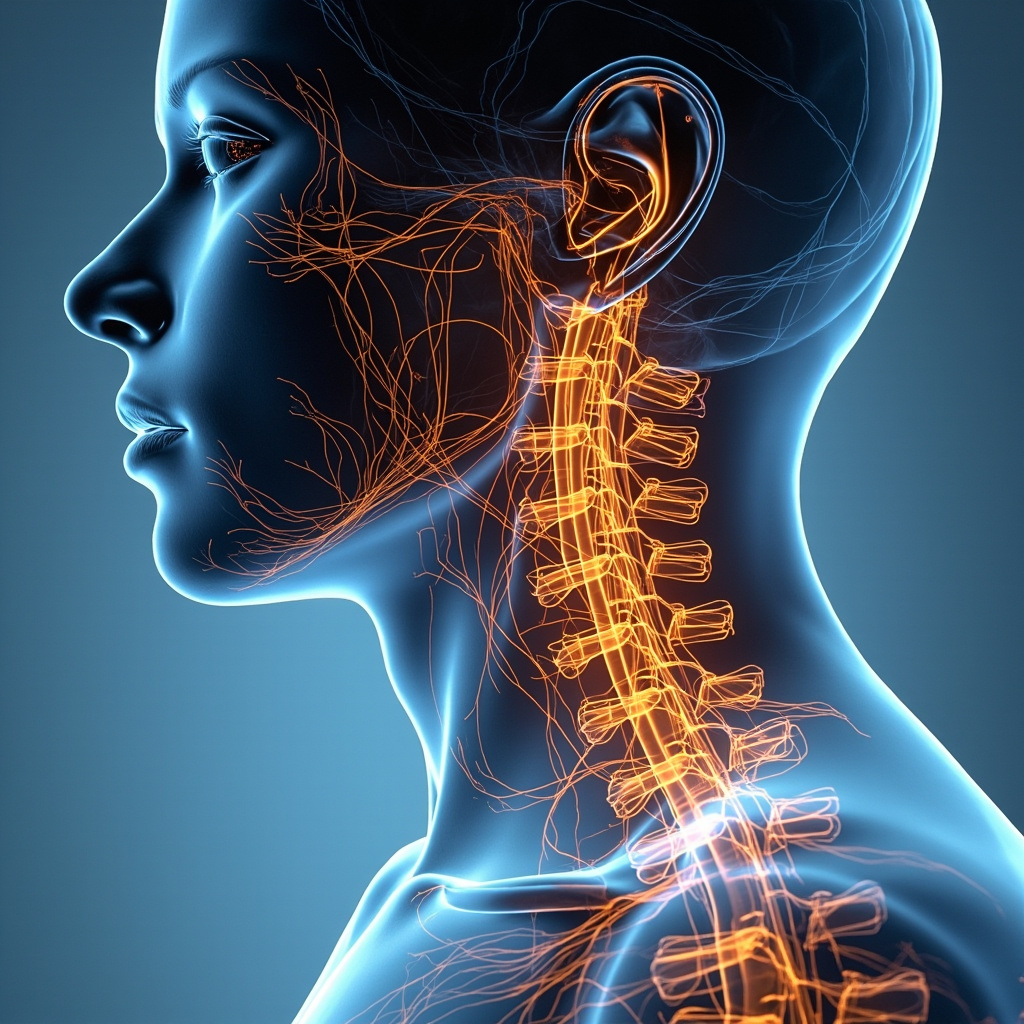
Nerves to Organs: Pathways of Spinal Communication
(nerves.spinal.toorgans)The nerves in the spinal cord are located within the vertebral column, extending from the brainstem down to the lower back. They transmit signals between the brain and the rest of the body, enabling movement, sensation, and autonomic functions. When functioning properly, these nerves facilitate coordinated muscle actions, sensory perception, and involuntary functions like heart rate and digestion. Malfunctioning spinal nerves can lead to issues such as paralysis, loss of sensation, chronic pain, or autonomic dysfunctions such as bladder or bowel control problems.
This resource organ can enhance the functioning of other priority organs by transmitting vital signals that promote energy flow, emotional balance, and physiological coordination, ultimately addressing physical malfunctions linked to emotional conflicts.
The biological decoding of the connection between nerves and organs suggests that emotional and psychological conflicts can manifest as physical malfunctions in corresponding organs. For example, feelings of lack of support or fear of moving forward might affect the spine, leading to back problems. Stress and emotional pressure can impact the heart, potentially leading to cardiovascular issues. Feelings of being overwhelmed or unable to cope might affect the stomach, causing digestive problems. Issues with communication or self-expression may influence the throat, resulting in throat-related ailments. Each organ's malfunctioning is linked to specific emotional conflicts, suggesting that resolving these conflicts could potentially improve physical health.
The spinal nerves are crucial components of the nervous system, serving as communication pathways between the brain and various organs throughout the body. Their primary functions include facilitating motor control, sensory perception, and regulating autonomic processes such as heart rate and digestion. By transmitting vital signals, spinal nerves contribute significantly to overall physical, mental, and energetic health, ensuring that organs operate cohesively. For instance, the spinal nerves interact closely with the heart and digestive system, where emotional states like stress and anxiety can manifest as physical symptoms, such as cardiovascular issues or digestive disturbances. This connection highlights the importance of addressing emotional and psychological conflicts, which can directly influence organ function. Moreover, the health of the spinal nerves is linked to overall energy and vitality, as they play a pivotal role in maintaining resilience against physical ailments. By fostering effective communication within the body, spinal nerves support a balanced emotional landscape and promote holistic well-being, making their optimal functioning essential for achieving a vibrant and resilient life.
In BioCoherence, find the organ biomarkers and structures in Analyze > Body > Organs maps.
To comment, subscribe to the newsletter and get exclusive BioCoherence offers, please create a free account
Legal page
Website (c) 2026 Coherence Labs; contents (c) their respective authors.
Disclaimer BioCoherence provides both an academic analysis and an energetic and experimental analysis.
The information displayed may or may not be correlated with the physical state of the systems.
Calculations are based on individual measurements and experimental algorithms.
All computed results like energy levels, entropy levels and coherent systems are designed to provide useful information for personal development, not for medical purposes. The usage of all results are under the sole responsibility or the user. In case of doubt, it is important to consult a medical doctor. Please check our EULA before deciding your use of the software.