


Body zones
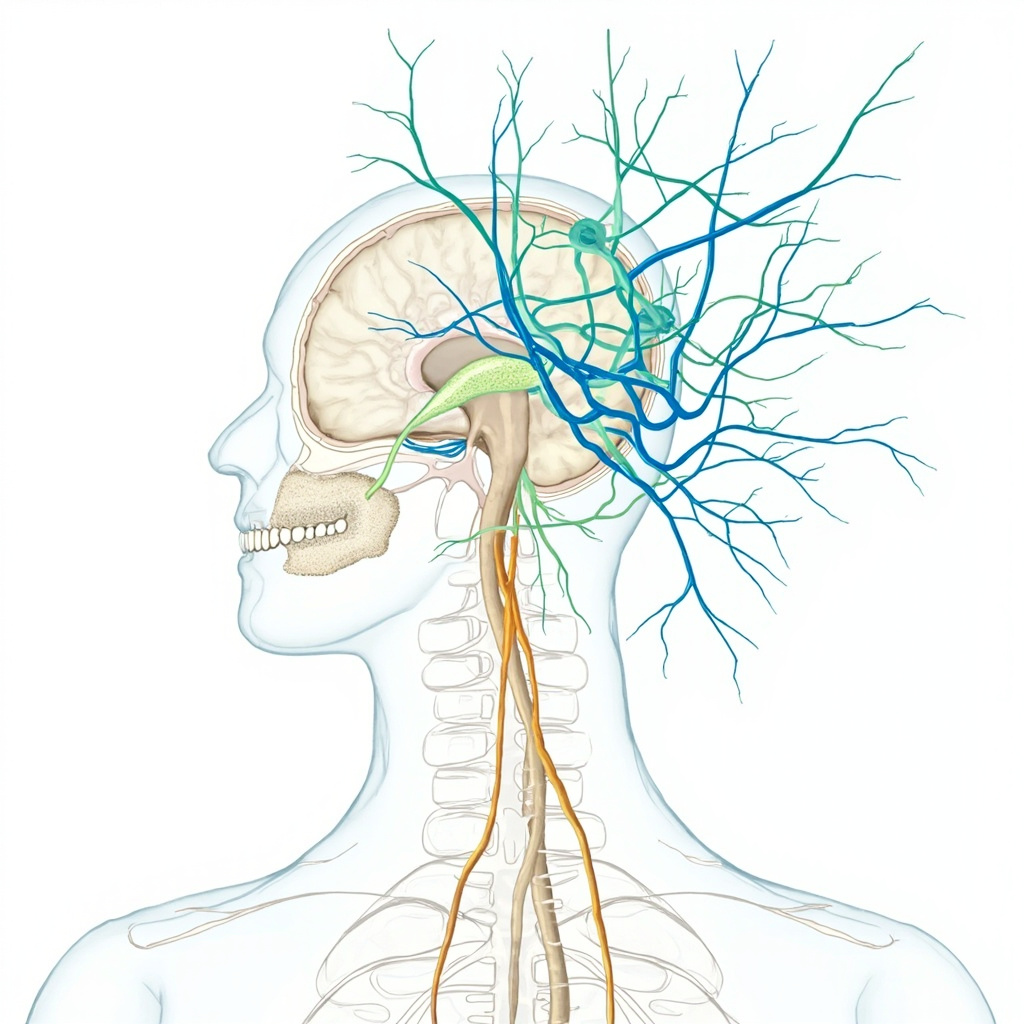
Motor Nerves: Nerve Cells for Muscle Control
(nerves.neurons.motor)Motor neurons are primarily located in the brain, spinal cord, and peripheral nerves. When functioning properly, they transmit signals from the central nervous system to muscles, inducing movement. If malfunctioning, effects can include muscle weakness, paralysis, and motor control disorders like amyotrophic lateral sclerosis (ALS).
Motor neurons can help other organs by facilitating coordinated movement, enabling physical responses to stimuli, and maintaining overall body function, thus promoting energy distribution and emotional balance through action and mobility.
The motor nerves are linked to the feeling of being unable to escape or move away from a situation that is perceived as threatening or oppressive. A malfunction in these nerves can signify a deep-seated sense of powerlessness, frustration, or fear of being trapped. Emotions such as anger, helplessness, and the inability to take action or assert oneself may contribute to issues in the motor neurons.
Motor neurons are specialized nerve cells that play a critical role in controlling voluntary muscle movements, relaying signals from the central nervous system to skeletal muscles. This action is vital for physical health, as it enables movement, coordination, and the execution of daily activities, directly influencing overall vitality and resilience. Motor neurons are interconnected with sensory neurons and interneurons, creating a complex network that facilitates reflexes and coordinated responses to environmental stimuli. This systemic interaction not only supports physical activity but also promotes emotional well-being by enabling individuals to express themselves and engage with their surroundings. When motor neurons are impaired, the resulting muscle weakness or paralysis can lead to feelings of frustration or helplessness, highlighting their emotional significance. Moreover, healthy motor function is linked to increased energy levels and the ability to cope with stress, as movement fosters the release of endorphins, enhancing mood and overall life satisfaction. Understanding the role of motor neurons is essential for appreciating their contribution to both physical vitality and emotional balance, emphasizing the interconnectedness of bodily functions and mental health.
In BioCoherence, find the organ biomarkers and structures in Analyze > Body > Organs maps.
To comment, subscribe to the newsletter and get exclusive BioCoherence offers, please create a free account
Legal page
Website (c) 2026 Coherence Labs; contents (c) their respective authors.
Disclaimer BioCoherence provides both an academic analysis and an energetic and experimental analysis.
The information displayed may or may not be correlated with the physical state of the systems.
Calculations are based on individual measurements and experimental algorithms.
All computed results like energy levels, entropy levels and coherent systems are designed to provide useful information for personal development, not for medical purposes. The usage of all results are under the sole responsibility or the user. In case of doubt, it is important to consult a medical doctor. Please check our EULA before deciding your use of the software.